
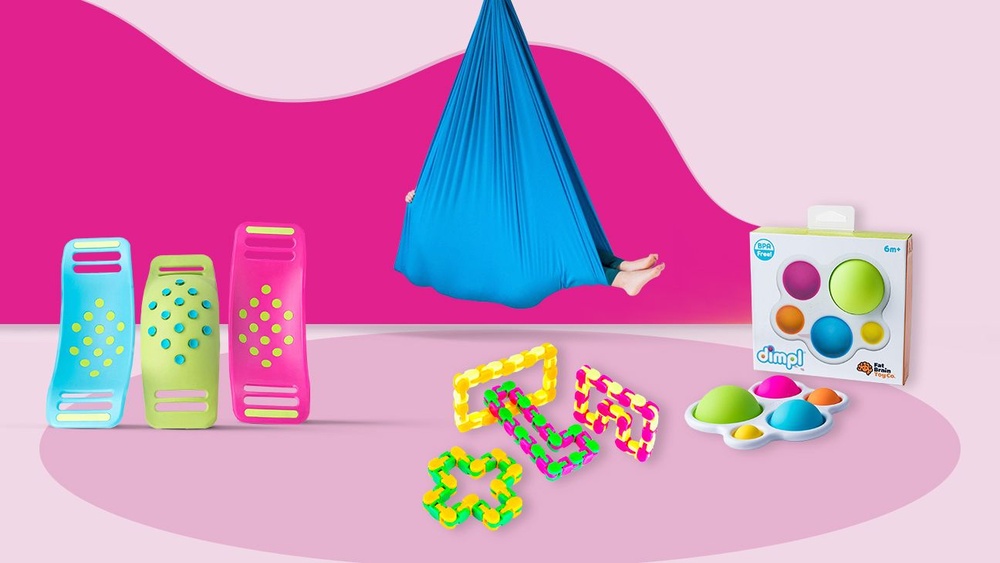
Are you wondering what toys your autistic child will truly enjoy? Finding the right toys can make a big difference in their happiness and development.
You want toys that capture their attention, spark their creativity, and help them feel calm and confident. You’ll discover the types of toys that many autistic kids love and why these toys work so well. Keep reading to find ideas that could brighten your child’s day and support their growth in ways you might not expect.
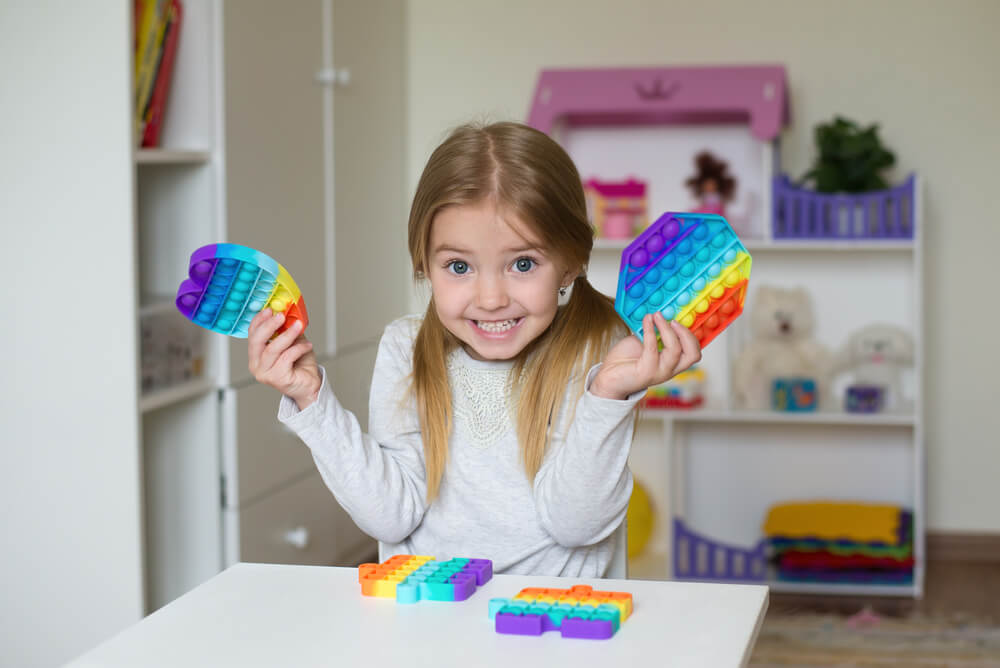
Credit: kdfoundation.org
Sensory Toys For Calm And Focus
Sensory toys help autistic kids feel calm and focused. These toys give gentle sensations that soothe the mind and body. Many kids enjoy the texture, weight, or movement of these toys. They help reduce stress and improve attention. Parents and teachers often use them during learning or quiet time.
Fidget Spinners And Stress Balls
Fidget spinners spin smoothly between fingers. They offer a simple way to keep hands busy. Stress balls provide a soft, squeezable texture. Kids can squeeze them to release tension. Both toys help improve focus by giving a quiet outlet for energy.
Weighted Blankets And Lap Pads
Weighted blankets and lap pads offer gentle pressure. This pressure feels like a comforting hug. It helps reduce anxiety and promote calmness. Many kids use these during rest or study time. The steady weight supports relaxation and better focus.
Textured Sensory Balls And Tactile Brushes
Textured sensory balls come with bumps or ridges. They stimulate the sense of touch gently. Tactile brushes provide soft strokes on the skin. Both help improve sensory awareness and calm the nervous system. Kids find comfort in exploring different textures.
Educational Toys To Boost Learning
Educational toys can help autistic children learn new skills in fun ways. These toys support thinking, focus, and problem-solving. They also encourage creativity and confidence.
Choosing the right educational toy helps children enjoy learning. It suits their interests and strengths. Here are some popular types of toys that boost learning for autistic kids.
Building Blocks And Puzzles
Building blocks and puzzles help develop fine motor skills and hand-eye coordination. They teach children how to recognize shapes and patterns. These toys also improve patience and focus. Children enjoy creating and solving problems with blocks and puzzles.
Interactive Storybooks And Apps
Interactive storybooks and apps combine learning with technology. They engage children with sounds, pictures, and simple questions. These tools improve language skills and understanding. Children can listen, read, and interact at their own pace.
Shape Sorters And Counting Games
Shape sorters and counting games support early math skills. They help children learn shapes, numbers, and colors. These toys encourage sorting, matching, and counting. Playing with them builds logical thinking and concentration.
Creative Play Options
Creative play helps autistic children explore their imagination. It builds skills and offers fun ways to express feelings. Toys that encourage creativity can support learning and growth.
These play options help children focus and enjoy their time. They also improve hand-eye coordination and social skills. The right toys make creative play easy and inviting.
Art Supplies For Expression
Art materials let children show emotions without words. Crayons, markers, and paints offer many choices. Large paper and textured tools add sensory input. Art helps develop fine motor skills and patience. Children often feel calm while creating art.
Musical Instruments For Engagement
Simple instruments like drums or xylophones attract attention. Sounds stimulate hearing and encourage movement. Playing music can improve focus and mood. Instruments with different textures add touch sensations. Music play invites joyful interaction and learning.
Pretend Play Sets
Role-play sets inspire imagination and social skills. Toy kitchens, doctor kits, and dress-up clothes work well. These toys encourage communication and problem-solving. Pretend play supports understanding of daily routines. Children enjoy acting out stories and roles.
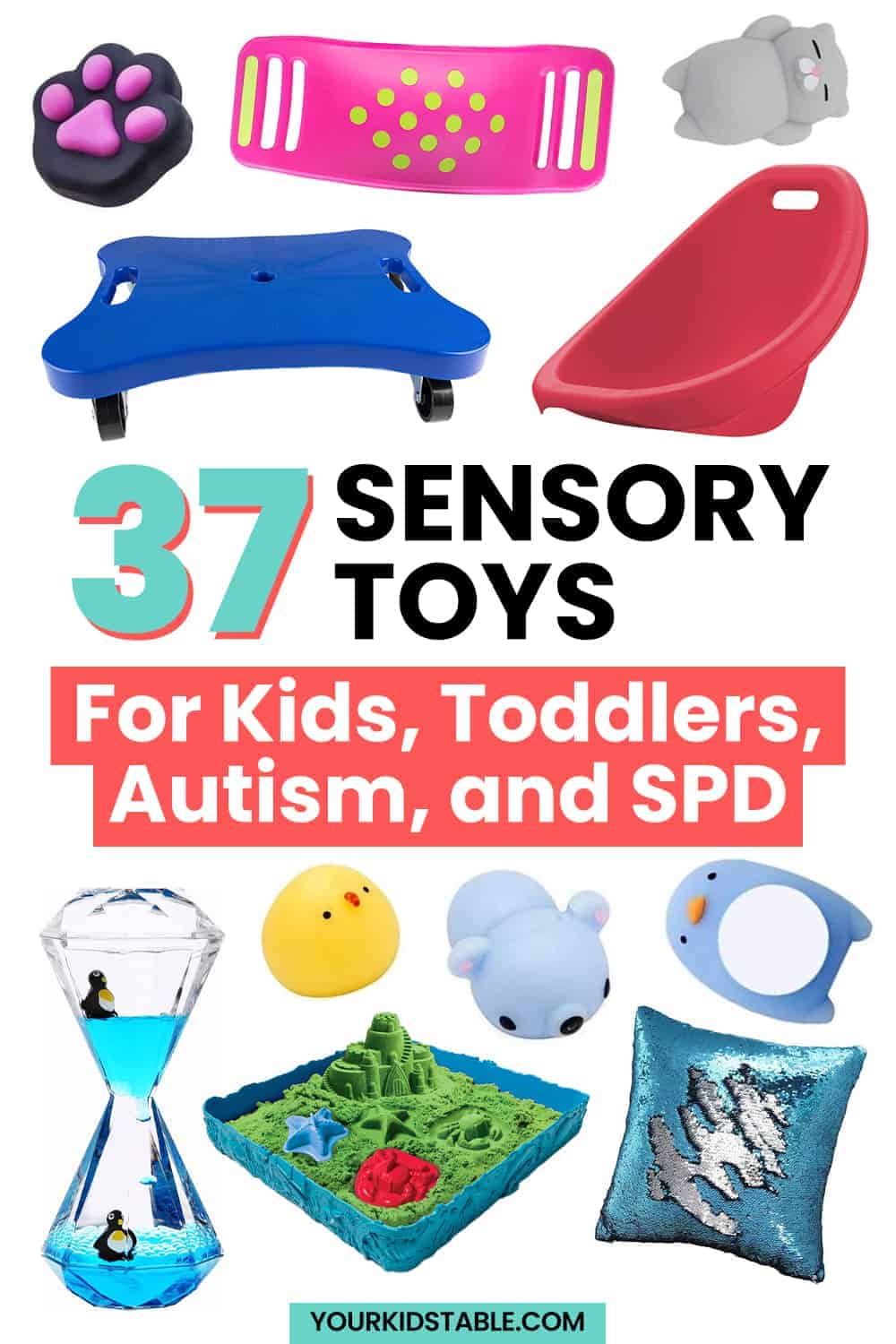
Credit: yourkidstable.com
Outdoor And Physical Activity Toys
Outdoor and physical activity toys help autistic kids enjoy playtime and exercise. These toys improve balance, coordination, and motor skills. They also support sensory needs and encourage social interaction. Choosing the right toys can make outdoor time fun and calming.
Balance Boards And Swings
Balance boards help kids develop stability and focus. They challenge muscles and improve body control. Swings offer gentle movement, which can soothe sensory sensitivities. Swinging also supports spatial awareness and balance. Both toys invite active play and sensory input.
Trampolines And Jump Ropes
Trampolines provide a safe way to jump and release energy. The repetitive motion helps with attention and mood. Jump ropes encourage coordination and timing skills. These toys promote cardiovascular health and physical fitness. They bring joy and build strength through movement.
Ride-on Toys
Ride-on toys boost muscle strength and balance. They offer a sense of independence and control. Kids enjoy exploring their environment while riding. These toys support gross motor skills and spatial awareness. Ride-ons make outdoor play exciting and active.
Choosing Toys Based On Sensory Preferences
Choosing toys based on sensory preferences helps meet autistic kids’ unique needs. Toys that match their senses create comfort and joy. These toys can support learning and play. Understanding sensory likes and dislikes is key to picking the best toys.
Identifying Tactile Sensitivities
Tactile sensitivity affects how kids feel textures. Some may dislike rough or sticky materials. Others enjoy soft, smooth, or squishy toys. Toys with varied textures can help find what feels good. Sensory balls, plush toys, or textured blocks often work well.
Considering Visual And Auditory Needs
Bright colors and simple patterns attract some children. Others may prefer calm, muted tones. Sounds can also be soothing or upsetting. Toys with gentle music or no sound suit sensitive ears. Flashy lights or loud noises might cause stress for some.
Adapting To Individual Interests
Every child has unique likes and hobbies. Some enjoy building blocks, others like puzzles or cars. Toys related to their interests keep them engaged longer. Watching what they choose helps guide good toy choices. Personal interests matter as much as sensory needs.

Credit: www.amazon.com
Frequently Asked Questions
What Types Of Toys Do Autistic Kids Prefer?
Autistic kids often prefer sensory toys like fidget spinners, textured balls, and weighted blankets. These toys help with focus and calming. Interactive and cause-effect toys also engage their curiosity and support learning.
How Do Sensory Toys Benefit Autistic Children?
Sensory toys stimulate the senses and help regulate emotions. They improve concentration and reduce anxiety. These toys provide calming input, which supports better behavior and social interaction.
Are Educational Toys Suitable For Autistic Kids?
Yes, educational toys that encourage problem-solving and fine motor skills work well. Puzzles, building blocks, and matching games enhance cognitive development and communication skills in autistic children.
Can Autistic Kids Enjoy Outdoor Toys?
Outdoor toys like swings, trampolines, and sandboxes offer sensory input and physical activity. These toys support motor skills and provide a fun way to explore and socialize safely.
Conclusion
Choosing the right toys helps autistic kids learn and have fun. Toys that focus on senses and simple play often work best. Kids enjoy toys that let them explore at their own pace. Parents and caregivers should watch which toys bring joy and calm.
Every child is different, so try different types of toys. The right toy can make playtime a happy and peaceful time. Keep observing and adjusting to find what suits each child best. Play helps children grow, connect, and express themselves naturally.
