
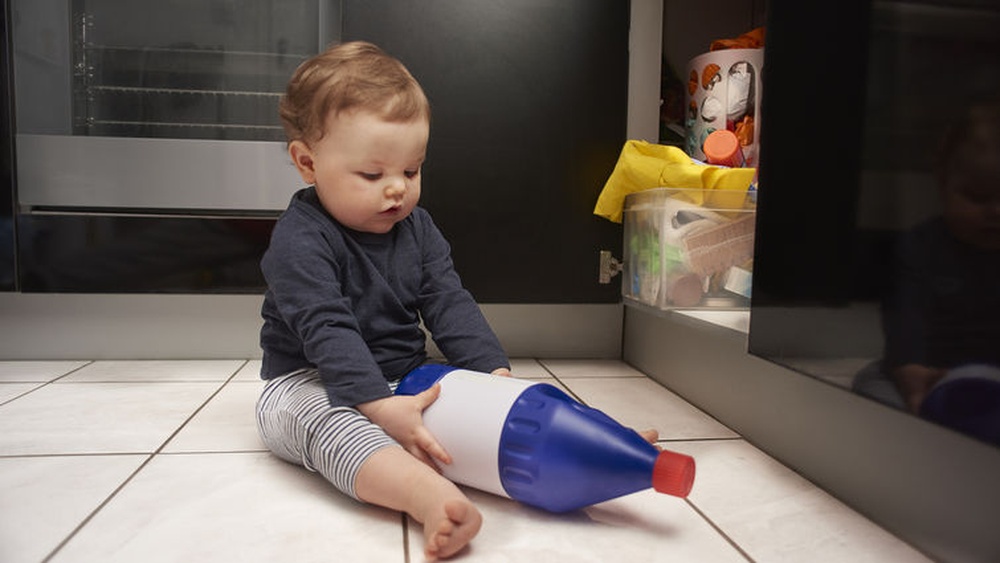
Have you ever wondered what chemicals hide inside the toys your children play with every day? These small, colorful items can sometimes carry hidden risks that you might not expect.
Understanding what chemicals are commonly found in toys is important for protecting your family’s health and making smarter choices. You’ll discover the surprising substances that could be lurking inside those toys and what you can do to keep your loved ones safe.
Keep reading—your child’s safety depends on it.
Toxic Chemicals In Toys
Toys are a big part of childhood, but some contain harmful chemicals. These chemicals can cause health problems for children. It is important to know which toxic chemicals are common in toys. This helps parents make safer choices.
Many toys have chemicals that can affect children’s health. Some chemicals can cause allergies, hormone problems, or even learning issues. Understanding these risks is the first step in protecting kids.
Phthalates And Their Risks
Phthalates make plastic toys soft and bendy. These chemicals can come off and enter a child’s body. Phthalates may harm the hormone system. They can affect growth and brain development in children.
Lead Contamination
Lead is a toxic metal found in some old or cheap toys. It can cause brain damage and learning disabilities in children. Even small amounts of lead are dangerous. Toys with lead should be avoided completely.
Bpa In Plastic Toys
BPA is used to make hard plastic toys. It can leak out and disrupt hormone functions. BPA exposure is linked to behavioral problems in kids. Choosing BPA-free toys is safer for children.
Formaldehyde Exposure
Formaldehyde is a chemical in some wooden and plastic toys. It can cause skin irritation and breathing problems. Long exposure may lead to serious health issues. Always check for toys with low or no formaldehyde.

Credit: www.compoundchem.com
Sources Of Harmful Chemicals
Many toys contain harmful chemicals that can affect children’s health. These chemicals often come from the materials and substances used in making toys. Understanding the sources helps parents choose safer toys for their kids. Below are common origins of these harmful chemicals in toys.
Cheap Manufacturing Materials
Low-cost materials often contain toxic substances. Some manufacturers use lead, cadmium, or other heavy metals. These metals can cause serious health problems in children. Cheap plastic and metal parts are common sources. They can release harmful chemicals during play or when chewed.
Paints And Coatings
Many toys have painted surfaces or coatings for color and shine. Some paints include lead or other toxic pigments. These paints can chip or peel, exposing children to dangerous chemicals. Coatings may also contain solvents that release harmful fumes. Toys with bright or shiny finishes need extra care.
Plasticizers And Additives
Plasticizers make toys soft and flexible. Phthalates are common plasticizers found in many toys. These chemicals can disrupt hormones and affect development. Other additives include flame retardants and stabilizers. Some of these substances may cause allergies or other health issues. Always check labels for safe chemical use.
Health Effects On Children
Children often put toys in their mouths. This habit increases their exposure to harmful chemicals. Many toys contain substances that can affect health. These chemicals can cause different health problems. Understanding these effects helps parents keep kids safe.
Developmental Issues
Certain chemicals in toys can harm a child’s brain. Lead and phthalates are common offenders. These substances may affect learning and behavior. Young brains are more sensitive to toxins. Exposure can slow development and cause attention problems.
Allergic Reactions
Chemicals like formaldehyde and certain dyes can trigger allergies. Skin rashes, itching, or breathing troubles may occur. Children with sensitive skin are at higher risk. Allergic reactions can make playtime uncomfortable or unsafe.
Long-term Toxicity
Some chemicals build up in the body over time. BPA and heavy metals can cause lasting harm. These toxins may affect organs like the liver or kidneys. Long exposure can lead to serious health issues later in life.
Regulations And Safety Standards
Toys contain many chemicals. Some can be harmful to children. Regulations and safety standards help control these chemicals. They set rules to make toys safer. These rules vary by country and region. Understanding these rules helps parents choose safer toys for their kids.
International Safety Guidelines
Many countries follow international safety guidelines. The most common one is the ISO 8124 standard. It limits harmful chemicals like lead and phthalates in toys. The European Union uses the EN 71 standard. It covers chemical safety and mechanical hazards. The United States follows the CPSIA law. It restricts toxic substances and requires testing. These guidelines protect children worldwide from dangerous chemicals.
Testing And Certification Processes
Toys must pass strict testing before sale. Laboratories check for banned chemicals and toxins. Tests include chemical analysis and physical safety checks. Certification ensures toys meet safety standards. Labels show that toys are tested and safe. Retailers often require certification to sell toys. This process reduces risks of chemical exposure in children.
Limitations Of Current Regulations
Some harmful chemicals are not fully regulated yet. Small parts or new materials may escape testing. Rules may differ between countries, causing confusion. Some toys from unregulated markets may not follow safety laws. Regulations also take time to update with new findings. Parents should stay informed and check toy safety before buying.
Identifying Safer Toys
Choosing safer toys protects children from harmful chemicals often found in cheap products. Parents and caregivers must know how to spot these safer options. Understanding labels, materials, and practical tips can make toy buying easier and safer.
Labels And Certifications To Look For
Labels show if toys meet safety rules. Look for certifications like ASTM, CPSIA, or EN71. These marks mean toys passed tests for harmful chemicals. Organic and non-toxic labels add extra safety. Always check the packaging carefully before buying.
Choosing Non-toxic Materials
Safe toys use materials like natural wood, organic cotton, or BPA-free plastic. Avoid toys with vinyl, PVC, or painted finishes that may contain lead. Simple materials reduce chemical risks. Soft fabrics and untreated wood are good choices for young children.
Tips For Parents And Caregivers
Buy toys from trusted brands and stores. Wash new toys before use to remove dust and residues. Avoid toys with strong smells or peeling paint. Keep small parts away from toddlers to prevent choking. Regularly check toys for damage or wear to keep children safe.

Credit: www.whole-dog-journal.com
Reducing Exposure At Home
Reducing chemical exposure from toys at home is important for your child’s health. Chemicals like phthalates, lead, and BPA can cause health problems over time. Taking simple steps helps lower risks and keeps playtime safer. Small changes in cleaning, storage, and toy choices make a big difference.
Cleaning And Maintenance Practices
Clean toys regularly to remove dirt and chemicals. Use mild soap and warm water for washing. Avoid harsh cleaners that may add harmful chemicals. Wipe plastic and rubber toys often to prevent buildup. Check toys for damage and throw away broken ones. Damaged toys may release more chemicals.
Safe Storage And Usage
Store toys in a dry, cool place away from sunlight. Heat and sunlight can release chemicals from plastic. Keep toys off the floor to avoid dust and dirt. Teach children to wash hands after playing with toys. Limit chewing or sucking on toys, especially for babies. Use toys as intended and avoid overuse.
Alternatives To Chemical-laden Toys
Choose toys made from natural materials like wood or cloth. Look for labels that say “BPA-free” or “non-toxic.” Buy toys from trusted brands with safety certifications. Secondhand toys can be safe if cleaned well. Avoid cheap, imported toys without safety information. Simple, natural toys often last longer and are safer.

Credit: hej-support.org
Frequently Asked Questions
What Harmful Chemicals Are Found In Toys?
Common harmful chemicals in toys include phthalates, lead, BPA, and formaldehyde. These can cause health risks, especially in children.
Why Are Phthalates Used In Toys?
Phthalates soften plastics, making toys flexible and durable. However, they can disrupt hormones and affect child development.
How Can Lead Contaminate Toys?
Lead can be present in paint or plastic used in toys. It is toxic and can cause serious health problems if ingested.
Are Bpa Chemicals Dangerous In Toys?
BPA is used in hard plastics and resins. It can leach out and may affect brain and hormone functions in children.
Conclusion
Toys often contain chemicals like phthalates, lead, and BPA. These substances can affect children’s health if not checked. Parents should read labels and choose safer options. Many countries set rules to limit harmful chemicals in toys. Staying informed helps protect kids during playtime.
Safe toys bring joy without worry. Always prioritize health over low cost or bright colors. Small actions can make a big difference. Keep children’s playtime fun and safe every day.
