
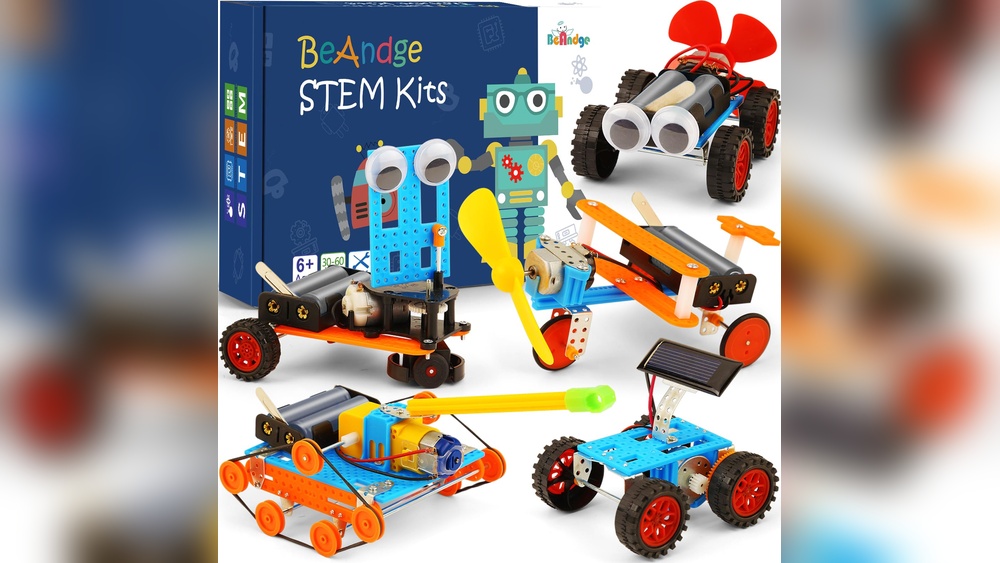
Are you looking for a fun and educational way to spark your child’s curiosity? Stem toys for kids might be exactly what you need.
These toys aren’t just about play—they help your child learn important skills in science, technology, engineering, and math without feeling like work. Imagine your child building, experimenting, and discovering new things with toys designed to challenge their mind and boost creativity.
Keep reading to find out how stem toys can turn playtime into powerful learning moments for your child.
Credit: kdfoundation.org
What Stem Toys Are
STEM toys are designed to teach children about science, technology, engineering, and math. These toys help kids learn important skills while having fun. They encourage problem-solving and creativity. Kids can explore how things work by building, experimenting, and playing. STEM toys make learning active and hands-on. They prepare children for future studies and careers in STEM fields.
Key Features
STEM toys focus on learning through play. They often involve building or assembling parts. Many include experiments or challenges to solve. These toys develop critical thinking and logic. They encourage kids to test ideas and try again. STEM toys also promote teamwork and communication. Most are designed for different age groups. Safety and educational value are top priorities.
Types Of Stem Toys
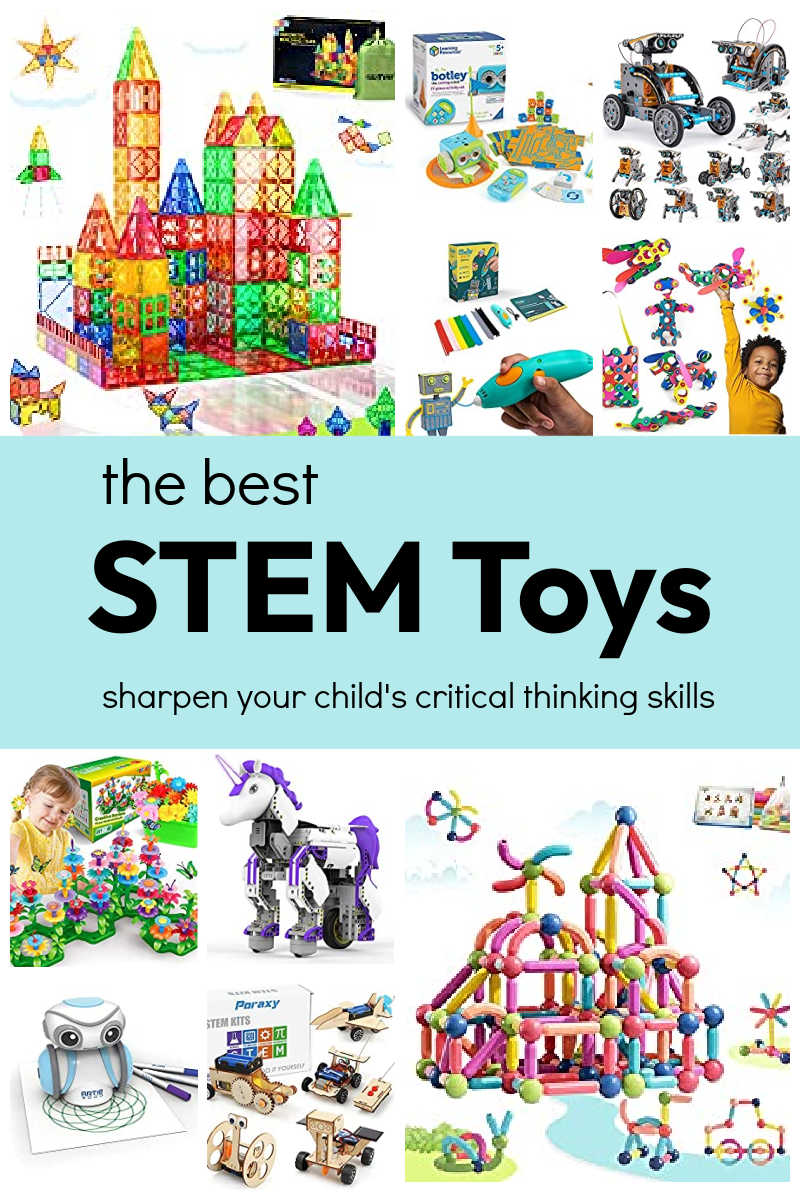
There are many types of STEM toys for kids. Building sets let children create structures or machines. Coding toys teach basic programming skills. Science kits include experiments with chemistry or physics. Math games help practice numbers and shapes. Robotics kits combine building and coding. Puzzle toys improve spatial awareness and reasoning. Each type supports different learning areas and interests.
Benefits For Kids
STEM toys offer many benefits for children. They help kids grow in many ways. These toys make learning fun and active. Kids develop skills that will help them in school and life. STEM toys encourage curiosity and hands-on play.
Enhancing Creativity
STEM toys inspire kids to imagine new ideas. They encourage building and designing things. Children learn to think outside the box. Creativity grows as kids explore different solutions. These toys make art and science connect.
Improving Problem Solving
Kids learn to face challenges with STEM toys. They try different ways to fix problems. This helps them practice patience and focus. Problem solving skills improve with each attempt. Toys guide kids to think step by step.
Building Critical Thinking
STEM toys help kids analyze and decide. They compare options and learn to reason. Critical thinking grows as kids ask questions. These toys teach children to make smart choices. Thinking deeply becomes a natural habit.
How Stem Toys Support Learning
STEM toys help kids learn by making education fun and active. These toys mix science, technology, engineering, and math in simple ways. Kids explore ideas by building and experimenting. This hands-on learning makes concepts easier to understand and remember.
Hands-on Exploration
Kids learn best by doing. STEM toys let children touch, build, and test ideas. This active play helps them see how things work. It also improves problem-solving skills. When children explore with their hands, learning becomes real and exciting.
Encouraging Curiosity
STEM toys inspire kids to ask questions. They spark interest in how things fit and move. This curiosity drives kids to discover new facts. It helps develop a love for learning that lasts a lifetime. Curiosity also boosts creativity and critical thinking.
Integrating Science And Math
STEM toys connect science and math in everyday play. Children count, measure, and observe naturally. They learn basic math through building and experimenting. This integration makes abstract ideas easier to grasp. Kids gain confidence in these subjects through fun activities.

Credit: www.goodhousekeeping.com
Age-appropriate Stem Toys
Age-appropriate STEM toys help children learn science, technology, engineering, and math. These toys match each child’s skills and interests. Choosing the right toy supports learning and keeps kids engaged. Different age groups need different types of STEM toys. This section explains toys suitable for toddlers, preschoolers, and older kids.
Toys For Toddlers
Toddlers explore the world through touch and play. Simple STEM toys with bright colors and large pieces work best. Toys like stacking blocks, shape sorters, and building sets encourage problem-solving. These toys improve hand-eye coordination and basic motor skills. Toddlers learn cause and effect by playing with these toys.
Options For Preschoolers
Preschoolers enjoy more complex toys that challenge their thinking. Toys with gears, simple machines, or magnetic building sets work well. These toys teach basic engineering and physics concepts. Preschoolers also start exploring early coding toys with simple commands. These options help develop creativity and logical thinking skills.
Gifts For Older Kids
Older kids benefit from advanced STEM toys that require planning and skill. Robotics kits, science experiment sets, and coding games are popular choices. These toys encourage problem-solving and critical thinking. Older kids can build and program models, deepening their understanding. These gifts prepare children for future learning in STEM fields.
Choosing The Right Stem Toy
Choosing the right STEM toy is important for a child’s growth and fun. The right toy sparks curiosity and builds skills. It must fit the child’s age, interests, and safety needs. Parents and teachers should think carefully before buying. This section helps find the best STEM toy for kids.
Safety Considerations
Safety is the top priority in any toy choice. Check for small parts that can cause choking. Look for non-toxic materials and sturdy designs. Toys should meet safety standards and certifications. Avoid sharp edges or loose pieces. Always supervise young children while playing with STEM toys.
Skill Level Matching
Match the toy to the child’s skill level. Simple puzzles suit beginners and younger kids. Advanced kits challenge older children or those with experience. Toys that are too hard may cause frustration. Too easy toys might bore the child quickly. Choose toys that encourage learning step by step.
Material Quality
Good material means the toy lasts longer. Plastics should be BPA-free and durable. Wood toys are strong and eco-friendly. Check for smooth finishes to avoid splinters. Quality materials also improve the play experience. They keep the child safe and engaged for hours.
Popular Stem Toy Brands
Popular STEM toy brands create products that help children learn science, technology, engineering, and math. These brands focus on fun and education. They design toys that spark curiosity and build skills. Parents and teachers trust these brands for quality and learning value.
Top Educational Brands
Brands like LEGO Education and National Geographic offer toys that teach while kids play. LEGO Education sets build engineering and problem-solving skills. National Geographic kits explore nature and science with hands-on experiments. These brands make learning clear and exciting. Kids enjoy building, discovering, and experimenting with their products.
Innovative Toy Makers
Companies such as littleBits and Osmo bring new ideas to STEM toys. littleBits uses electronic blocks that snap together to create inventions. Osmo combines physical play with digital learning on tablets. These toys encourage creativity and critical thinking. They help children understand technology in a fun way.
Tips For Maximizing Playtime
Maximizing playtime with STEM toys helps kids learn and have fun. Parents and caregivers can guide play to boost creativity and skills. Simple steps make playtime more engaging and educational.
Creating Learning Opportunities
Turn playtime into a chance to explore new ideas. Ask questions about the toy and what it does. Encourage kids to think about how things work. Use challenges to inspire problem-solving. Praise efforts, not just results.
Encouraging Team Play
Invite siblings or friends to play together. Team play builds social skills and cooperation. Kids share ideas and solve problems as a group. Set tasks that need teamwork to complete. Celebrate group success to motivate sharing.
Balancing Screen Time
Limit time spent on screens during play. Combine STEM toys with outdoor or hands-on activities. Create a schedule that mixes screen and non-screen play. Use screen time to support learning, not replace play. Encourage breaks to keep kids active and fresh.

Credit: picobricks.com
Frequently Asked Questions
What Are Stem Toys For Kids?
STEM toys are educational playthings that teach science, technology, engineering, and math concepts. They encourage hands-on learning and problem-solving skills in children.
How Do Stem Toys Benefit Children?
STEM toys develop critical thinking, creativity, and teamwork. They help kids understand complex concepts through fun, interactive activities, fostering lifelong learning habits.
Which Age Group Is Best For Stem Toys?
STEM toys are available for all ages, from toddlers to teens. Choose toys that match your child’s developmental stage for optimal learning and engagement.
Are Stem Toys Suitable For Girls And Boys?
Yes, STEM toys are designed for all children. They promote gender equality by encouraging both girls and boys to explore science and technology fields.
Conclusion
STEM toys help kids learn science, technology, engineering, and math. They make learning fun and hands-on. Kids build skills like problem-solving and creativity. These toys encourage curiosity and explore new ideas. Parents and teachers find them useful for early education.
Choosing the right STEM toy depends on the child’s age and interests. Playing with STEM toys supports growth and confidence. They prepare kids for future challenges in simple ways. STEM toys are a smart choice for learning through play.
