
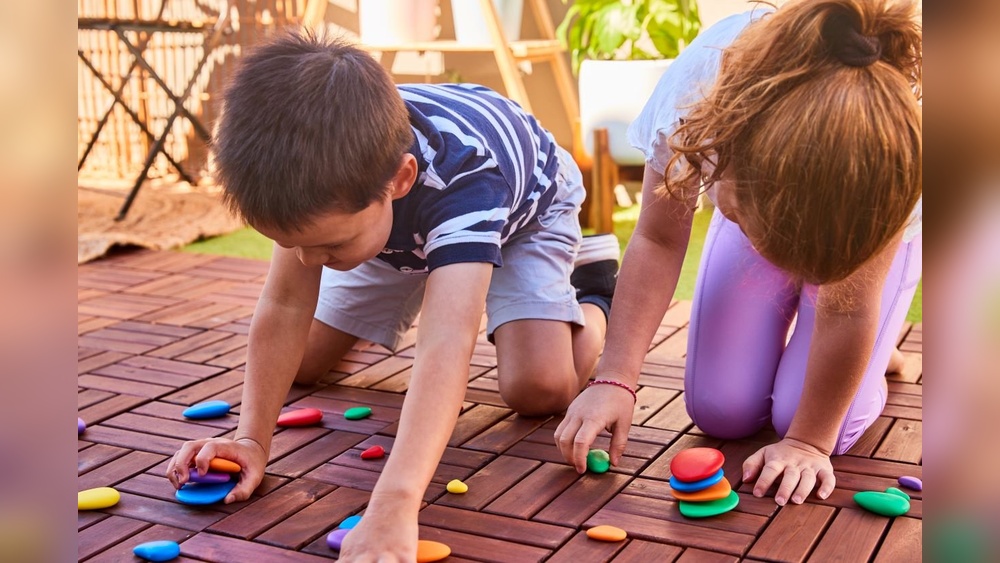
Have you ever wondered when your child will stop playing with toys? It’s a question many parents ask but few get a clear answer to.
Toys aren’t just fun—they help kids learn, explore, and grow. But as your child gets older, their interests change, and so does their playtime. Knowing when and why this shift happens can help you support your child’s development and make smarter choices about the toys you bring into your home.
Keep reading to discover the surprising truth about when kids typically stop playing with toys—and what it means for you and your family.

Credit: www.todaysparent.com
When Playtime Usually Ends
Playtime is a big part of childhood. It helps kids learn, imagine, and have fun. Many parents wonder when children stop playing with toys. The answer is not the same for every child. Play may slow down as kids grow older. But it does not stop all at once.
Understanding when play usually ends helps parents support their child’s growth. Play changes from simple toys to more complex activities. Let’s explore the typical age ranges and factors that affect how long kids play with toys.
Typical Age Ranges
Most kids enjoy toys the most between ages 2 and 8. Toddlers play with simple toys like blocks and dolls. Preschoolers start using toys that help them learn letters and numbers. By age 6 to 8, many children prefer games and puzzles.
After age 8, some kids still love toys. Others shift to sports, video games, or hobbies. Playtime does not end suddenly. It changes form as children grow into teens.
Factors Influencing Play Duration
Several things affect how long kids play with toys. Personality plays a big role. Some kids enjoy pretend play longer. Others like active or social play more.
Family habits matter too. Families that encourage play often have kids who play more. School and social life can reduce toy playtime. Technology also changes how kids spend free time.
Access to toys and interest in new hobbies influence playtime length. Each child’s play journey is unique. These factors shape when playtime usually ends.
Types Of Toys And Age Groups
Toys change as children grow. Each age group enjoys different types of toys. These toys help kids learn and have fun. Understanding which toys fit each stage helps parents and caregivers support development. Toys also keep children interested and engaged at each age.
Toddlers And Sensory Toys
Toddlers explore the world with their senses. Sensory toys help them touch, see, and hear new things. Toys like textured balls, musical instruments, and colorful blocks are popular. These toys improve motor skills and hand-eye coordination. Toddlers also enjoy toys that make sounds and light up.
School-age Kids And Imaginative Play
School-age kids love to create stories and act out roles. Imaginative play toys include dolls, action figures, and playsets. These toys encourage creativity and social skills. Building sets and dress-up costumes are also favorites. Imaginative play helps children understand the world and express feelings.
Tweens And Tech-based Toys
Tweens prefer toys with technology and challenges. Gadgets like drones, coding kits, and interactive robots attract them. These toys develop problem-solving and tech skills. Video games also remain popular for fun and social interaction. Tweens enjoy toys that let them explore new interests and abilities.
Why Kids Stop Playing With Toys
Kids stop playing with toys for many reasons. It is a natural part of growing up. Their minds and bodies change. These changes shape what they like and do. Understanding why kids lose interest in toys helps parents support their growth.
Shifts In Interests
Children’s interests change as they grow. Toys that once excited them may seem boring now. They start liking new activities, such as sports or reading. These new interests can replace toy play. Kids seek challenges that toys cannot offer.
Social Influences
Friends and peers affect children’s choices a lot. Kids want to fit in with their group. Sometimes, toys seem too young or uncool. They may stop playing to avoid feeling different. Social acceptance becomes very important at this age.
Developmental Changes
Physical and mental growth shapes play habits. Older kids develop better skills and understanding. They prefer complex games or hobbies over simple toys. Their brain wants new ways to learn and explore. This leads to less interest in toys.

Credit: toyboxcity.com
The Role Of Digital Play
Digital play is a big part of children’s lives today. It changes how kids use toys and games. Screens are everywhere, making playtime different from before.
Kids enjoy both digital and traditional play. Each type offers unique benefits and challenges. Understanding these helps us see when kids stop playing with toys.
Video Games Vs Traditional Toys
Video games offer interactive and fast-paced fun. They often require problem-solving and quick thinking. Traditional toys encourage imagination and hands-on activity.
Many children switch between video games and physical toys. Some prefer screens as they get older. Others stay attached to traditional toys longer.
Video games can engage kids for hours. Traditional toys usually provide a more physical and creative experience. Both types support learning in different ways.
Screen Time Impact
Screen time affects how kids play with toys. Too much screen time can reduce interest in physical toys. It may also impact social skills and attention span.
Parents often worry about balancing screen time. Setting limits helps children enjoy both digital and traditional play. Healthy screen habits support better development.
Digital play can improve skills like hand-eye coordination. But it should not replace all other types of play. A mix of activities keeps playtime fun and healthy.
Benefits Of Continued Play
Play is more than fun. It helps children grow in many ways. Continuing to play supports their brain, feelings, and imagination. Kids of all ages benefit from time spent with toys and games. This section explores why play should not stop too soon.
Cognitive Growth
Play helps children learn and think clearly. It improves memory and problem-solving skills. Handling toys teaches cause and effect. Playing with puzzles and blocks builds focus and planning. These skills prepare kids for school and life challenges.
Emotional Well-being
Play allows children to express feelings safely. It reduces stress and helps them relax. Through play, kids learn to manage emotions like anger or fear. Social play builds friendships and empathy. Happy playtimes lead to happier moods overall.
Creativity Boost
Playing sparks imagination and original ideas. Kids invent stories and new uses for toys. Creative play improves thinking outside the box. It encourages risk-taking in a safe way. This creativity supports success in many future tasks.
Credit: edxeducation.com
Encouraging Play At Any Age
Play is important for children of all ages. It helps them learn, grow, and express themselves. As kids get older, their types of play change, but the need to play stays strong. Encouraging play at any age supports creativity, problem-solving, and social skills. Parents and caregivers can help by offering the right toys and finding ways to include play in everyday life.
Choosing Age-appropriate Toys
Select toys that match a child’s age and skill level. Younger kids need simple toys with bright colors and easy shapes. Older children prefer toys that challenge their thinking, like puzzles or building sets. Age-appropriate toys keep children interested and prevent frustration. They also help kids develop new skills at their own pace.
Incorporating Play Into Daily Life
Play does not only happen during special times. It can be part of daily routines. Use play to teach new things or relax after school. Cooking, cleaning, or shopping can include playful moments. Asking questions or telling stories makes these times fun and educational. Keeping play in daily life helps kids stay curious and engaged.
Parental Perspectives On Toy Play
Parents often have strong views about their children playing with toys. Many wonder at what age kids should stop playing with them. For some, toys are tools for learning and creativity. For others, toys might seem like distractions from schoolwork or chores. Understanding these perspectives helps support kids’ healthy play habits. It also shows how parents balance fun and responsibility in their children’s lives.
Common Concerns
Parents worry that kids may outgrow toys too soon. They fear toys could keep children from socializing. Some think toys take too much time away from studying. Safety is also a key concern for many parents. Small parts or sharp edges cause worry. Parents want toys to be both fun and safe. They also want their kids to learn useful skills from play.
Supporting Healthy Play Habits
Encouraging balanced play helps children develop well. Parents can set limits on playtime to avoid overuse. Choosing age-appropriate toys makes play more meaningful. Toys that inspire creativity and problem-solving are best. Parents should join in play sometimes to guide learning. Showing interest in toys helps kids feel valued. Healthy play builds confidence, imagination, and social skills.
Frequently Asked Questions
At What Age Do Kids Usually Stop Playing With Toys?
Most children start losing interest in toys between ages 10 and 12. Interests shift towards technology and social activities. However, some kids continue enjoying toys well into their teens depending on their hobbies and personality.
Why Do Some Kids Keep Playing With Toys Longer?
Children who keep playing with toys often have strong imaginative skills. Toys provide comfort, creativity, and stress relief. Collecting and building hobbies also encourage prolonged toy use beyond typical childhood years.
How Does Toy Play Benefit Older Kids?
Playing with toys boosts problem-solving and fine motor skills in older kids. It also encourages creativity, social bonding, and emotional expression. Toys can be educational tools even in preteens and teenagers.
What Types Of Toys Appeal To Older Children?
Older kids prefer complex toys like puzzles, building sets, and video games. STEM toys and strategy-based games engage their growing cognitive abilities. They also enjoy collectibles and role-playing toys.
Conclusion
Kids stop playing with toys at different ages. Some enjoy toys well into their teens. Others switch to new hobbies or interests earlier. Playing with toys helps children learn and grow. It sparks creativity and keeps their minds active. Parents should support playtime, no matter the age.
Toys can still bring joy and comfort later. Let children explore what makes them happy. Play is a natural part of growing up. It never truly ends—it just changes form.
