
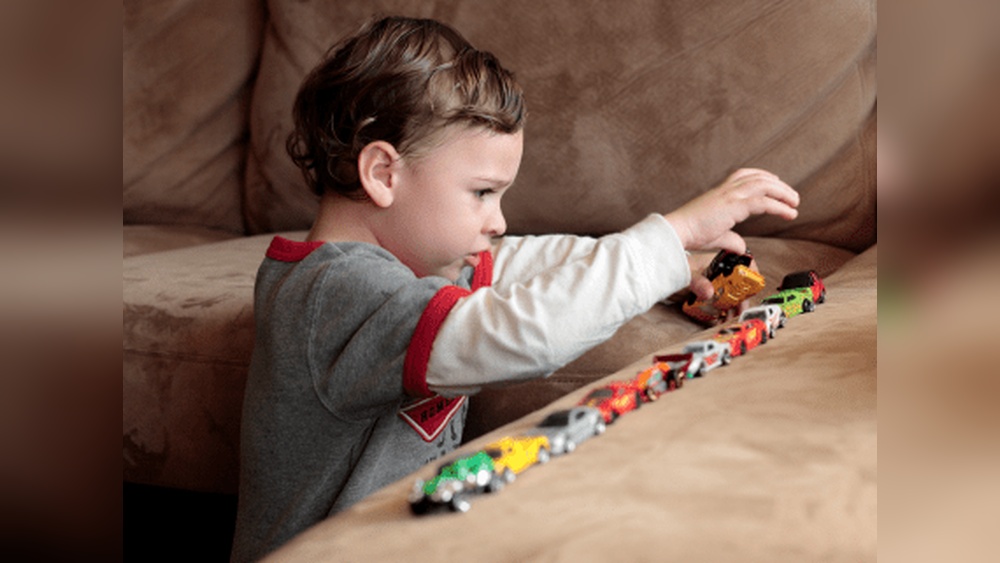
Have you ever noticed your child carefully lining up their toys in a row? It might seem a bit unusual, and you may wonder if this behavior is something to be concerned about.
You’re not alone in asking this question. Understanding why kids do this can help you support their growth and ease any worries you might have. Keep reading to discover what it really means when your child lines up toys—and why it could be perfectly normal.

Credit: kdfoundation.org
Why Kids Line Up Toys
Many children enjoy lining up their toys. This habit may seem strange to adults, but it often has a clear purpose for kids. Understanding why children arrange toys in a row helps parents and caregivers support their growth.
Lining up toys can be a way for children to explore their world. It can also help them feel calm and organized. This behavior is common and can be part of normal development.
Common Reasons Behind The Behavior
Children line up toys for several reasons. Some enjoy the order and control it gives them. It can also be a way to make sense of their environment. The repetition in lining up toys can feel comforting.
Kids may also use this activity to practice counting and sorting skills. Lining toys by size, color, or type helps them learn patterns. It encourages focus and attention to detail, which are important skills for learning.
Developmental Stages And Toy Arrangement
As children grow, their reasons for lining up toys change. Toddlers often do this to explore shapes and sizes. Preschoolers might organize toys to tell a story or play a game.
Some children use lining up as a way to express feelings or thoughts. It may also reflect their growing interest in rules and routines. This behavior usually decreases as children develop other ways to play.
When Lining Up Toys Is Typical
Lining up toys is common for many children during playtime. This behavior is a natural part of how kids explore their world. It often shows their desire for order and control. Understanding when this habit is typical helps parents stay calm and supportive.
Children use toy lining to focus and make sense of their surroundings. This act is often a way to practice skills like counting and sorting. It can also be a form of self-expression and creativity.
Age Groups Most Likely To Line Up Toys
Preschoolers and toddlers often line up toys the most. Kids between ages 2 and 5 enjoy arranging objects. This helps them learn patterns and sequences. Some children may start this behavior as early as 18 months. Older children might line up toys during quiet or focused play.
Benefits Of Organizing Playthings
Lining up toys helps kids develop patience and attention. It improves fine motor skills by moving small objects carefully. Children learn to group similar items and understand categories. This activity can reduce stress and create a calming effect. Organizing toys also boosts a child’s ability to plan and solve problems.
Signs To Watch For
Children often line up toys as part of their play. This behavior can be normal and harmless. It can also be a sign of something more serious. Knowing which signs to watch for helps parents understand their child better. This section explains key behaviors to observe.
Behavior Patterns That May Signal Concern
Watch if the child lines up toys for long periods without changing activity. Notice if they get upset when the order is disturbed. Look for lack of interest in other games or friends. Pay attention if the child repeats the lining up in many settings. These patterns may need further attention from a professional.
Differentiating Play From Repetitive Actions
Normal play includes variety and imagination. Children try new ways to use toys. Repetitive actions involve doing the same thing over and over. Line-ups become a problem when they replace creative play. Also, if the child ignores other activities and social interaction. Understanding this difference helps decide if support is needed.

Credit: www.tptoys.com
Expert Perspectives
Experts study why children line up toys. They share views to help parents understand this behavior. Children often show patterns that seem unusual but have clear reasons behind them.
Experts explain how this action fits into child development. They also discuss when it is normal and when parents should watch more closely.
Child Psychologists’ Views
Child psychologists see lining up toys as part of learning. It helps children organize their world and feel control. This behavior may show early signs of focus and attention skills.
Some psychologists say it is common in young children. It often reflects their way of making sense of surroundings. It can also be a sign of creativity and problem solving.
Psychologists note that if lining up becomes very strict or frequent, it may need attention. It could be linked to anxiety or developmental differences. Careful observation and guidance can help in such cases.
Insights From Pediatricians
Pediatricians consider lining up toys a normal activity for many kids. They explain it can support motor skills and hand-eye coordination. Children enjoy patterns and repetition as part of growth.
Doctors advise parents to watch for changes in behavior or social skills. If children avoid interaction or only line up toys, medical advice may be needed. Pediatricians stress that each child is unique and develops differently.
Routine checkups can help identify if lining up toys is part of normal growth or a sign of a deeper issue. Pediatricians encourage parents to trust their instincts and seek help when unsure.
Connection To Autism Spectrum
Children often line up toys as a way to play. This behavior can be part of normal development. Sometimes, it may relate to the autism spectrum. Understanding this connection helps parents and caregivers respond better. It is important to know what signs to watch for and when to seek help.
Understanding The Link
Lining up toys can be a sign of autism in some children. Many children with autism enjoy order and predictability. They may find comfort in arranging objects in a specific way. This behavior helps them feel calm and in control.
Not all children who line up toys have autism. Some simply like patterns or repetition. The key is to watch for other behaviors. These include limited eye contact, delayed speech, or difficulty with social skills.
When To Seek Professional Evaluation
Parents should consider an evaluation if lining up toys is frequent and intense. If the child struggles with communication or social interaction, seek help. A professional can assess development and provide guidance.
Early diagnosis helps children get support sooner. Therapies and interventions can improve skills and confidence. Trust your instincts if you feel something is different. Professionals can offer clarity and peace of mind.
Supporting Healthy Play
Supporting healthy play helps children grow and learn. Play gives kids chances to explore ideas and feelings. It also builds skills like problem-solving and sharing. Watching a child line up toys is part of this learning. It shows how they organize and make sense of their world. Parents and caregivers can guide play to help children try new ways of thinking and creating.
Encouraging Creativity Beyond Lining Up
Children who line up toys enjoy order and control. Encouraging them to use toys in different ways sparks creativity. Suggest playing stories with toys or building new shapes. Offer materials like crayons or blocks for open-ended play. This helps kids use imagination and express themselves. Creativity grows when children try new play styles.
Balancing Structure And Flexibility
Structure helps kids feel safe during play. Routine and clear rules give comfort. Flexibility allows children to explore and experiment. Let children decide how to play sometimes. Mix set activities with free play moments. This balance supports growth in many areas. It helps kids learn rules and develop independence.
Parental Tips And Strategies
Understanding why kids line up toys helps parents support healthy play. This behavior can be a way for children to explore order and patterns. Parents can guide this interest while encouraging creativity and social skills. Simple strategies make playtime fun and meaningful.
How To Respond To Toy Lining Behavior
Notice your child’s focus without interrupting. Show interest by asking gentle questions about their arrangement. Praise their effort and attention to detail. Avoid forcing changes or criticizing the order. Use this chance to teach counting, colors, or shapes. Encourage them to explain their pattern or story behind it.
Creating An Engaging Play Environment
Offer a variety of toys to spark imagination. Include blocks, cars, and animal figures for different play styles. Arrange the play area to be safe and inviting. Rotate toys regularly to keep interest fresh. Join your child during play to model sharing and cooperation. Provide spaces for both quiet and active play moments.

Credit: www.tptoys.com
Frequently Asked Questions
Why Do Kids Line Up Toys Repeatedly?
Kids line up toys to explore order and control. It helps them feel secure and understand patterns. This behavior supports brain development and focus skills. It is often a normal part of play and learning.
Is Lining Up Toys A Sign Of Autism?
Lining up toys alone is not a definitive autism sign. Many kids do it as typical behavior. However, if combined with other social or communication challenges, it may warrant evaluation by a professional.
How Should Parents Respond To Toy Lining?
Parents should observe without discouraging toy lining. It shows creativity and organization skills. Encouraging varied play can balance this behavior. If concerned, consulting a pediatrician or therapist helps clarify any issues.
At What Age Do Kids Stop Lining Up Toys?
Most kids naturally outgrow lining up toys by ages 4 to 6. It fades as social and cognitive skills develop. Persistent lining beyond this age may need professional advice if it interferes with play.
Conclusion
Kids lining up toys is usually normal behavior. It helps them feel safe and in control. This habit can show focus and a need for order. Parents should watch for changes or stress signs. Encouraging play and social interaction supports healthy growth.
Trust your instincts and ask a doctor if worried. Remember, every child is unique and learns differently. Understanding their actions helps build stronger bonds. Keep observing and enjoy their creative play moments.
