
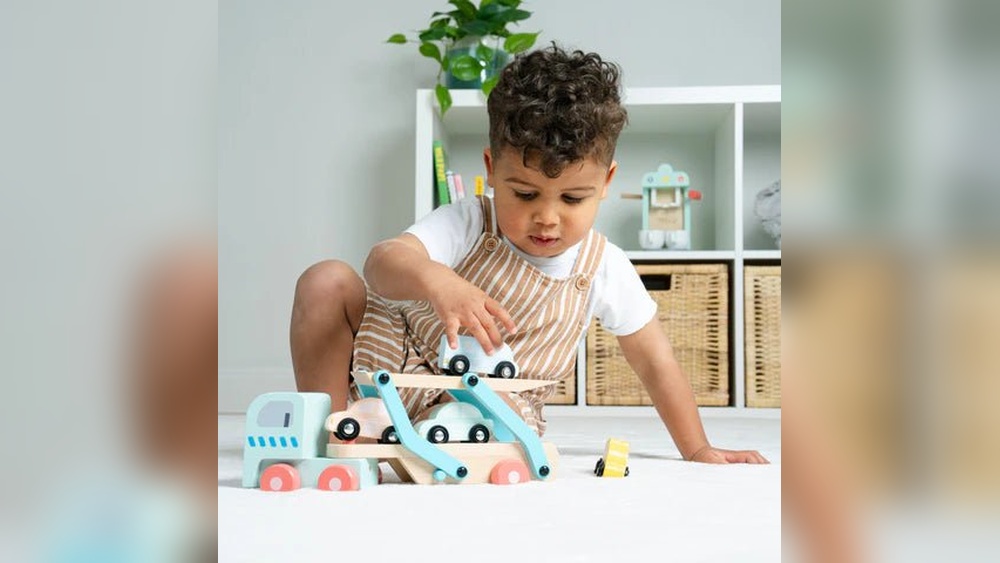
Have you ever noticed your child carefully lining up their toys, one by one, in a perfect row? You might wonder if this is just a quirky habit or something more.
It’s natural to ask yourself, “Is it normal for kids to line up their toys? ” Understanding why your child does this can give you valuable insight into their thoughts and feelings. Keep reading to discover what this behavior means and how it might help your child grow.

Credit: kdfoundation.org
Why Kids Line Up Toys
Many children enjoy lining up their toys in neat rows. This behavior often surprises parents. Understanding why kids do this helps us support their growth. Toy lining is more than just play. It shows how children explore their world and learn new skills.
Common Reasons Behind Toy Lining
Kids line up toys for several simple reasons. They like order and predictability. Lining toys creates a sense of control. It helps children feel calm and focused. Kids may also enjoy sorting by color, size, or type. This activity can be a way to practice counting and grouping. Sometimes, lining toys is a way to tell a story or act out events.
Developmental Milestones Linked To Lining
Lining toys connects to key growth stages. It shows early math skills like sequencing and pattern recognition. Children develop fine motor skills by placing toys carefully. This activity also supports concentration and patience. Lining up toys helps kids understand spatial relationships. It often appears during the toddler and preschool years. These behaviors reflect healthy brain development and learning.

Credit: www.youtube.com
When Lining Becomes Concerning
Lining up toys is common for many children. It can be a fun way to organize and play. But sometimes, this behavior may raise concerns. Understanding when lining up toys becomes a problem is important.
Parents and caregivers should know what signs to watch for. Knowing the difference between normal play and repetitive behavior helps guide the next steps.
Signs To Watch For
Does your child line up toys for a very long time? Do they get upset if the order changes? These can be warning signs.
Also, watch if the child repeats this behavior over and over without playing with the toys. Difficulty talking or making eye contact may show a bigger issue.
Check if the child avoids social interaction or has trouble with daily tasks. These signs together might need professional advice.
Differences Between Play And Repetitive Behavior
Normal play is flexible. Children may line up toys but also use them in many ways.
Repetitive behavior means doing the same action repeatedly without variation. It might not seem fun or creative.
Play often involves imagination and sharing with others. Repetitive lining is more about routine and control.
Understanding these differences helps in supporting your child’s growth and happiness.
Expert Views On Toy Lining
Experts have studied why kids line up their toys. They see this habit as a way children understand their world. Toy lining can show how a child thinks and feels. It is often a normal part of play and development.
Child Psychologists’ Perspectives
Child psychologists say lining toys helps children organize thoughts. It can be a way to practice control and order. Some kids use this to feel safe and calm. Psychologists see this behavior as normal in early years. It helps kids learn patterns and build memory skills. Lining toys might also show creativity and problem-solving.
Insights From Pediatricians
Pediatricians note toy lining is common in toddlers and preschoolers. It often reflects healthy brain growth and motor skills. This activity supports focus and patience in young children. Pediatricians watch for signs if the behavior stops daily activities. In most cases, toy lining is part of normal play. They encourage parents to observe and support this interest gently.
Lining And Autism Spectrum
Many children enjoy lining up their toys. This simple act can be a part of normal play. Yet, sometimes, lining up toys may relate to behaviors seen in children on the autism spectrum. Understanding this link can help parents and caregivers respond thoughtfully.
Connection Between Lining And Autism
Lining up toys is common among children with autism. It can provide a sense of order and control. This behavior helps some kids feel calm and focused. It is often more intense and frequent than in typical play. The child may line up objects by size, color, or shape. This repetitive action can be a sign of how they process the world around them.
How To Approach Assessment
Notice how often your child lines up toys. Observe if the behavior affects daily activities. Talk with a pediatrician if you have concerns. Early assessment can provide helpful guidance. Professionals can check for other signs of autism. They will consider the whole child, not just one behavior. Assessment helps create support plans tailored to the child’s needs.
Supporting Healthy Play Habits
Children learn a lot through play. Playing helps them grow social skills and creativity. Lining up toys can be a part of this learning. It shows focus and order. Still, it is important to encourage other types of play. This helps children explore new ideas and skills.
Parents and caregivers can guide children gently. Offering different toys and activities helps. This way, kids can try new ways to play. It also supports healthy brain development and emotional growth.
Encouraging Creativity Beyond Lining
Provide toys that invite imagination. Blocks, art supplies, and costumes are good choices. Ask questions about their play to spark ideas. “What story are you telling with your toys?” Try to join their play sometimes. It builds connection and shows interest.
Offer chances for social play with other children. This teaches sharing and cooperation skills. Praise efforts to try new play styles. Small changes can help children feel confident in creativity.
When To Seek Professional Advice
Some children line up toys a lot and avoid other play. They might seem upset if interrupted. They may also have trouble talking or making friends. These signs could mean extra support is needed.
Consult a pediatrician or child development expert. Early help can make a big difference. Professionals can guide families with the right tools. This helps children enjoy a full range of play and learning.

Credit: www.tptoys.com
Frequently Asked Questions
Why Do Kids Line Up Their Toys Frequently?
Kids line up toys to create order and predictability. It helps them feel calm and focused. This behavior often supports developing organizational skills and fine motor coordination. Lining up toys also reflects early pattern recognition and problem-solving interests in children.
Is Lining Up Toys A Sign Of Developmental Progress?
Yes, lining up toys shows cognitive and motor development. It indicates that children understand sequences and spatial relationships. This activity also fosters concentration and patience, essential skills for later learning. It is a normal part of many kids’ growth stages.
When Should Parents Be Concerned About Toy Lining?
Parents should worry if lining up becomes obsessive or interferes with social interaction. If a child insists on strict routines or shows distress when disrupted, consult a pediatrician. Otherwise, lining up toys is usually harmless and common in early childhood.
How Does Toy Lining Benefit Children’s Learning?
Toy lining enhances sorting, counting, and pattern recognition skills. It encourages attention to detail and logical thinking. These benefits support math readiness and problem-solving abilities. The activity also improves hand-eye coordination and fine motor control.
Conclusion
Kids lining up toys is common and usually harmless. It helps them feel safe and in control. This behavior shows their curiosity and need for order. Parents can watch and support without worry. If the habit grows too strong or causes stress, talking to a doctor can help.
Most children outgrow this as they learn new skills. Understanding this habit helps parents stay calm and patient. It’s a small step in a child’s growth journey. Just let them explore and enjoy their playtime.
