
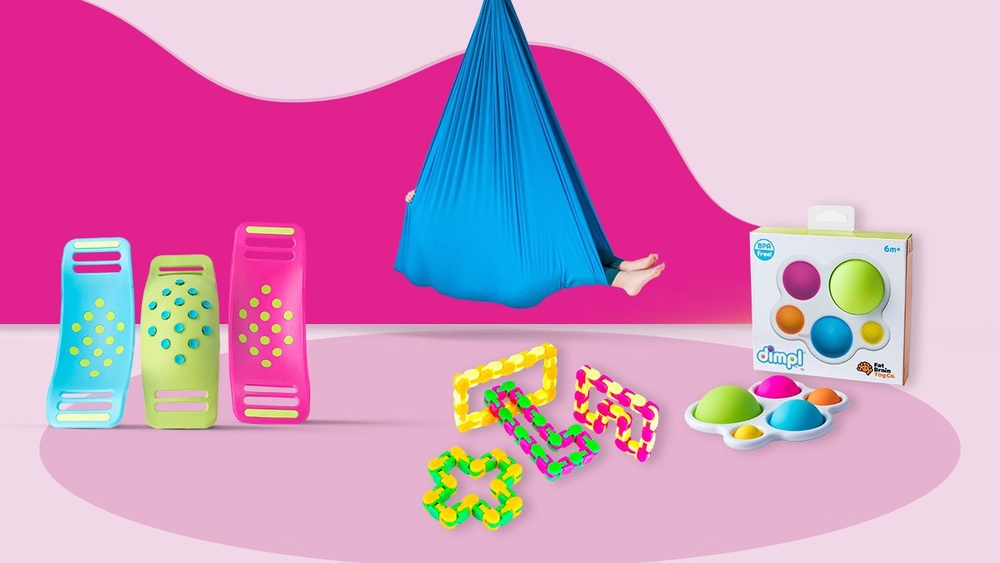
Are you looking for the best sensory play toys for your kids? Choosing the right toys can make a big difference in how your child learns and grows.
Sensory play helps develop important skills like focus, creativity, and coordination. But with so many options out there, how do you know which toys truly stand out? Keep reading, and you’ll discover the top picks that will engage your child’s senses and boost their development in fun and exciting ways.
Your child’s next favorite toy might be just a click away!
Benefits Of Sensory Play
Sensory play offers many benefits for children’s growth and learning. It helps kids explore the world using their senses. Touch, sight, sound, smell, and taste all work together. Sensory play toys provide a safe and fun way to develop these senses. This type of play supports important skills that children need every day.
Playing with sensory toys encourages learning through hands-on experiences. Children gain confidence as they discover new textures and shapes. Sensory play also keeps kids curious and engaged. It builds a strong base for future learning and development.
Enhancing Motor Skills
Sensory play helps improve both fine and gross motor skills. Manipulating toys strengthens hand muscles and coordination. Activities like squeezing, pouring, and sorting increase dexterity. These skills are important for writing, dressing, and eating.
Gross motor skills develop as children move and balance. Sensory play encourages crawling, jumping, and reaching. These actions build strength and control over their bodies.
Boosting Cognitive Development
Sensory play stimulates brain growth and thinking skills. Children learn cause and effect by experimenting with toys. Problem-solving and decision-making skills improve during play. Sensory experiences help with memory and attention span.
Sorting colors and shapes teaches classification and comparison. Exploring different textures builds understanding of the environment. This type of play supports language development too.
Supporting Emotional Growth
Sensory play helps children express and manage emotions. It provides a calming effect during stressful moments. Tactile activities can reduce anxiety and increase focus.
Playing with sensory toys encourages creativity and imagination. Kids learn to share and cooperate with others. These experiences build self-confidence and social skills.

Credit: napacenter.org
Types Of Sensory Toys
Sensory toys help children explore their senses. These toys support learning and development. Different types of sensory toys focus on different senses. Each type offers unique benefits for kids. Choosing the right sensory toys can make playtime fun and educational.
Tactile Toys
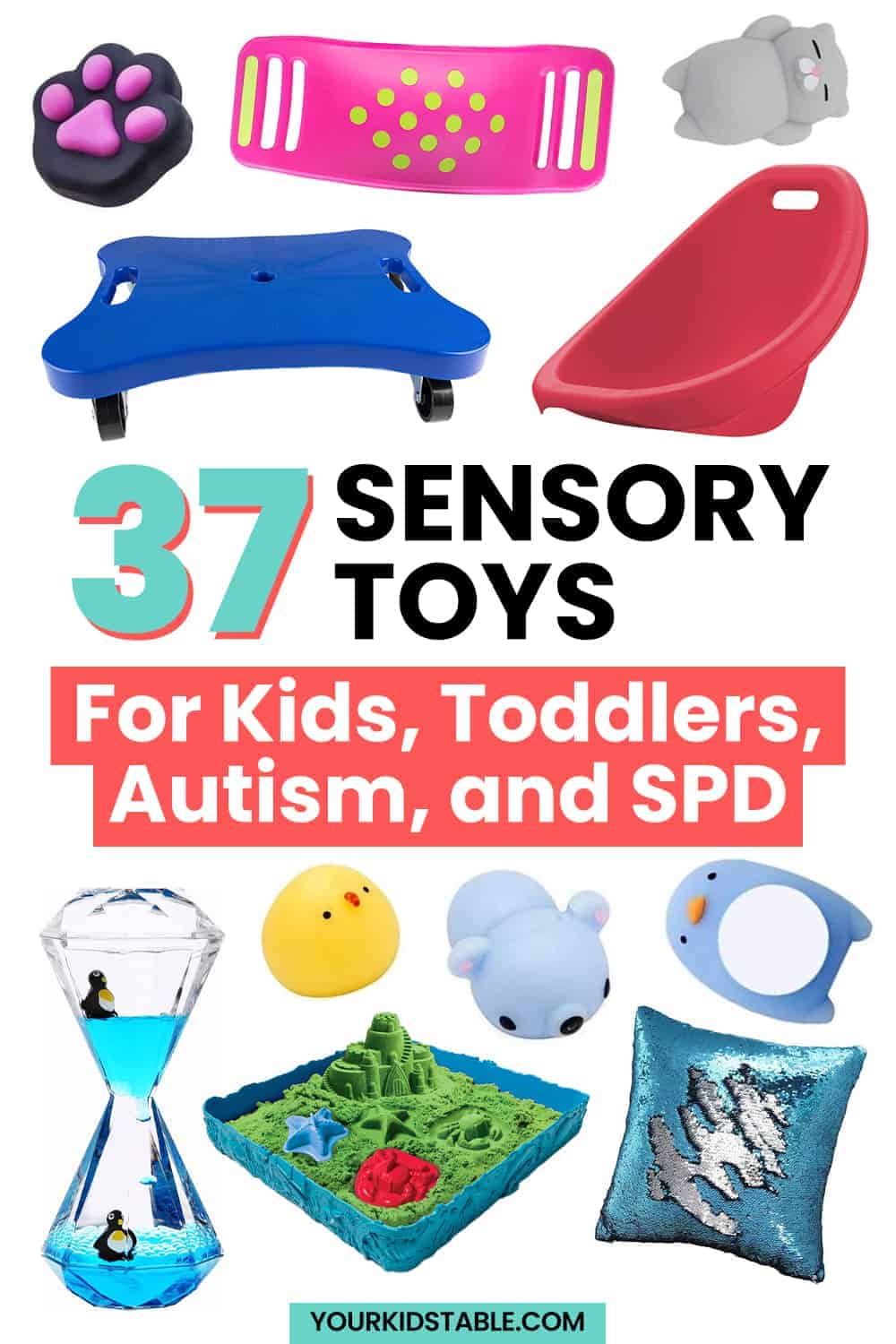
Tactile toys engage the sense of touch. They have different textures like soft, rough, or bumpy. Toys like squishy balls, textured blocks, and sensory mats fit here. Kids develop fine motor skills and hand strength. Tactile toys also help with focus and calmness.
Auditory Toys
Auditory toys focus on hearing. These toys make sounds like rattles, bells, or musical instruments. They teach kids about cause and effect. Auditory toys improve listening skills and attention. They also encourage language development and rhythm recognition.
Visual Toys
Visual toys stimulate sight with colors and lights. Examples include light-up toys, color puzzles, and kaleidoscopes. These toys help with color recognition and visual tracking. They also boost concentration and hand-eye coordination. Visual toys make learning bright and exciting.
Olfactory And Taste Toys
Toys for smell and taste engage these less common senses. Scented playdough and spice jars are good examples. These toys help children identify different smells and flavors. They encourage sensory exploration and memory skills. Always ensure taste toys are safe and non-toxic.
Choosing The Right Sensory Toy
Choosing the right sensory toy is important for a child’s growth and fun. Sensory toys help children learn through touch, sight, and sound. Picking the correct toy can support their development and keep them engaged. Several factors matter when selecting the perfect sensory toy for kids.
Age Appropriateness
Each age group needs different sensory experiences. Toys for babies focus on soft textures and bright colors. Toddlers enjoy toys with buttons and sounds. Older kids may prefer more complex toys with multiple functions. Always check the age label on the toy to ensure it suits the child’s stage.
Safety Considerations
Safety is the top priority in sensory play. Choose toys without small parts that could cause choking. Make sure materials are non-toxic and free from harmful chemicals. Toys should be sturdy and not break easily. Look for products tested and approved by safety standards.
Material And Durability
Good sensory toys use safe and strong materials. Soft fabrics, silicone, and wood are popular choices. These materials feel nice and last longer. Avoid toys made from cheap plastic that can crack or break. Durable toys save money and provide better play experiences.
Top Sensory Toys For Toddlers
Sensory toys help toddlers learn about the world. They improve touch, sight, and hearing skills. These toys also support brain development and coordination. Choosing the right sensory toys can make playtime fun and educational.
Here are some top sensory toys that toddlers enjoy and benefit from.
Squishy Balls And Textured Blocks
Squishy balls are soft and easy to grip. They help toddlers practice hand strength and finger control. Textured blocks come in different shapes and surfaces. They encourage exploration through touch and stacking games. Both toys improve fine motor skills and sensory awareness.
Musical Instruments
Simple instruments like tambourines and shakers create sounds toddlers love. They teach rhythm and cause-effect relationships. Playing instruments also boosts listening skills and coordination. Musical toys invite children to experiment with noise and movement.
Water Play Sets
Water play sets include cups, scoops, and small containers. These toys let toddlers feel and pour water. Water play supports sensory development and hand-eye coordination. It also encourages creativity and calmness during playtime.
Best Sensory Toys For Preschoolers
Preschoolers learn best through play that involves their senses. Sensory toys help children explore touch, sight, sound, and movement. These toys support brain growth and fine motor skills. Choosing the right sensory toys makes playtime fun and educational. Here are some of the best sensory toys for preschoolers to consider.
Interactive Light Toys
Interactive light toys capture children’s attention with colors and shapes. These toys often change colors or flash when touched. They help develop visual tracking and cause-and-effect understanding. Kids enjoy pressing buttons and watching lights respond. These toys also encourage hand-eye coordination and focus.
Sensory Bins And Kits
Sensory bins let children explore different textures and materials. Common items include rice, sand, water beads, and small toys. These bins improve tactile skills and keep kids curious. Sensory kits often come with tools like scoops and funnels. They offer a hands-on way to practice fine motor skills and creativity.
Balance And Coordination Tools
Balance and coordination tools challenge preschoolers to control their bodies. Examples include balance boards, stepping stones, and wobble cushions. These toys strengthen muscles and improve posture. They also promote body awareness and confidence. Using these tools regularly supports healthy physical development.
Sensory Toys For Special Needs
Sensory toys for special needs help children explore and understand their world. These toys support various learning styles and sensory processing challenges. They offer comfort, focus, and fun during playtime. Choosing the right sensory toy can make a big difference in a child’s development.
Calming And Soothing Toys
Calming toys reduce stress and anxiety in children. Soft textures, gentle lights, and smooth movements help kids relax. Weighted blankets, squishy balls, and fidget spinners are popular choices. These toys create a safe space for children to calm down.
Focus And Attention Aids
Toys that improve focus guide children to stay on task. They include puzzles, stacking blocks, and sensory bins filled with different materials. These toys engage the senses and sharpen concentration. Repetitive actions and tactile feedback keep children interested.
Adaptive Play Options
Adaptive toys adjust to each child’s needs and abilities. They come in various sizes, shapes, and textures. Some toys are designed for easy grip or cause-and-effect play. These options promote independence and encourage learning through play.
Diy Sensory Toys At Home
DIY sensory toys at home are a fun way to boost kids’ learning and play. Making toys yourself saves money and lets you customize for your child’s needs. These toys help children explore textures, colors, and shapes.
Creating sensory toys at home can be simple and rewarding. It encourages creativity and helps kids develop fine motor skills. You can use items found around the house to build engaging toys.
Simple Materials To Use
Common household items work great for DIY sensory toys. Use rice, pasta, beans, and cotton balls for tactile play. Empty bottles and containers can hold colorful beads or water with glitter. Soft fabrics and sponges add different textures.
Creative Ideas For Engagement
Fill a jar with layered colored sand for visual stimulation. Make a touch board with different fabrics glued to cardboard. Create a sensory bag with hair gel and small toys inside for squishy fun. These ideas keep kids interested and curious.
Safety Tips For Diy Toys
Always supervise children during play with DIY toys. Avoid small parts that can cause choking. Use non-toxic materials only. Check that all pieces are securely attached. Keep toys clean and dry to prevent germs.
Credit: yourkidstable.com
Maintaining And Cleaning Sensory Toys
Sensory play toys need regular care to stay safe and fun for kids. Cleaning and maintaining these toys keeps germs away. It also helps the toys last longer. Parents and caregivers should know the best ways to clean different materials. Proper storage protects toys from damage. Knowing when to replace toys ensures children play with safe items.
Cleaning Techniques By Material
Soft toys require gentle washing. Use mild soap and warm water. Rinse well and air dry completely. Plastic toys can be wiped with disinfectant wipes. Avoid harsh chemicals that may harm the surface. Wooden toys need a damp cloth for cleaning. Avoid soaking wood to prevent cracks. Silicone toys can be boiled or placed in a dishwasher. This kills germs effectively. Always check manufacturer instructions before cleaning.
Storage Solutions
Keep sensory toys in clean, dry places. Use bins or baskets with lids to avoid dust. Separate toys by material for easy access. Avoid overcrowding to prevent breakage. Store toys away from direct sunlight. This stops fading and warping. Label storage containers for quick sorting. Teach kids to put toys back after use.
When To Replace Toys
Replace toys with cracks or broken parts. Damaged toys can cause injuries or germs. Throw away toys that lose their texture or color. Frequent use may wear out sensory toys faster. Check toys regularly for wear and tear. Replace items that no longer work as intended. Keeping toys in good condition supports safe play.
Credit: www.healthline.com
Frequently Asked Questions
What Are The Best Sensory Play Toys For Kids?
The best sensory play toys stimulate touch, sight, sound, and movement. Popular options include textured balls, water beads, and fidget toys. These toys enhance motor skills and sensory processing in children. They are safe, durable, and age-appropriate.
How Do Sensory Toys Benefit Child Development?
Sensory toys improve fine motor skills, coordination, and cognitive abilities. They also help children regulate emotions and reduce anxiety. These toys encourage exploration and creativity. Overall, sensory toys support healthy brain development in kids.
Which Sensory Toys Are Safe For Toddlers?
Safe sensory toys for toddlers are non-toxic, large enough to avoid choking, and free from sharp edges. Examples include soft textured fabrics, stacking cups, and chunky puzzles. Always supervise toddlers during play to ensure safety.
Can Sensory Play Toys Help Children With Special Needs?
Yes, sensory toys are highly beneficial for children with autism, ADHD, and sensory processing disorders. They provide calming effects and improve focus. Tailored sensory toys can support individualized therapy goals and daily functioning.
Conclusion
Choosing the best sensory play toys helps children learn and grow. These toys keep kids busy and curious. They support senses like touch, sight, and hearing. Simple toys can make a big difference in development. Parents enjoy seeing their children explore and discover.
Remember, playtime builds skills that last a lifetime. Sensory toys are a smart choice for fun learning. Give kids the tools to enjoy play and learn every day.
