
Have you ever wondered how the toys your toddler plays with shape their ability to make friends and communicate? Toys do more than just keep your little one busy—they are powerful tools that help build important social skills.
When your child shares, takes turns, or plays pretend, they are learning how to connect with others. You’ll discover simple ways toys can boost your toddler’s social growth and set them up for success. Keep reading to unlock the secrets behind playtime and your child’s social future.

Credit: autismlearningpartners.com
Role Of Toys In Social Growth
Toys play a key role in a toddler’s social growth. They help children learn how to interact with others. Through play, toddlers practice important social skills. Toys create opportunities for sharing, talking, and understanding feelings. These early experiences build a strong foundation for later social success.
Choosing the right toys encourages positive social behavior. Toys that invite group play help children cooperate and communicate. They also teach empathy by encouraging children to see others’ perspectives. Let’s explore how toys support these essential social skills.
Encouraging Sharing And Cooperation
Toys bring children together. Sharing toys teaches patience and kindness. Toddlers learn to take turns and wait for their chance. Cooperative play with toys helps children work as a team. They develop skills to solve problems with friends. Sharing toys also reduces conflicts and builds friendships.
Building Communication Skills
Toys spark conversations. Playing with dolls, action figures, or puppets encourages talking. Toddlers practice words and phrases during play. They learn to express ideas and listen to others. Group play with toys helps children understand rules and follow directions. Communication skills grow stronger with these interactive experiences.
Fostering Empathy And Understanding
Role-playing with toys teaches empathy. Toddlers imagine how others feel in different situations. They practice caring and kindness through pretend play. Toys like dolls or stuffed animals help children explore emotions. This builds a better understanding of others’ feelings. Empathy is a vital skill for healthy social relationships.
Types Of Toys That Promote Interaction
Toys play a big role in helping toddlers learn to interact with others. Some toys encourage sharing, talking, and teamwork. These toys help children build social skills naturally through play. Choosing the right types of toys can make social learning fun and easy.
Pretend Play Sets
Pretend play sets let toddlers act out real-life situations. Kids use their imagination to become cooks, doctors, or shopkeepers. These toys encourage talking and role-playing with friends or adults. Pretend play helps children understand feelings and practice communication. It builds empathy and cooperation skills in a fun way.
Collaborative Games
Collaborative games need players to work as a team. Toddlers learn to take turns and follow simple rules. These games teach patience and how to solve problems together. Playing with others helps children develop trust and respect. It also encourages sharing and listening skills.
Building And Construction Toys
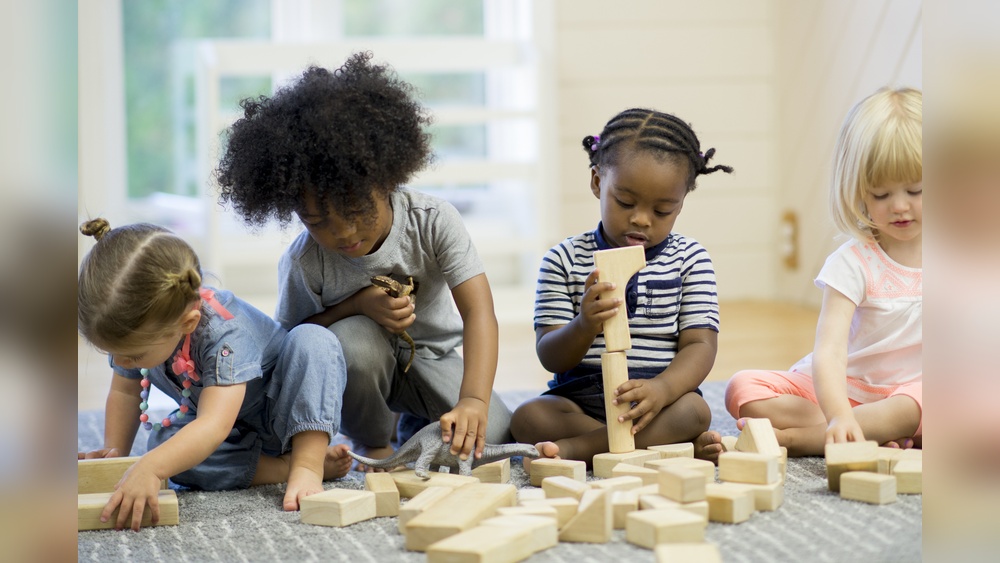
Building toys like blocks or LEGO encourage teamwork and creativity. Toddlers can build together and share ideas. These toys improve communication and cooperation skills. Working on a project as a group teaches kids to negotiate and help each other. It also boosts confidence and social connection.
Choosing Age-appropriate Toys
Choosing toys that fit a toddler’s age helps them learn to share and play together. These toys encourage talking, taking turns, and making friends. Simple, safe toys boost social skills through fun and interaction.
Safety And Developmental Suitability
Choosing toys that are safe is the first step. Toddlers explore by putting things in their mouths. Toys must not have small parts that can be swallowed. Check labels for age recommendations to avoid hazards.
Developmental suitability means toys should match your child’s growth stage. Toys too advanced can cause frustration. Toys too simple may not hold interest. Age-appropriate toys help build skills at the right pace.
Matching Interests And Abilities
Toys that match a toddler’s interests keep them engaged longer. Observe what your child enjoys, such as animals, colors, or sounds. Choose toys that connect to these interests.
Abilities also matter. Toys should challenge toddlers just enough to encourage learning. Puzzles, blocks, and simple role-play sets support social skills. They help toddlers share, take turns, and communicate.

Credit: www.lumierechild.com
Creating Play Scenarios For Social Skills
Creating play scenarios helps toddlers learn social skills naturally. Play is a safe space for them to explore feelings and practice talking. Toys make these moments fun and meaningful. They guide children to share, take turns, and understand others. Setting up simple scenes with toys can build strong social habits early on.
Structured play encourages toddlers to try new roles and ideas. It invites cooperation and listening. Through pretend play, toddlers learn empathy and how to express themselves. These scenarios prepare them for real-life social situations.
Role-playing Activities
Toys like dolls, animals, or figures inspire role-playing. Toddlers copy adults or create stories with them. Acting out daily routines helps children understand social rules. They practice greetings, asking for help, or saying sorry. Role-play builds confidence in talking and showing feelings.
Group Play Strategies
Group play with toys teaches sharing and patience. Toddlers learn to wait for their turn and cooperate. Playing with blocks or cars together encourages teamwork. Adults can guide children to use polite words and listen. Group play strengthens friendships and social awareness.
Encouraging Problem Solving Together
Toys that require teamwork promote problem solving skills. Puzzles, building sets, or sorting games help toddlers think and talk. They learn to ask questions and find answers as a team. Solving problems together boosts communication and respect for others’ ideas.
Parental Involvement In Playtime
Parental involvement in playtime shapes how toddlers learn to interact with others. Parents guide children through new social experiences. They create a safe space for sharing and cooperation. Playing together helps toddlers understand feelings and actions. Parents also teach important social rules through example and support.
Modeling Positive Social Behavior
Parents show toddlers how to be kind and respectful. Simple actions like saying “please” and “thank you” matter. Using gentle words helps children understand how to talk nicely. Parents also demonstrate patience by waiting their turn. Toddlers watch and copy these behaviors during play. This modeling builds a foundation for good social skills.
Guiding Interaction And Conflict Resolution
Parents help toddlers learn to share toys and take turns. They step in when conflicts arise and explain feelings calmly. Teaching words like “sorry” and “help” supports emotional growth. Parents encourage toddlers to express their needs clearly. This guidance helps children solve problems without anger. It also boosts confidence in social situations.
Measuring Social Skill Progress
Measuring social skill progress in toddlers is important. It helps caregivers understand how children interact and grow.
Toys play a key role in this process. They create chances for toddlers to practice social skills. Watching these moments shows what skills are developing.
Observing Playtime Behavior
Watching toddlers during play reveals a lot. Notice if they share toys or take turns. See how they respond to other children’s actions.
Look for signs of communication, like pointing or talking. Observe their body language and facial expressions. These clues show how they connect with others.
Recognizing Milestones And Challenges
Toddlers reach social milestones at their own pace. Common goals include making eye contact and playing alongside peers. Some may start to show empathy or help friends.
Challenges might appear as difficulty sharing or avoiding group play. Identifying these helps guide support and learning. Celebrate small steps to encourage progress.

Credit: good2knownetwork.org
Frequently Asked Questions
How Do Toys Improve Toddler Social Skills?
Toys encourage sharing, cooperation, and communication among toddlers. Playing together helps children practice empathy and turn-taking. These social interactions build confidence and understanding in group settings.
What Types Of Toys Boost Social Development?
Pretend play toys, building blocks, and board games promote social skills. They encourage teamwork, role-playing, and problem-solving, essential for toddler social growth and communication.
When Should Toddlers Start Using Social Skill Toys?
Toddlers can start engaging with social skill toys as early as 12 months. Early play helps develop communication, sharing, and interaction abilities crucial for later social success.
Can Toys Reduce Toddler Social Anxiety?
Yes, toys provide a safe way for toddlers to explore social situations. They build familiarity and confidence, reducing anxiety during real-life social interactions.
Conclusion
Toys help toddlers learn to share and take turns. They encourage talking and playing with others. Through play, kids understand feelings and make friends. Simple toys can build important social skills over time. Parents and caregivers play a key role by joining in.
Choosing the right toys supports healthy social growth. Playtime becomes a fun way to practice teamwork. Toddlers enjoy learning while playing together every day.
