
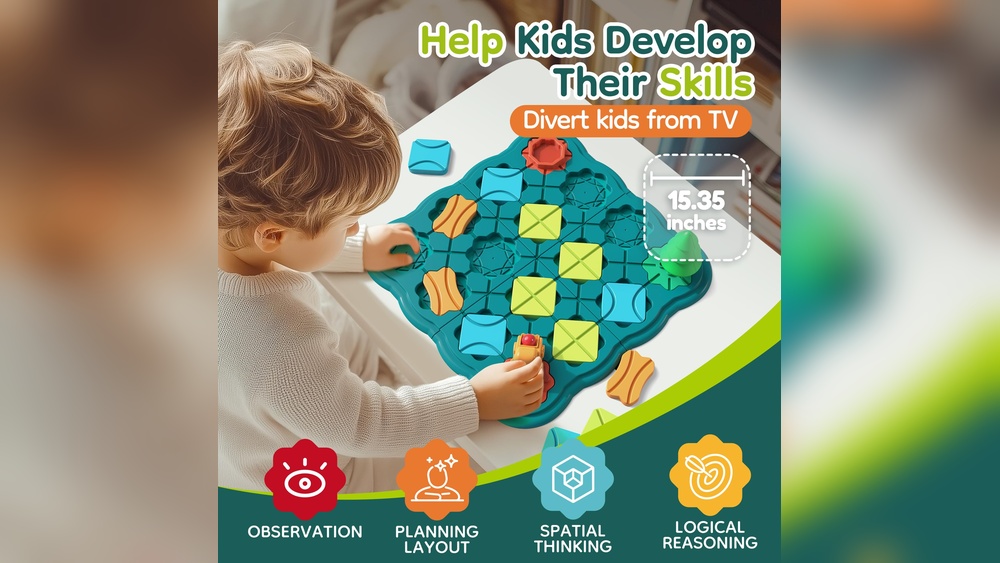
Have you ever wondered how the toys your child plays with can shape their mind? Toys do more than just entertain—they help your child learn how to think clearly and solve problems.
When your child figures out how to fit puzzle pieces together or build a strong tower, they are training their brain to think logically. This skill will help them in school and everyday life. Keep reading to discover how the right toys can boost your child’s logical thinking and set them up for success.

Credit: funexpectedapps.com
Role Of Toys In Cognitive Growth
Toys play a key role in a child’s brain development. They help children learn how to think and solve problems. Through play, kids explore ideas and practice new skills. Toys make learning fun and active. This helps children stay curious and eager to learn.
Choosing the right toys can boost a child’s mental growth. Toys that challenge the mind encourage children to think deeply. This builds strong cognitive skills that last a lifetime.
Stimulating Problem Solving
Toys like puzzles and building blocks teach kids to solve problems. Children learn to plan and find solutions. These toys require trying different ways until one works. This process sharpens critical thinking and patience.
Problem-solving toys also improve focus and attention. Kids feel proud when they complete a challenge. This boosts confidence and motivates further learning.
Encouraging Pattern Recognition
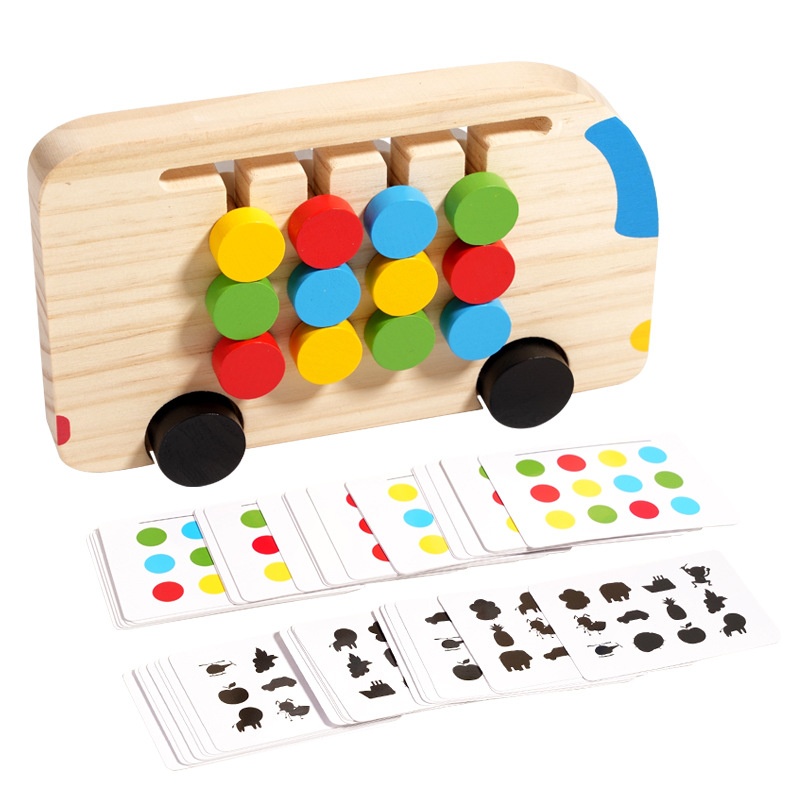
Toys that involve shapes, colors, and sequences help children spot patterns. Recognizing patterns is a key skill for math and reading. Toys like sorting games and matching cards build this ability.
Identifying patterns helps kids predict and understand the world better. It trains the brain to organize information quickly. This skill supports logic and reasoning in many areas.
Types Of Toys That Enhance Logic
Toys play a big role in helping kids think clearly and solve problems. Different types of toys teach different logic skills. Some toys help with patterns and shapes. Others teach planning and strategy. Electronic toys can make learning fun and interactive. Each type offers unique ways to grow a child’s thinking abilities.
Puzzle And Building Sets
Puzzles and building sets teach kids to recognize shapes and fit pieces together. They improve spatial thinking and patience. Kids learn cause and effect by trial and error. These toys build fine motor skills and encourage creativity. Completing a puzzle boosts confidence and logical thinking.
Strategy And Board Games
Strategy games require planning several moves ahead. Kids learn to predict and adapt to changes. Board games teach rules, turn-taking, and fair play. They promote critical thinking and decision-making. These games develop patience and the ability to focus on goals.
Educational Electronic Toys
Electronic toys offer interactive learning through sounds and lights. They teach numbers, letters, and shapes in fun ways. Some toys adapt to a child’s skill level. This keeps kids challenged but not frustrated. These toys also encourage problem-solving and quick thinking.
Skills Developed Through Play
Play is more than fun for kids. It helps them build important skills. Toys can guide children to think clearly and solve problems. These skills grow naturally during playtime. They lay a strong foundation for learning and everyday life.
Through play, kids practice thinking skills that help them understand the world. Toys challenge their minds and keep them curious. Let’s explore the key skills developed through play.
Critical Thinking
Toys encourage kids to ask questions and find answers. Puzzles and strategy games make children plan their moves. They learn to spot problems and think of solutions. This skill helps them make decisions and understand cause and effect.
Spatial Awareness
Building blocks and shape sorters teach kids about space and shapes. They learn how objects fit and move in space. This awareness helps with reading maps and understanding directions. It also supports skills in math and science later on.
Memory Improvement
Memory games and matching toys strengthen a child’s recall ability. Remembering patterns and sequences sharpens their brain. Better memory helps in school and daily tasks. It boosts confidence in learning new things.
Credit: www.alibaba.com
Choosing The Right Toys For Age
Choosing the right toys for a child’s age is very important. Toys must match their skill level. This helps kids learn and grow step by step. Age-appropriate toys keep children interested and challenged. They support logical thinking by encouraging problem-solving and creativity. Each stage of childhood needs different types of toys to best help their brain development.
Toys For Toddlers
Toddlers need simple toys that teach cause and effect. Blocks and shape sorters work well. These toys help toddlers understand how things fit together. Stacking cups or simple puzzles encourage hand-eye coordination. Toys that make sounds or light up can hold their attention. These toys help toddlers start to think logically about how the world works.
Options For Preschoolers
Preschoolers enjoy toys that challenge their thinking more. Building sets with more pieces help with planning skills. Matching games teach memory and attention to detail. Simple board games introduce rules and turn-taking. Toys that encourage imagination, like play kitchens, also support problem-solving. These toys help kids connect ideas and think in steps.
Challenges For Older Kids
Older kids need toys that challenge their reasoning and strategy. Complex puzzles and brain teasers boost critical thinking. Construction kits with many parts require planning and patience. Strategy games teach children to think ahead and make decisions. Science kits promote exploration and logical analysis. These toys help older kids improve focus and solve problems in new ways.
Incorporating Play Into Daily Routine
Incorporating play into a child’s daily routine helps build logical thinking skills. Play allows children to explore, experiment, and solve problems naturally. Regular playtime creates a habit of thinking through challenges and making decisions. It also makes learning fun and engaging.
Parents and caregivers can support this by planning play activities that fit easily into everyday life. This balance helps children develop critical thinking without feeling forced or overwhelmed.
Setting Playtime Goals
Set clear goals for playtime to guide children’s learning. Goals can include solving puzzles, building structures, or sorting shapes. These tasks encourage kids to think step-by-step and recognize patterns. Goals help focus play and make it purposeful.
Keep goals simple and achievable. Celebrate small wins to motivate kids. This approach boosts confidence and interest in logical play.
Balancing Screen And Hands-on Play
Balance screen time with hands-on play to support brain development. Screens offer interactive puzzles and educational games. Hands-on toys, like blocks and board games, develop fine motor skills and logic.
Limit screen time to short, meaningful sessions. Follow with physical play that requires thinking and creativity. This mix strengthens different areas of the brain and keeps children engaged.
Measuring Progress And Impact
Measuring progress and impact helps understand how toys aid logical thinking in kids. It shows changes in their skills and creativity over time. Careful observation and simple tracking methods reveal growth in problem-solving and innovation. This section explores key ways to measure these benefits.
Observing Problem-solving Skills
Watch how children solve puzzles or complete tasks with toys. Notice if they try different approaches or ask for help. Look for patience and persistence during challenges. Improvement appears as faster thinking and fewer mistakes. These signs indicate stronger logical thinking and better decision-making.
Tracking Creativity And Innovation
Track how kids use toys to build new ideas or stories. See if they combine pieces in unique ways or invent new games. Note their ability to think beyond instructions. Increased creativity shows flexible thinking and problem-solving skills. Simple journals or drawings can document these creative changes over time.
Credit: www.etsy.com
Frequently Asked Questions
How Do Toys Enhance Kids’ Logical Thinking Skills?
Toys challenge children to solve problems and think critically. They promote pattern recognition and cause-effect understanding. This engagement strengthens brain pathways essential for logical reasoning and decision-making.
What Types Of Toys Best Develop Logical Thinking?
Puzzle games, building blocks, and strategy toys are ideal. These toys encourage planning, sequencing, and spatial awareness. They help kids practice analyzing situations and making logical choices.
At What Age Do Toys Influence Logical Thinking?
Toys begin supporting logical skills from infancy through adolescence. Age-appropriate toys progressively build cognitive abilities. Early play lays the foundation for complex reasoning later on.
Can Digital Toys Support Logical Thinking In Children?
Yes, educational apps and games promote logic through interactive challenges. They offer adaptive difficulty levels to suit skill growth. Digital play can complement traditional toys effectively.
Conclusion
Toys help children think clearly and solve problems. They make learning fun and easy. Kids use toys to practice making choices and planning steps. Playing with toys builds focus and memory skills. Parents should pick toys that challenge kids’ minds.
This helps children grow smarter every day. Simple toys can teach big lessons. Encouraging play supports a child’s logical thinking. It sets a strong base for future learning. Toys are more than fun; they shape young minds.
