
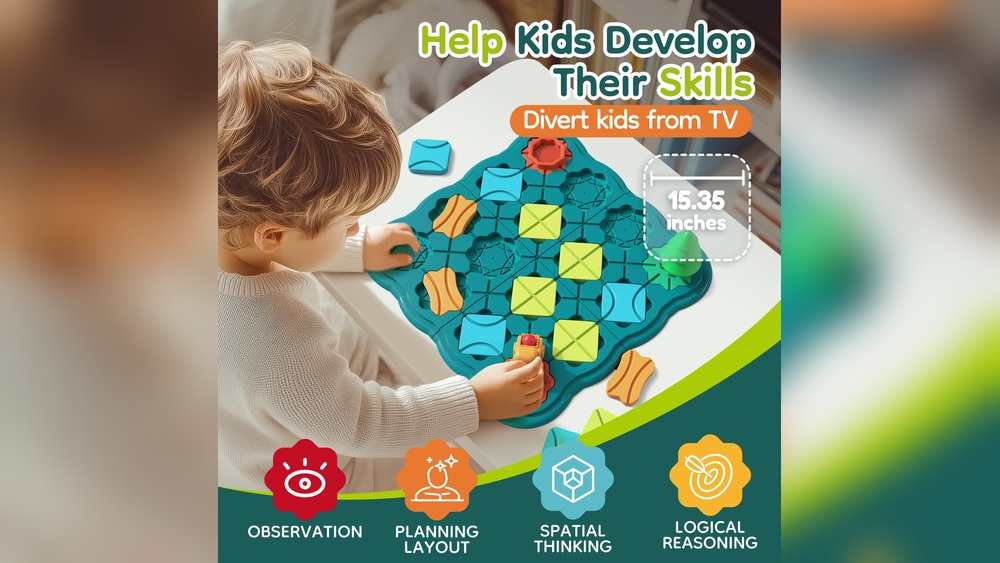
Have you ever wondered how the toys your child plays with can shape the way they think? Toys are more than just fun and games—they are powerful tools that help your child develop logical thinking skills.
When your child engages with the right toys, they learn to solve problems, make decisions, and understand cause and effect. Imagine giving your child a head start in school and life, simply by choosing toys that boost their brainpower. Keep reading to discover how toys can support your child’s logical thinking and why the right playtime matters more than you might think.
Benefits Of Toys For Brain Development
Toys play a key role in children’s brain development. They help kids learn how to think clearly and make decisions. Playing with toys challenges children to solve problems and try new ideas. This boosts their logical thinking skills and helps them grow smarter.
Choosing the right toys can support different parts of a child’s brain. Toys that require thinking and creativity improve mental abilities. They also help kids focus better and remember important details. Below are some important benefits of toys for brain development.
Enhancing Problem-solving Skills
Toys encourage kids to find solutions. Puzzles and building blocks make children think step-by-step. Kids learn to plan and test ideas. These activities teach how to handle challenges. Problem-solving with toys builds confidence and patience.
Encouraging Creativity And Imagination
Toys like dolls, action figures, and art supplies spark imagination. Children create stories and new worlds. This kind of play improves creative thinking. It helps kids see things in different ways. Creative play also supports emotional growth and self-expression.
Improving Memory And Concentration
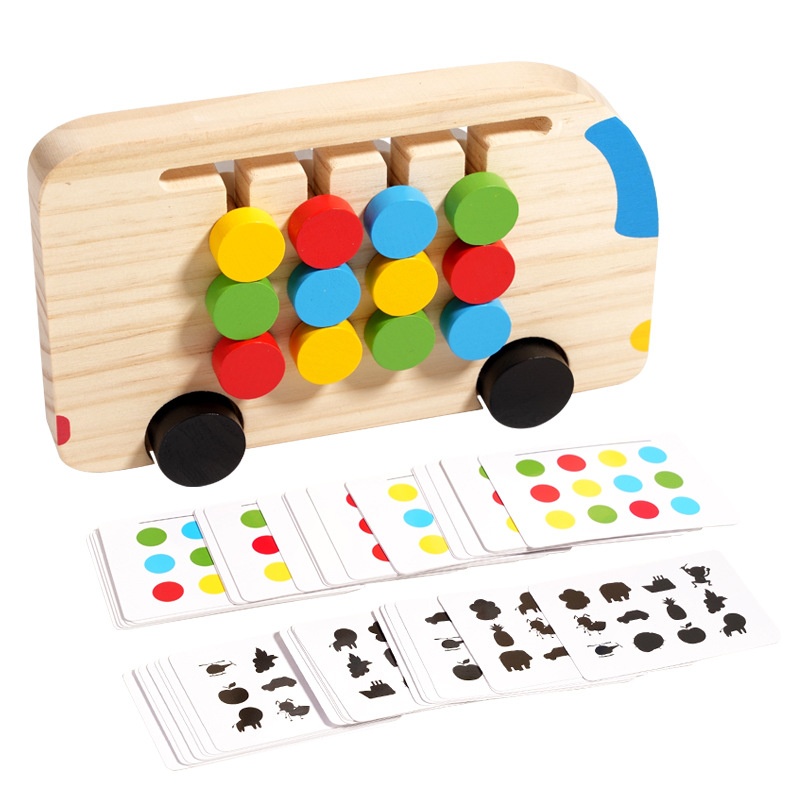
Games that need remembering rules or patterns boost memory. Toys that require focus help kids pay attention longer. Concentration improves with practice and repetition. Strong memory and focus support learning in school. These skills are important for future success.
Credit: www.alibaba.com
Types Of Toys That Boost Logic
Toys help children develop logical thinking skills in many ways. Different types of toys challenge kids to think, plan, and solve problems. These toys encourage children to use their brains actively and learn to reason step by step.
Choosing the right toys can make learning fun and effective. Here are some popular types of toys that boost logic in kids.
Puzzles And Brain Teasers
Puzzles require children to recognize patterns and fit pieces together. This activity improves memory and attention to detail. Brain teasers push kids to think outside the box. They learn to try different solutions and not give up easily.
Building Blocks And Construction Sets
Building blocks help kids understand shapes and balance. Construction sets encourage creativity while teaching planning skills. Kids learn cause and effect by seeing how pieces fit and support each other. These toys promote patience and careful thinking.
Strategy And Board Games
Strategy games teach kids to plan ahead and think critically. Board games often require counting, decision-making, and predicting opponents’ moves. Playing these games helps children practice logical steps to reach a goal. It also builds patience and social skills.
How Playtime Shapes Cognitive Growth
Playtime is more than just fun for kids. It helps their brains grow and develop. Through play, children learn how to think clearly and solve problems. Toys offer a chance to explore new ideas and practice skills. This process builds strong logical thinking abilities that last a lifetime.
Children use play to understand the world around them. They test things, make choices, and see what works. These actions support their cognitive growth step by step. Toys guide this learning by creating moments of discovery and learning.
Hands-on Learning Experiences
Toys let kids touch, move, and build. This hands-on play helps them learn by doing. They see how pieces fit and shapes change. This active learning helps children remember and understand ideas better. It also encourages them to use their senses to explore.
Encouraging Trial And Error
Playtime allows kids to try different ways to solve problems. They learn from mistakes and try again. This trial and error method builds critical thinking skills. Kids learn patience and persistence while figuring things out on their own. Toys that challenge thinking promote this valuable process.
Promoting Decision-making Skills
Choosing which toy to play with helps children make decisions. They weigh options and think about outcomes. This practice sharpens their ability to decide quickly and wisely. Decision-making during play builds confidence and independence. Toys that offer multiple choices enhance this skill.

Credit: funexpectedapps.com
Choosing The Right Toys For Different Ages
Choosing the right toys for different ages plays a key role in developing kids’ logical thinking. Toys should match a child’s abilities and interests. The right toy challenges their mind without causing frustration. Age-appropriate toys help kids explore, solve problems, and build new skills. Below are tips for selecting toys that support logical thinking at various stages.
Toddlers And Early Childhood
Toddlers learn by touching and moving things. Simple puzzles with large pieces work well. Shape sorters help them understand sizes and forms. Building blocks encourage creativity and problem-solving. Toys with bright colors and easy grips keep toddlers engaged. These toys promote hand-eye coordination and early logic skills.
Preschool And Kindergarten
Preschoolers enjoy toys that require more thinking. Pattern blocks and matching games boost memory and recognition. Simple board games teach rules and turn-taking. Toys involving sorting or grouping improve categorizing skills. Construction sets with more pieces develop planning and focus. These toys help children understand cause and effect.
Elementary School Kids
Elementary kids benefit from toys that challenge their reasoning. Strategy games improve decision-making and foresight. Science kits encourage exploration and hypothesis testing. Building sets with instructions enhance following sequences. Puzzle games with increasing difficulty sharpen problem-solving. These toys support logical thinking and independent learning.
Tips To Maximize Learning Through Play
Maximizing learning through play helps children develop logical thinking skills faster. Play becomes a powerful tool when guided by simple strategies. These tips focus on creating the right atmosphere, balancing play types, and involving adults in the process. Each step supports kids in exploring, solving problems, and thinking clearly.
Creating A Stimulating Environment
Arrange toys and materials where children can easily reach them. Use different shapes, colors, and sizes to spark curiosity. Change the setup regularly to keep things fresh and exciting. A well-organized space invites kids to explore and think deeply.
Balancing Guided And Free Play
Offer some guidance to help kids understand new ideas. Let them try things on their own too. This mix builds confidence and creativity. Guided play teaches skills, while free play encourages problem-solving and imagination.
Involving Parents And Caregivers
Parents should join playtime to support learning actively. Ask questions that make children think and explain their choices. Praise efforts and show interest in their discoveries. This involvement strengthens logical thinking and makes playtime meaningful.

Credit: www.amazon.com
Frequently Asked Questions
How Do Toys Improve Kids’ Logical Thinking Skills?
Toys stimulate problem-solving and critical thinking by encouraging kids to explore and experiment. They help children recognize patterns, sequence events, and develop reasoning abilities through play, enhancing their logical thought processes.
What Types Of Toys Boost Logical Thinking In Children?
Puzzles, building blocks, strategy games, and STEM toys effectively enhance logical thinking. These toys challenge kids to plan, analyze, and solve problems, fostering cognitive development and strengthening their reasoning skills.
At What Age Do Toys Impact Logical Thinking Most?
Toys begin supporting logical thinking from infancy through early childhood. Ages 2 to 7 are crucial, as kids rapidly develop cognitive skills, making playtime with educational toys highly beneficial for logical growth.
Can Digital Toys Aid In Developing Logical Thinking?
Yes, digital toys and apps designed for education can support logical thinking. Interactive games encourage problem-solving, sequencing, and critical reasoning, but should be balanced with physical play for overall development.
Conclusion
Toys help children think clearly and solve problems. They make learning fun and keep kids curious. Playing with toys builds skills like planning and reasoning. These skills help children in school and daily life. Choosing the right toys supports growth and confidence.
Small steps with toys lead to big thinking progress. Encouraging play time is key to smart thinking habits. Kids enjoy learning when toys challenge their minds. Let toys guide your child’s logical thinking journey.
