
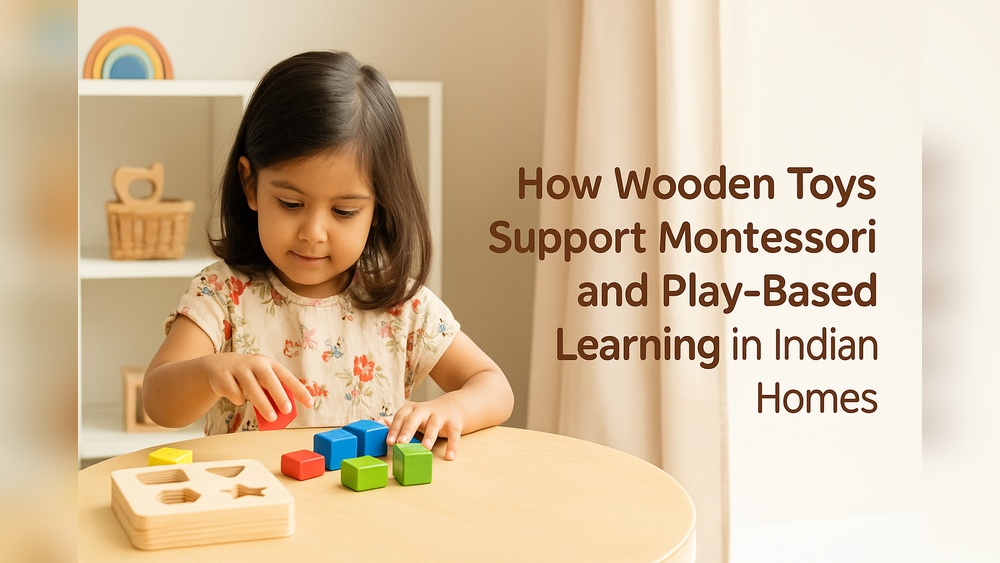
Have you ever wondered how your child’s favorite toys do more than just entertain? Toys are powerful tools that support your kid’s learning in surprising ways.
When your child plays, they’re not just having fun—they’re building important skills that shape their future. Imagine toys that boost creativity, problem-solving, and even social skills without your child even realizing it. Keep reading to discover how the right toys can turn playtime into a smart learning adventure for your little one.
Role Of Play In Child Development
Play is a natural way children learn about the world. It helps them understand new ideas and skills. Through play, kids explore their thoughts and feelings. They also practice talking and sharing with others. Play is not just fun; it is key to healthy growth.
With toys, play becomes more focused and creative. Toys encourage children to try new things and solve problems. This interaction builds their brain and social skills. Play shapes how kids think, feel, and connect with people.
Cognitive Growth Through Play
Play helps children develop thinking skills. Puzzles and building blocks teach problem-solving. Pretend play boosts imagination and creativity. Toys that need sorting or matching improve memory. These activities strengthen brain connections. Learning feels easy and fun during play.
Emotional Benefits Of Play
Playing helps children understand their feelings. They learn to express joy, anger, or fear safely. Toys provide comfort and a way to cope. Through play, kids gain confidence and self-control. Emotional skills grow stronger with regular playtime.
Social Skills And Interaction
Play teaches children how to work with others. Sharing toys builds kindness and patience. Group games show the importance of rules and teamwork. Talking during play improves language and listening. Social play helps children feel part of a community.

Credit: www.geomagworld.com
Types Of Educational Toys
Educational toys play a key role in children’s growth. They help kids learn skills while having fun. These toys come in many types, each supporting different learning areas. Choosing the right toy can boost a child’s development and creativity.
Building And Construction Sets
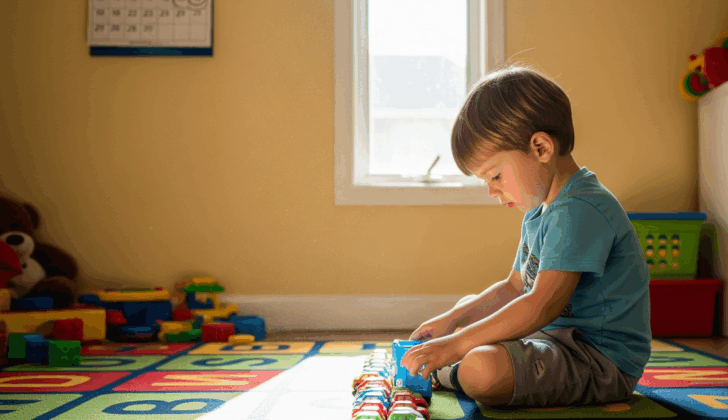
Building sets help children develop hand-eye coordination. Kids learn to plan and solve problems. These toys encourage creativity by letting children create various shapes and structures. Playing with blocks or bricks also improves spatial awareness.
Puzzles And Problem-solving Toys
Puzzles train the brain to think clearly. They enhance memory and concentration. Problem-solving toys challenge kids to find solutions. These toys teach patience and logical thinking in an enjoyable way.
Creative And Artistic Toys
Creative toys allow children to express themselves. Drawing, painting, or crafting boosts imagination. These toys improve fine motor skills through hands-on activities. Artistic play builds confidence and emotional skills.
Stem-focused Toys
STEM toys introduce science, technology, engineering, and math. They make learning these subjects fun and interactive. Kids experiment and explore real-world concepts. STEM toys prepare children for future education and careers.
Choosing Age-appropriate Toys
Choosing age-appropriate toys plays a key role in a child’s learning and growth. Toys that match a child’s age help develop skills and keep their interest alive. The right toys support creativity, problem-solving, and physical skills. Picking toys that fit a child’s stage makes playtime both fun and educational.
Developmental Milestones And Toy Selection
Children reach different milestones as they grow. Toys should fit these stages to aid development. For babies, soft toys and rattles encourage touching and hearing. Toddlers benefit from building blocks to improve hand-eye coordination. Older kids enjoy puzzles that boost thinking and memory. Matching toys to milestones helps children learn step by step.
Safety Considerations
Safety is crucial when choosing toys. Small parts can cause choking hazards for young children. Look for toys with smooth edges and non-toxic materials. Check labels for age recommendations and safety certifications. Safe toys allow kids to explore freely without risk. Always inspect toys regularly for damage or wear.
Encouraging Independence
Toys can help children learn to do things on their own. Simple puzzles and art supplies promote self-expression. Building sets teach problem-solving and planning. Role-play toys encourage decision-making and social skills. Choosing toys that foster independence builds confidence and curiosity. Kids grow more capable with every play session.

Credit: msehs.org
How Toys Enhance Learning Skills
Toys play a big role in how children learn and grow. They help kids develop important skills through fun and play. Different types of toys target different areas of learning. This helps children build a strong foundation for future growth. Understanding how toys enhance learning skills can guide parents in choosing the right toys for their kids.
Improving Fine And Gross Motor Skills
Toys help kids practice moving their hands and fingers. Building blocks, puzzles, and drawing tools improve fine motor skills. Larger toys, like balls and ride-ons, help develop gross motor skills. These activities strengthen muscles and improve coordination. Motor skills are important for everyday tasks and physical activity.
Boosting Language And Communication
Many toys encourage talking and listening. Storybooks, puppets, and talking toys help children learn new words. Playing with others promotes sharing ideas and expressing feelings. These interactions build strong language and communication skills. Good language skills support learning in school and social settings.
Stimulating Imagination And Creativity
Creative toys inspire children to think and imagine. Art supplies, dress-up clothes, and building sets encourage creative play. Kids create stories, solve problems, and explore new ideas. This type of play helps develop imagination and creative thinking. Creativity is important for problem-solving and innovation in life.
Role Of Caregivers In Play
Caregivers play a key role in how children learn through play. Their support helps children feel safe and confident. This support encourages kids to explore and try new things. Caregivers guide play without taking control. This balance helps children learn better and enjoy play more.
Understanding the caregiver’s role can improve how kids use toys for learning. Toys become tools for growth with the right guidance. Let’s explore how caregivers help in this important process.
Facilitating Guided Play
Caregivers can join play to guide learning gently. They ask questions and suggest ideas that spark thinking. Guided play helps kids focus and learn new skills. It keeps play fun but adds learning goals. This balance makes play both enjoyable and educational.
Encouraging Exploration
Caregivers encourage children to try different toys and activities. They allow children to make choices and discover on their own. Exploration builds curiosity and problem-solving skills. Giving freedom to explore helps children learn at their own pace.
Balancing Screen Time And Physical Play
Caregivers manage the time children spend on screens and physical toys. They set limits to keep playtime healthy and varied. Physical play improves movement and social skills. Screen time can support learning if used wisely. A good balance helps children grow strong in many ways.
Credit: mdsearchlight.com
Long-term Impact Of Play-based Learning
Play-based learning shapes children’s growth beyond childhood. It builds skills that last a lifetime. Through play, kids learn in ways that stick and grow with them. The effects of play reach far into their future. Understanding these long-term benefits helps parents and teachers support children’s development.
Building Problem-solving Abilities
Toys encourage children to think and try new ideas. They face challenges and find solutions on their own. This process sharpens their problem-solving skills. Kids learn to analyze, plan, and test their ideas. These skills help in school and everyday life. Play teaches them to handle problems calmly and confidently.
Fostering Lifelong Curiosity
Play sparks children’s natural curiosity and desire to explore. Toys invite questions and discovery through hands-on experience. This curiosity drives ongoing learning and creativity. Children who play actively stay eager to learn new things. Curiosity gained in play supports success in many areas later. It encourages a love for learning that never fades.
Supporting Emotional Resilience
Play helps children understand and manage emotions. Toys create safe spaces for expressing feelings and trying roles. Kids learn to cope with frustration, fear, and joy during play. This emotional practice builds strength to face real-life challenges. Resilient children handle stress better and recover from setbacks. Play nurtures emotional skills vital for healthy growth.
Frequently Asked Questions
How Do Toys Enhance Kids’ Learning Skills?
Toys stimulate creativity, problem-solving, and motor skills in children. They encourage hands-on learning and exploration. This active engagement boosts cognitive development and critical thinking abilities, making learning fun and effective.
What Types Of Toys Support Educational Play?
Educational toys like puzzles, building blocks, and interactive games promote learning. These toys develop spatial awareness, language skills, and logical thinking. They offer age-appropriate challenges that foster continuous growth and learning.
Can Toys Improve Social Skills In Children?
Yes, toys encourage sharing, cooperation, and communication among kids. Group play with toys builds empathy and teamwork. These social interactions help children develop essential interpersonal skills early on.
How Does Play With Toys Affect Brain Development?
Play activates multiple brain areas, enhancing memory, attention, and creativity. Toys provide sensory experiences that strengthen neural connections. This stimulation supports overall cognitive growth and emotional regulation in children.
Conclusion
Toys help children learn while having fun. They build skills like thinking, sharing, and moving. Playtime with toys sparks creativity and problem-solving. Kids also learn how to work with friends. Choosing the right toys supports a child’s growth. Parents can watch and join the play to guide learning.
Simple toys often teach the most important lessons. Play is not just fun; it’s a key part of learning. Encouraging play helps children grow strong and smart. Toys truly support learning in natural, joyful ways.
