
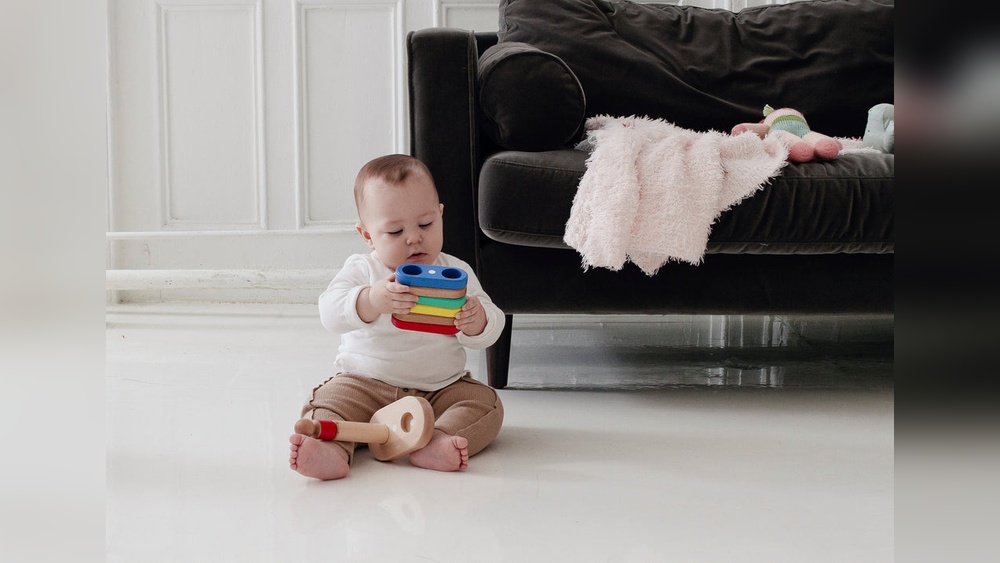
Have you ever wondered how the right toys can help your child play on their own, build confidence, and learn new skills? When kids engage in independent play, they explore their creativity and make decisions all by themselves.
But not all toys are created equal—some encourage this kind of growth more than others. You’ll discover how certain toys can spark your child’s imagination and support their ability to play independently. Keep reading to find out how you can choose toys that make a real difference in your child’s development.
Benefits Of Independent Play
Independent play helps children grow in many ways. It gives them space to explore and learn by themselves. Kids gain confidence and enjoy their own ideas. Toys that support this kind of play boost their skills quietly but powerfully.
Playing alone lets kids try new things without fear of mistakes. They learn to focus and solve problems at their own pace. This kind of play is important for healthy brain and emotional development.
Enhancing Creativity
Toys encourage children to use their imagination. They create stories and new worlds with simple objects. This free play helps kids think beyond what they see. Creative play builds original ideas and flexible thinking.
Without set rules, children feel free to experiment. They mix and match toys to invent unique games. This sparks their creativity and makes playtime exciting.
Building Problem-solving Skills
Independent play challenges kids to find solutions alone. Toys like puzzles or building blocks require thinking and planning. Kids learn cause and effect by trying different approaches.
Solving small problems boosts their confidence and patience. These skills help in school and everyday life. Kids become better at handling challenges without help.
Fostering Emotional Growth
Playing alone helps children understand their feelings. They learn to enjoy quiet time and self-reflection. Toys provide a safe way to express emotions during play.
Kids build independence and self-control. They feel proud of their achievements. Emotional growth from independent play supports a healthy mindset.

Credit: www.littlelifelonglearners.com
Types Of Toys That Encourage Solo Play
Toys play a big role in helping kids enjoy solo play. They provide chances for children to think, create, and solve problems alone. Different types of toys support these skills in unique ways. Below are some common toys that encourage independent play.
Open-ended Toys
Open-ended toys do not have a fixed way to play. Kids can use them in many ways. Examples include playdough, art supplies, and simple blocks. These toys let children use their imagination. They help kids explore ideas and express feelings.
Building Sets
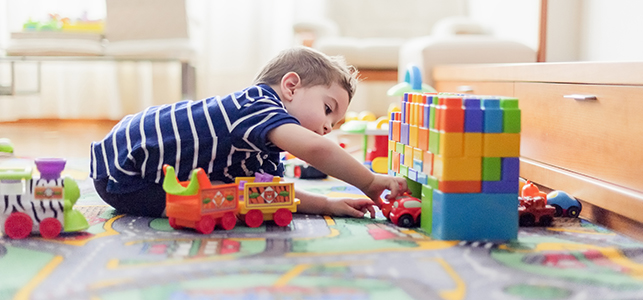
Building sets like LEGO or wooden blocks inspire kids to build and create. These toys help develop fine motor skills and patience. Children can follow instructions or invent their own designs. This type of play boosts problem-solving and planning skills.
Pretend Play Items
Pretend play toys include dolls, kitchen sets, and costumes. They encourage children to act out stories alone. This helps develop language and social skills. Kids learn to understand different roles and emotions through pretend play.
Choosing Age-appropriate Toys
Choosing age-appropriate toys plays a key role in supporting independent play. Toys that match a child’s age help them explore skills at their own pace. They keep children interested and safe while learning through play.
Age-appropriate toys encourage creativity and problem-solving. They guide children to try new activities without feeling frustrated. This helps build confidence and promotes self-reliance during playtime.
Developmental Milestones
Toys should match a child’s current abilities. For babies, soft blocks or rattles help develop motor skills. Toddlers benefit from simple puzzles and stacking toys that improve hand-eye coordination.
Preschoolers enjoy toys that boost imagination, like dress-up sets or building blocks. These toys challenge thinking and social skills. Matching toys to milestones supports steady growth and learning.
Safety Considerations
Safety is vital when selecting toys for independent play. Avoid small parts for young children to prevent choking. Check for non-toxic materials and sturdy construction.
Look for labels that confirm age suitability and safety tests. Safe toys give parents peace of mind and allow kids to explore freely. A safe play environment encourages confidence and independence.
Credit: www.chrichmond.org
Creating A Play-friendly Environment
Creating a play-friendly environment helps children explore toys on their own. It encourages imagination and problem-solving skills. A well-set space invites kids to enjoy independent play regularly.
Such an environment feels safe and welcoming. It gives children the freedom to choose and create without interruptions. This boosts their confidence and curiosity.
Designing Play Spaces
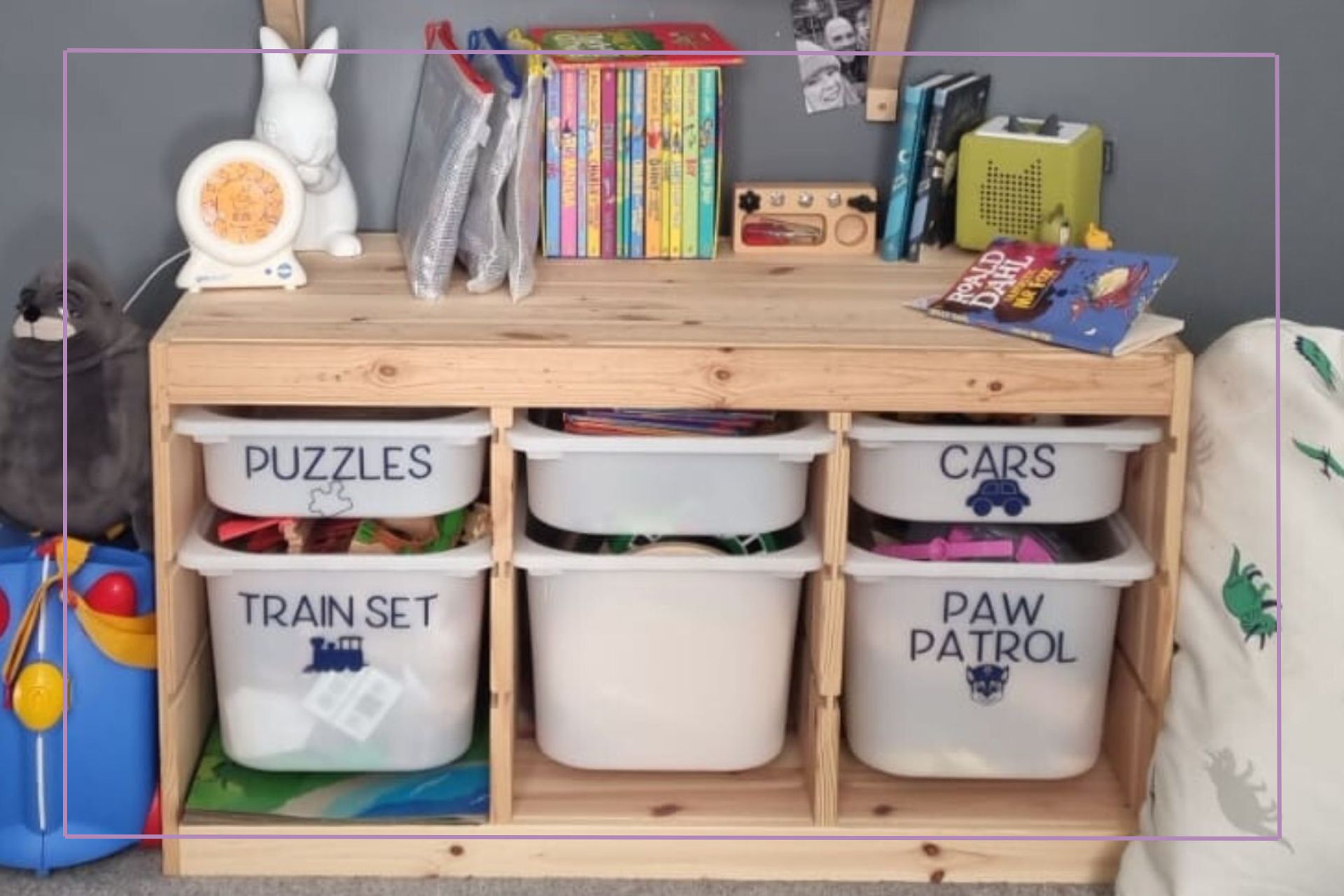
Arrange toys within easy reach of children. Use low shelves or bins to keep toys organized. Clear labels or pictures help kids find what they want quickly.
Choose a quiet corner or small room for play. A cozy space makes children feel secure and focused. Soft rugs or cushions add comfort and warmth.
Minimizing Distractions
Remove loud noises and busy decorations from the play area. This helps kids concentrate on their toys and ideas. Turn off TVs and keep electronic devices away.
Limit the number of toys available at once. Rotating toys keeps the space fresh and interesting. Too many options can overwhelm and distract children.
Parental Role In Supporting Independent Play
Parents play a key role in helping children enjoy independent play. They create a safe space for kids to explore toys on their own. This space allows children to learn and grow without constant guidance. Parents also know when to step in and when to step back. This balance helps children build confidence and creativity.
Balancing Supervision And Freedom
Parents must watch over kids but avoid controlling play too much. Too much control can stop children from trying new things. Too little supervision might lead to unsafe situations. Parents can set clear rules and give kids room to explore within them. This balance makes kids feel safe and free at the same time.
Encouraging Exploration
Parents should praise kids for trying new toys and ideas. Asking questions like “What are you building?” helps kids think deeply. Offering different toys also inspires creativity. Parents can join play occasionally but let kids lead. This support helps children enjoy learning and discover their interests.
Long-term Impact On Growth
Toys play a vital role in a child’s long-term growth. Independent play helps kids learn on their own. It builds skills that last into adulthood. Through play, children gain confidence and develop a love for learning. This foundation supports their future success and happiness.
Boosting Confidence
Independent play gives children a chance to try new things. They learn to solve problems by themselves. This process makes them feel capable and strong. Confidence grows as they complete tasks without help. This belief in themselves supports many areas of life.
Encouraging Lifelong Learning
Toys inspire curiosity and creativity. Kids explore ideas and practice skills during play. This habit of discovery encourages a love for learning. Children who enjoy learning play often do better in school. They keep seeking knowledge well into adulthood.
Credit: www.goodto.com
Frequently Asked Questions
How Do Toys Encourage Independent Play In Kids?
Toys stimulate imagination and creativity, helping kids play alone. They build problem-solving skills and boost confidence. Engaging toys hold attention, allowing children to explore independently and develop self-reliance.
What Types Of Toys Promote Independent Play?
Open-ended toys like building blocks, puzzles, and art supplies promote independent play. These toys encourage creativity, critical thinking, and decision-making, allowing kids to invent their own games and stories without constant guidance.
Why Is Independent Play Important For Child Development?
Independent play fosters cognitive, social, and emotional growth. It helps kids learn self-regulation, problem-solving, and creativity. This type of play builds confidence and prepares children for social interactions and academic challenges.
How Can Parents Support Independent Play With Toys?
Parents should provide age-appropriate, safe toys that interest their child. Create a dedicated play space and allow kids time alone. Encouraging exploration without interference helps children build independence and enjoy self-directed play.
Conclusion
Toys help children learn and grow on their own. They build confidence and creativity through play. Kids explore ideas and solve problems independently. Playtime becomes a chance to discover new skills. Parents can support by choosing simple, engaging toys. Independent play prepares kids for school and life.
It gives them space to think and imagine freely. Toys are more than fun; they shape young minds. Encouraging solo play helps kids become strong and happy. Let children enjoy their toys and learn at their own pace.
