
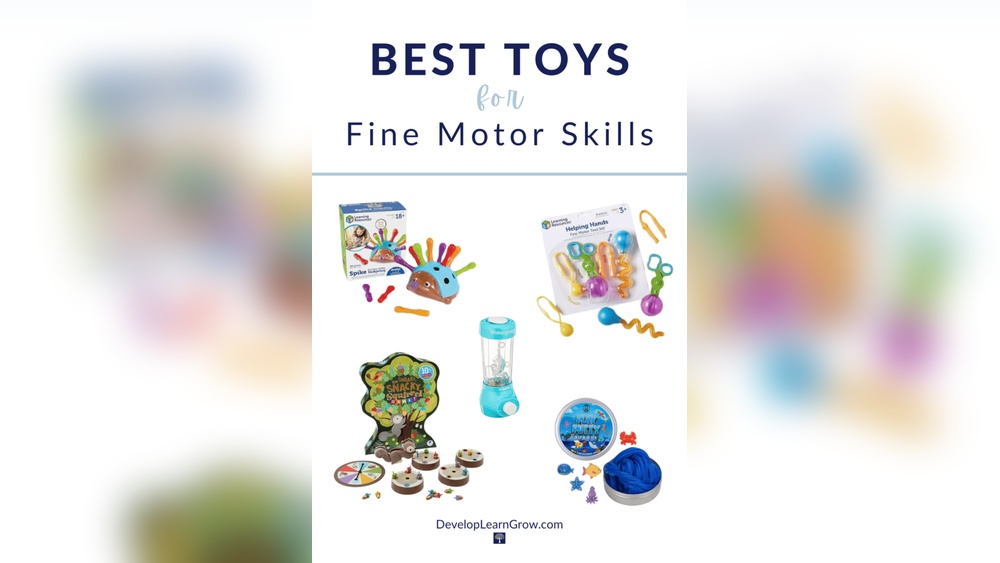
Have you ever wondered how the toys your child plays with can do more than just entertain? The right toys can actually help build your child’s fine motor skills—the small movements that make a big difference in their daily life.
From buttoning a shirt to holding a pencil, these skills are essential for independence and confidence. You’ll discover exactly how toys support these important abilities and which ones can make the biggest impact. Keep reading to unlock simple ways you can boost your child’s development through play.

Credit: www.whattoexpect.com
Role Of Fine Motor Skills
Fine motor skills help kids use their hands and fingers with control. These skills are key for many small actions. They allow children to explore and interact with the world around them. Toys play an important part in building these skills. They encourage practice of movements that improve hand-eye coordination and finger strength.
Developing fine motor skills early sets a strong base for future learning and independence. Kids gain confidence as they master tasks that need precision. Playing with the right toys makes this process fun and natural.
Key Movements Involved
Fine motor skills involve several important movements. Grasping means holding objects tightly. Pinching uses the thumb and one finger to pick up small items. Twisting and turning help with manipulating toys and tools. These movements require muscles to work together smoothly. Toys like building blocks, puzzles, and crayons support these actions. They challenge children to use different grips and motions.
Importance In Daily Activities
Kids use fine motor skills in daily life tasks. Eating with a spoon, buttoning clothes, and writing are common examples. These skills make children more independent. They also improve concentration and patience. Toys that develop fine motor skills help children handle everyday tools easily. Practicing these skills through play prepares kids for school and daily routines.
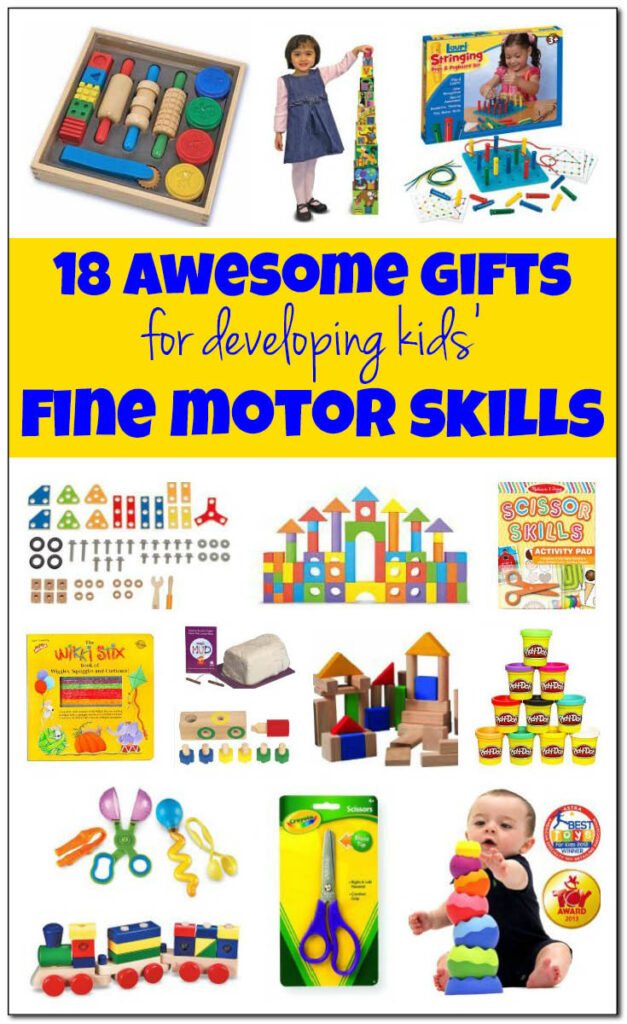
Credit: www.giftofcuriosity.com
Types Of Toys That Help
Toys play a big role in helping kids develop fine motor skills. These skills involve small movements using the hands and fingers. Choosing the right toys encourages children to practice these movements. Different types of toys target different skills.
Below are some popular types of toys that support fine motor development in kids.
Building And Construction Toys
Building toys like blocks and LEGO sets help improve hand-eye coordination. Kids learn to grasp, stack, and connect pieces. This practice strengthens finger muscles and precision. These toys also encourage creativity and problem-solving.
Art And Craft Supplies
Using crayons, scissors, glue, and paintbrushes develops hand control. Craft activities improve dexterity through cutting, coloring, and pasting. These supplies allow kids to explore textures and shapes. Art projects boost creativity while building fine motor skills.
Puzzles And Manipulative Toys
Puzzles require fitting pieces together with careful finger movements. Manipulative toys like beads, buttons, and lacing cards improve finger strength. These toys encourage focus and patience. They help kids learn to handle small objects with care.
Musical Instruments
Playing instruments such as keyboards, drums, or xylophones develops finger agility. Kids practice pressing keys or striking surfaces with control. Music toys enhance timing and rhythm alongside fine motor skills. They provide fun ways to improve hand coordination.
How Toys Enhance Development
Toys play a key role in a child’s fine motor skill growth. They offer fun ways to practice small movements. These movements build strength and control in hands and fingers. Toys also help children learn to use both hands together. This support helps children gain confidence and skill in daily tasks.
Choosing the right toys encourages active learning. It challenges kids to focus and coordinate their actions. This process boosts their overall development in a natural way.
Improving Hand-eye Coordination
Toys like puzzles and building blocks require children to match their hand movements with what they see. This activity trains their eyes and hands to work as a team. It helps children better judge distances and positions. This skill is important for writing, drawing, and sports.
Strengthening Finger Dexterity
Small toys such as beads, buttons, or shape sorters encourage children to use their fingers in precise ways. These actions strengthen finger muscles and improve control. Kids learn to pick up, hold, and manipulate objects carefully. This ability supports tasks like tying shoes and using utensils.
Encouraging Bilateral Hand Use
Toys that require both hands help children practice using their hands together. Activities like clapping games or rolling a ball engage both sides of the body. This coordination improves balance and motor planning. Using both hands equally is important for writing and many daily skills.
Choosing The Right Toys
Choosing the right toys is key to helping kids develop fine motor skills. Toys should match a child’s age and abilities. The right toys keep children interested and challenged. This support helps improve hand-eye coordination, finger strength, and control. Parents and caregivers should consider several factors before buying toys for skill building.
Age-appropriate Options
Toys must suit the child’s age to be effective and safe. Younger children need larger pieces that are easy to grasp. Toddlers benefit from toys that encourage simple movements like stacking or squeezing. Older kids enjoy toys that require more precise actions, such as puzzles or building sets. Age-appropriate toys prevent frustration and promote steady skill growth.
Materials And Safety
Choose toys made from safe, non-toxic materials. Smooth edges and sturdy designs reduce injury risks. Toys made from wood, BPA-free plastic, or soft fabric work well. Avoid small parts that could cause choking. Safe toys allow children to explore freely and build skills without danger.
Adaptability For Skill Levels
Toys that grow with the child offer lasting benefits. Adjustable features or multiple difficulty levels keep children engaged. For example, blocks that connect in many ways or puzzles with varied piece counts. Adaptable toys help kids improve gradually and build confidence in their abilities.
Tips For Parents And Caregivers
Parents and caregivers play a key role in helping children develop fine motor skills. Toys can be great tools for this growth. Choosing the right toys and guiding play can make a big difference. Below are some simple tips to support your child’s motor skills development through play.
Creating Engaging Playtime
Choose toys that match your child’s age and interests. Toys like blocks, puzzles, and beads encourage hand-eye coordination. Make playtime fun and varied to hold their attention. Use different textures and shapes to challenge small muscles. Join your child in play to show how to use toys. Praise their efforts to build confidence and keep them motivated.
Incorporating Play Into Routine
Set a regular time for play each day. Short sessions work better than long ones. Use play as a break from other activities. Include toys during meal prep or bath time for extra practice. Keep toys within easy reach to encourage independent play. Consistent play helps children improve skills faster and enjoy learning.
Monitoring Progress And Challenges
Watch how your child handles different toys. Notice if they struggle with certain tasks or lose interest quickly. Adjust toy choices to match their current skill level. Celebrate small improvements to boost motivation. If challenges persist, consider asking a professional for advice. Tracking progress helps you support your child better and keeps playtime effective.
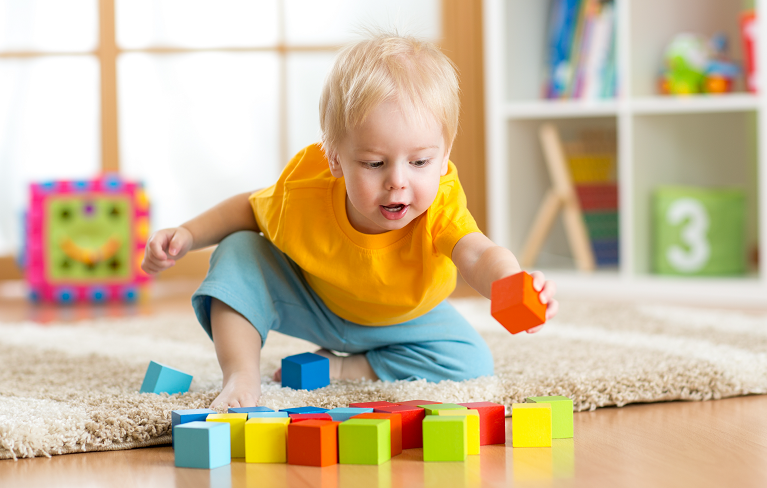
Credit: aepsinteractive.com
Signs Of Fine Motor Delay
Recognizing signs of fine motor delay early helps support a child’s development. Fine motor skills involve small movements using hands and fingers. These skills are important for tasks like writing, buttoning clothes, and using utensils. Delays can affect daily life and learning. Knowing the signs helps parents and caregivers act quickly.
Common Indicators
Children with fine motor delay may struggle to hold small objects. They might drop toys often or have trouble stacking blocks. Difficulty using crayons or pencils is another sign. Trouble buttoning shirts or tying shoelaces can also appear. Some kids avoid activities that need hand coordination. Slow progress in hand skills compared to peers is common.
When To Seek Professional Help
Seek help if a child shows these signs after age two. If they can’t grasp toys or use fingers well, consult a specialist. Delays in self-care tasks like feeding or dressing also need attention. Occupational therapists can assess and support fine motor skills. Early intervention improves outcomes and builds confidence. Don’t wait if you feel concerned about your child’s progress.
Frequently Asked Questions
How Do Toys Improve Kids’ Fine Motor Skills?
Toys encourage hand-eye coordination and finger strength. Manipulating small parts helps kids develop precise movements. These skills are essential for writing, buttoning, and daily tasks.
Which Toys Best Support Fine Motor Development?
Building blocks, puzzles, and bead stringing toys are ideal. They challenge children to grasp, pinch, and manipulate objects. These activities strengthen hand muscles and improve dexterity.
At What Age Should Fine Motor Toys Be Introduced?
Fine motor toys can be introduced from 6 months onward. Age-appropriate toys help babies explore grasping and manipulation. Gradually, complexity increases to match skill development.
Can Toys Enhance Hand-eye Coordination In Children?
Yes, toys that require aiming or stacking boost hand-eye coordination. These activities improve visual tracking and precise hand movements. Better coordination supports learning and play skills.
Conclusion
Toys play a key role in helping kids develop fine motor skills. They encourage hand-eye coordination and finger strength. Playing with toys builds confidence and creativity. Small movements become easier with regular practice. Parents and teachers can guide kids to choose the right toys.
Simple tools like blocks, puzzles, and drawing kits work well. These activities make learning fun and effective at the same time. Supporting fine motor skills early helps kids succeed in school and daily life. Toys are more than just fun—they are tools for growth.
