
Have you ever noticed how your toddler’s eyes light up when they play with blocks or shape sorters? These simple toys do more than just entertain—they help your little one understand the world around them.
When your child stacks, fits, or moves toys, they’re learning about space, distance, and how things relate to each other. Imagine giving your toddler a head start in grasping these important skills, all through play. Keep reading to discover how the right toys can boost your child’s understanding of space and set the foundation for their growth.
Role Of Toys In Spatial Skills
Toys play an important role in helping toddlers learn about space. They teach children how objects fit and move in the world around them. Through play, toddlers begin to understand directions, shapes, and sizes. This helps build their spatial skills, which are important for daily tasks and learning.
Using toys, toddlers explore how things connect and relate to each other. They start to see patterns and develop a sense of distance and position. These early experiences lay the foundation for skills like reading maps, solving puzzles, and even math.
Types Of Toys That Enhance Space Awareness
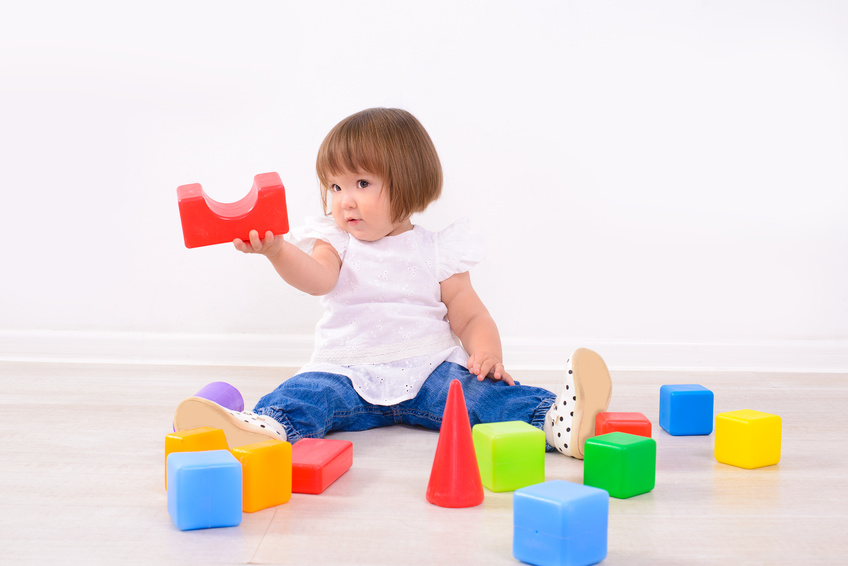
Blocks and building sets help toddlers learn about shapes and balance. They see how pieces fit together and how to create structures. Shape sorters teach children to match shapes and understand space.
Puzzles improve hand-eye coordination and help kids recognize how parts form a whole. Toys with moving parts, like cars or trains, show how objects move through space. Stacking rings and nesting cups teach size order and spatial order.
How Play Builds Spatial Reasoning
Play lets toddlers experiment with space and movement. They learn by trying different ways to place or move toys. This trial and error helps them understand cause and effect.
Through play, toddlers practice visualizing objects in their minds. They imagine how something will fit or move before doing it. This mental practice strengthens spatial thinking.
Playing with toys also improves memory for shapes and positions. Children remember how parts connect and use this knowledge in new situations. This builds stronger spatial reasoning skills over time.
Credit: www.walmart.com
Key Spatial Concepts For Toddlers
Learning about space helps toddlers understand the world around them. Toys play a big role in teaching key spatial concepts. These ideas help children see how objects relate to each other. Toys make learning these ideas fun and easy for toddlers.
Shapes And Sizes
Toddlers learn to recognize different shapes through toys. Blocks, puzzles, and sorting games show shapes like circles, squares, and triangles. Toys also teach size differences. Kids compare big and small objects. This helps them sort and organize items by size and shape.
Positions And Directions
Position words like “in,” “on,” and “under” are important for toddlers. Toys help children understand where things are placed. For example, stacking cups show “on top” and “under.” Moving toys in different directions teaches “left,” “right,” “up,” and “down.” These concepts guide how toddlers explore space.
Distance And Depth
Toys help toddlers sense how far or near objects are. Throwing balls or rolling cars show distance in action. Playing with stacking toys shows depth and height. These experiences build an early understanding of space dimensions. Toddlers begin to judge how close or far things are.
Interactive Play Techniques
Interactive play helps toddlers learn about space by using toys and actions. It lets children explore shapes, sizes, and distances with their own hands. Playing actively helps toddlers understand how objects move and fit in space. It also builds their thinking and motor skills.
Encouraging Exploration
Let toddlers touch and move toys freely. This helps them learn how objects relate in space. Offer blocks, puzzles, and stacking cups for hands-on play. Ask simple questions like “Where does this fit?” to guide their thinking. Exploration builds curiosity and spatial awareness.
Using Toys For Problem Solving
Choose toys that require fitting parts together. Puzzles and shape sorters work well for this. Toddlers try different ways to solve the challenge. This teaches them about shapes, size, and position. Problem solving grows their ability to understand space deeply.
Incorporating Movement And Gesture
Move toys around and ask toddlers to copy you. Use gestures like pointing or stacking to show ideas. Moving toys in different directions teaches about distance and direction. This active play links physical movement to spatial learning.
Selecting Toys For Spatial Learning
Selecting toys for spatial learning helps toddlers explore shapes, sizes, and space. Toys that encourage hands-on play support brain development. They teach toddlers how objects fit and move in space. Choosing the right toys builds strong spatial skills early. These skills aid in problem-solving and math later.
Building Blocks And Puzzles
Building blocks let toddlers stack and connect pieces. This play improves hand-eye coordination and spatial awareness. Puzzles show how parts fit to form a whole image. Toddlers learn to recognize shapes and patterns. Both toys promote critical thinking and concentration.
Stacking And Sorting Toys
Stacking toys help toddlers understand size and balance. Sorting toys teach them to group objects by color or shape. These toys strengthen fine motor skills and visual discrimination. Toddlers practice organizing and comparing objects. This boosts early math and spatial reasoning.
Ride-on And Push Toys
Ride-on and push toys encourage movement and spatial judgment. Toddlers navigate around obstacles, learning distance and direction. These toys develop coordination and body awareness. Moving while playing helps toddlers connect physical space with mental maps.
Benefits Beyond Spatial Skills
Toys do more than teach toddlers about space. They help children grow in many ways. Playing with toys builds skills that last a lifetime. These skills go beyond just understanding shapes and sizes.
Boosting Creativity And Imagination
Toys encourage children to think in new ways. They create stories and imagine new worlds. This play helps develop creative thinking. Toddlers learn to solve problems with fresh ideas. Their minds become more flexible and open.
Enhancing Motor Skills
Handling toys improves hand-eye coordination. Toddlers practice grasping, moving, and stacking. These actions build strong muscles and control. Fine motor skills grow as children play. This helps with writing, drawing, and daily tasks.
Supporting Social Interaction
Playing with toys often involves other children. Toddlers learn to share and take turns. They develop communication skills through play. Social skills grow as they work with peers. These early lessons help build friendships.

Credit: www.amazon.com
Tips For Parents And Caregivers
Toys play a big role in helping toddlers learn about space. Parents and caregivers can guide this learning well. Simple steps can make playtime both fun and educational. Here are some tips to support toddlers in understanding space through play.
Creating A Stimulating Play Environment
Set up a safe space where toddlers can explore freely. Use toys that encourage movement and discovery. Blocks, puzzles, and shape sorters work well. Bright colors and different textures catch attention. Rotate toys often to keep interest high. A well-organized area invites children to play and learn.
Balancing Guided And Free Play
Join your child during play but avoid controlling it. Show how to use toys but let them try on their own. Ask simple questions like “Where does this block fit?” Give space for imagination and problem-solving. Free play helps toddlers explore ideas at their own pace. Guided play offers gentle support and new challenges.
Observing And Supporting Progress
Watch how toddlers interact with toys closely. Notice how they stack, sort, or move objects. Celebrate small successes to build confidence. Offer new toys that match their growing skills. Use playtime to talk about shapes, sizes, and positions. This helps deepen their understanding of space concepts.
Credit: prek-math-te.stanford.edu
Frequently Asked Questions
How Do Toys Improve Toddlers’ Spatial Awareness?
Toys help toddlers recognize shapes, sizes, and positions. Playing with blocks or puzzles enhances their ability to judge distance and orientation. This hands-on learning promotes spatial reasoning skills crucial for problem-solving and daily tasks.
What Types Of Toys Aid Space Understanding?
Building blocks, shape sorters, and puzzles are ideal. These toys encourage toddlers to explore spatial relationships by stacking, fitting, and arranging pieces. Such activities boost their cognitive development and spatial intelligence.
When Should Toddlers Start Playing With Spatial Toys?
Toddlers can begin interacting with simple spatial toys around 12 months. Early exposure helps develop their hand-eye coordination and spatial thinking. Gradually, more complex toys can be introduced as their skills grow.
Why Is Spatial Understanding Important For Toddlers?
Spatial skills support math, reading, and problem-solving abilities. Early development of these skills enhances a toddler’s learning capacity and confidence. Toys make this learning engaging and effective for young children.
Conclusion
Toys play a big role in helping toddlers learn about space. They explore shapes, sizes, and how things fit together. Playing with toys builds their understanding of distance and position. Toddlers also develop problem-solving skills through hands-on play. This early learning sets a strong base for later skills.
Parents and caregivers can support growth by offering various toys. Fun and learning go hand in hand during playtime. Simple toys can teach complex ideas in a natural way. The right toys help toddlers see and understand their world better.
