
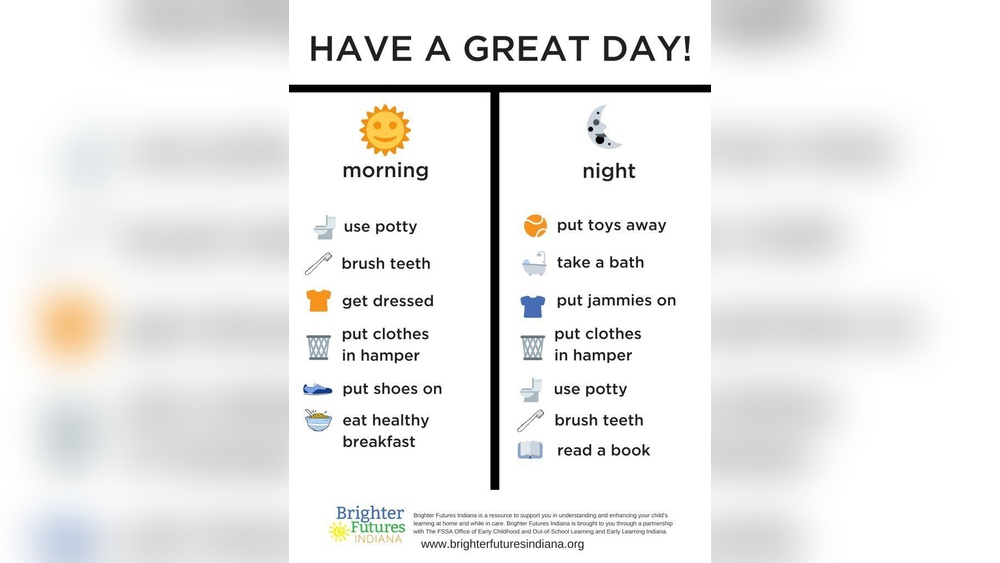
Do you ever wonder how your toddler learns to follow daily routines without constant reminders? Toys might be the secret tool you’re overlooking.
They do more than just entertain—they help your little one understand what comes next in their day. Imagine your child feeling calm and confident because they know what to expect. Keep reading to discover how the right toys can turn confusing routines into smooth, happy moments for both of you.
Credit: www.walmart.com
Role Of Toys In Toddler Learning
Toys play a big role in how toddlers learn about their daily routines. Through play, toddlers begin to understand the order of activities and what to expect next. Toys help make routines clear and fun. They give toddlers a way to practice skills and feel more confident in their day.
Using toys, toddlers explore, imitate, and remember routine steps. This hands-on learning helps them grasp concepts faster. The right toys can support many areas of growth. From thinking skills to emotions, toys guide toddlers as they learn about their world.
Toys As Learning Tools
Toys act as simple tools for teaching toddlers. They help explain routines like brushing teeth or getting dressed. Dolls, toy kitchens, and blocks show steps in a clear way. Toddlers copy what they see and do with toys. This practice builds memory and understanding.
Enhancing Cognitive Skills
Playing with toys helps toddlers think and solve problems. Puzzles and sorting games teach cause and effect. Toddlers learn to plan and make decisions. These skills are important for following routines. Toys also improve attention and focus during tasks.
Promoting Emotional Growth
Toys support toddlers in expressing feelings and managing emotions. Role-play with dolls or stuffed animals helps practice empathy. Toddlers learn patience and sharing through play. Toys create a safe space for trying new emotions. This emotional learning helps toddlers stay calm during changes in routine.
Toys That Support Routine Building
Toys can help toddlers learn and follow daily routines. They make tasks fun and clear. Using the right toys, children understand what to do next. This builds good habits early. Routines feel less confusing and more like play.
Choosing toys that support routine building helps toddlers feel safe. They learn steps by doing them repeatedly. These toys guide children through daily activities. They can include dressing, brushing teeth, or cleaning up.
Interactive Toys For Daily Tasks
Interactive toys let toddlers practice daily chores. Toys like pretend kitchen sets or toy toothbrushes work well. They encourage children to mimic real-life actions. This hands-on play builds memory and skills. Toddlers enjoy learning through doing.
Visual Aids And Timers
Visual aids show toddlers what to do and when. Picture charts or routine cards are simple to use. Timers help children understand time limits. They create a clear start and end for tasks. These tools make routines easier to follow.
Routine-based Playsets
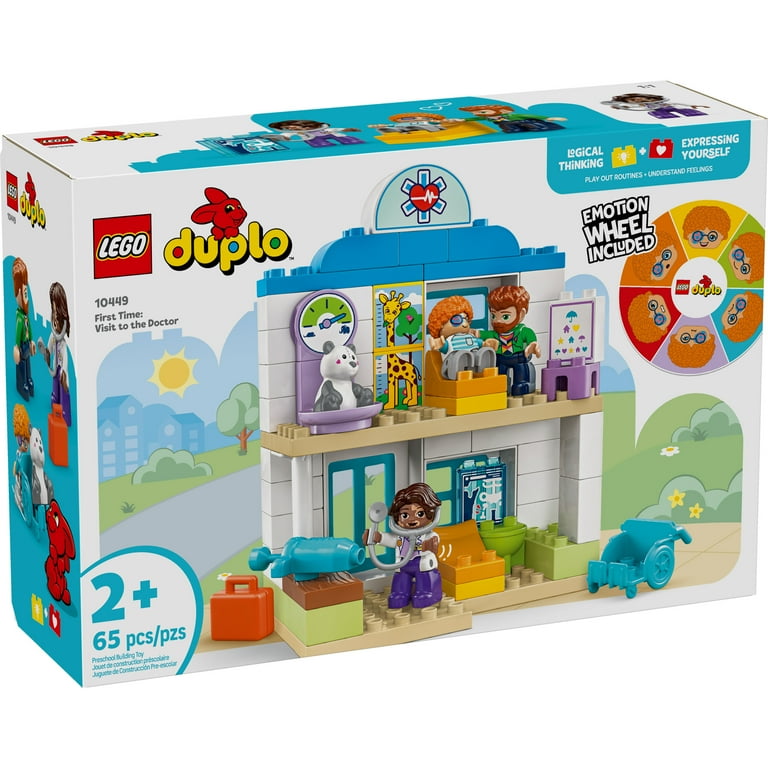
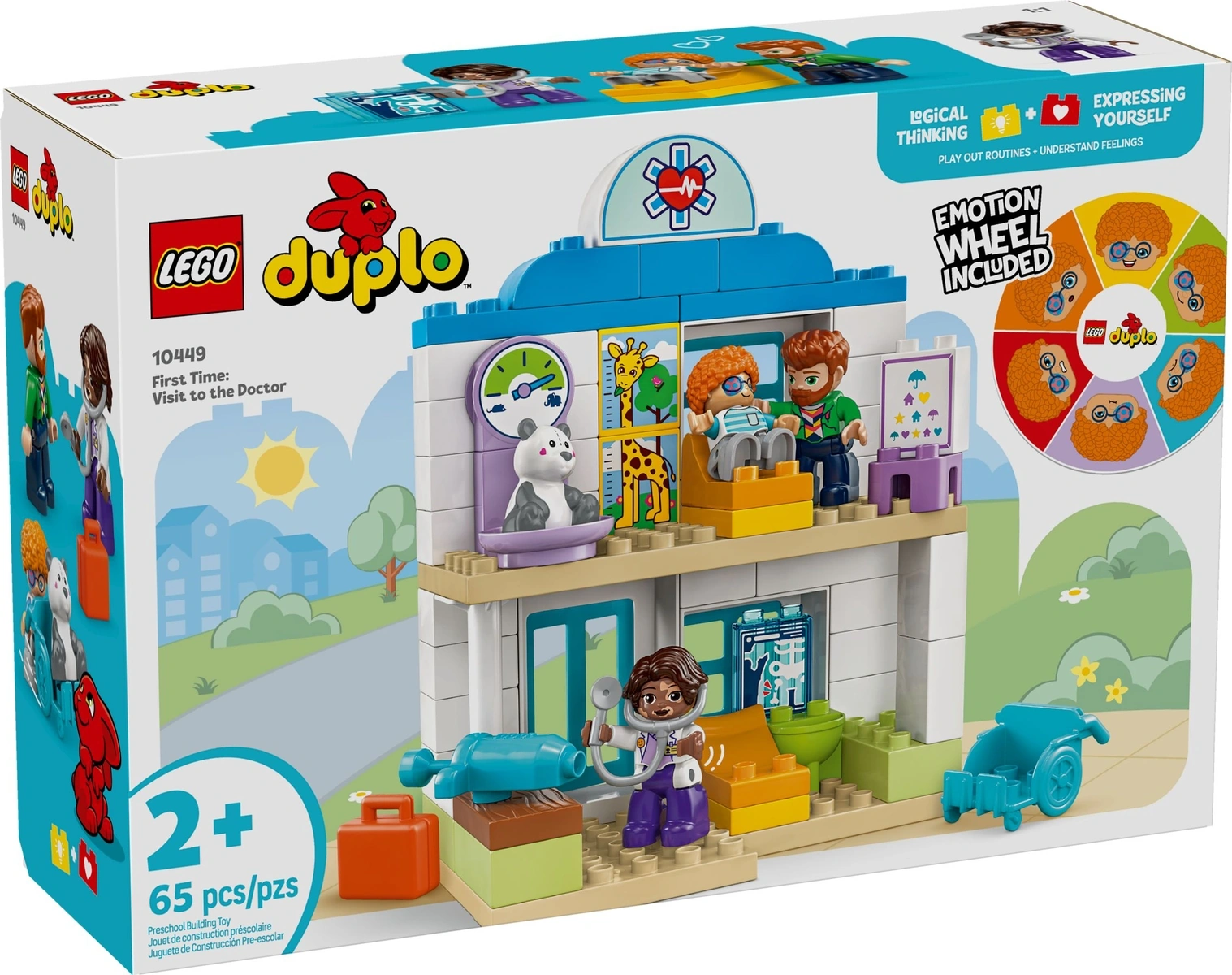
Playsets designed for routines make learning natural. Dollhouses or doctor kits teach daily sequences. Children act out familiar situations with toys. This practice supports understanding of real-life routines. Playsets keep toddlers engaged and focused.
Boosting Routine Recognition Through Play
Toys play a key role in helping toddlers learn daily routines. They make routines clear and fun. Play helps children see what comes next in their day.
Toys create a simple way to repeat tasks. Toddlers begin to expect what happens next. This builds a strong sense of routine.
Repetition And Familiarity
Toddlers need to hear and see the same actions often. Toys that mimic daily activities help. For example, a toy toothbrush shows bedtime steps. Repeating play with these toys makes routines familiar. This helps toddlers feel safe and ready.
Encouraging Independence
Toys give toddlers chances to practice alone. Pretend play sets, like kitchen tools or dress-up clothes, work well. Kids try tasks by themselves during play. This builds confidence to do real routines. Independence grows as toddlers feel proud of their skills.
Positive Reinforcement With Toys
Rewarding play boosts routine learning. Toys that respond with sounds or lights encourage toddlers. They learn good habits by playing with these toys. Praise and smiles during play also help. Positive feelings make toddlers want to follow routines.
Choosing The Right Toys For Toddlers
Choosing the right toys for toddlers supports their learning of daily routines. Toys that match their needs help build good habits and make routines fun. Thoughtful choices encourage toddlers to explore and understand the world around them. Careful selection also ensures safety and keeps toddlers interested in playing and learning.
Age-appropriate Options
Toys should match the toddler’s age and skill level. Younger toddlers need simple toys with big parts that are easy to handle. Older toddlers can enjoy toys with more details and challenges. Age-appropriate toys help toddlers stay safe and avoid frustration. These toys support development and encourage learning at the right pace.
Safety Considerations
Safety is the top priority when choosing toys. Avoid small parts that toddlers can swallow. Choose toys made from non-toxic materials. Check for sharp edges or loose pieces. Toys should be sturdy and durable to withstand rough play. Safe toys help parents feel confident and keep toddlers protected.
Engagement And Interest Factors
Toys that capture a toddler’s interest keep them engaged longer. Bright colors, different textures, and sounds attract attention. Toys that relate to daily routines, like pretend kitchen sets, encourage learning. Interactive toys invite toddlers to explore and play actively. Choosing toys that fit a toddler’s preferences helps build routine skills naturally.
Tips For Parents To Maximize Learning
Helping toddlers learn routines is easier with the right approach. Parents play a key role in making learning fun and clear. Using toys can make daily habits more understandable and enjoyable for little ones. Here are some simple tips to help parents use toys to boost routine learning.
Incorporating Toys Into Daily Schedules
Choose toys that fit daily activities. For example, use a toy clock to show when it is time to eat or sleep. Let toddlers play with these toys during those moments. This helps connect the toy with the routine step. Repeating this often builds strong habits.
Modeling Routine Behaviors
Show your child how to use toys as part of routines. Pretend to brush a doll’s teeth or dress a stuffed animal. Let your toddler copy your actions. This makes learning clear and encourages practice. Kids learn best by watching and doing.
Creating Consistent Play Environments
Keep play areas the same each day. Use the same toys in the same spots. Consistency helps toddlers feel safe and understand what to expect. A familiar space makes routine learning easier and less confusing. It also helps focus their attention on the toys and tasks.
Credit: brickipedia.fandom.com

Credit: geppettostoys.com
Frequently Asked Questions
How Do Toys Teach Toddlers Daily Routines?
Toys simulate daily activities, helping toddlers recognize and remember routines. Playing with specific toys creates consistent patterns, making routines easier to follow and understand.
What Types Of Toys Help With Routine Learning?
Role-play toys like kitchen sets and dolls encourage toddlers to mimic daily tasks. These toys promote understanding of morning, mealtime, and bedtime routines through interactive play.
Why Is Play Important For Toddler Routine Development?
Play engages toddlers actively, making learning routines fun and memorable. It boosts cognitive skills and helps children grasp the sequence of daily activities naturally.
How Can Parents Use Toys To Reinforce Routines?
Parents can incorporate toys into routine times, like brushing teeth or dressing up. This makes routines enjoyable and motivates toddlers to participate consistently.
Conclusion
Toys make learning daily routines easier and fun for toddlers. They help children know what to expect next. Repetition with toys builds good habits naturally. Toddlers feel more confident and safe with clear routines. Parents can use toys to guide their child’s day.
Small steps with toys lead to big progress in routine skills. Simple tools, big help. A happy toddler means a smoother day for everyone.
