
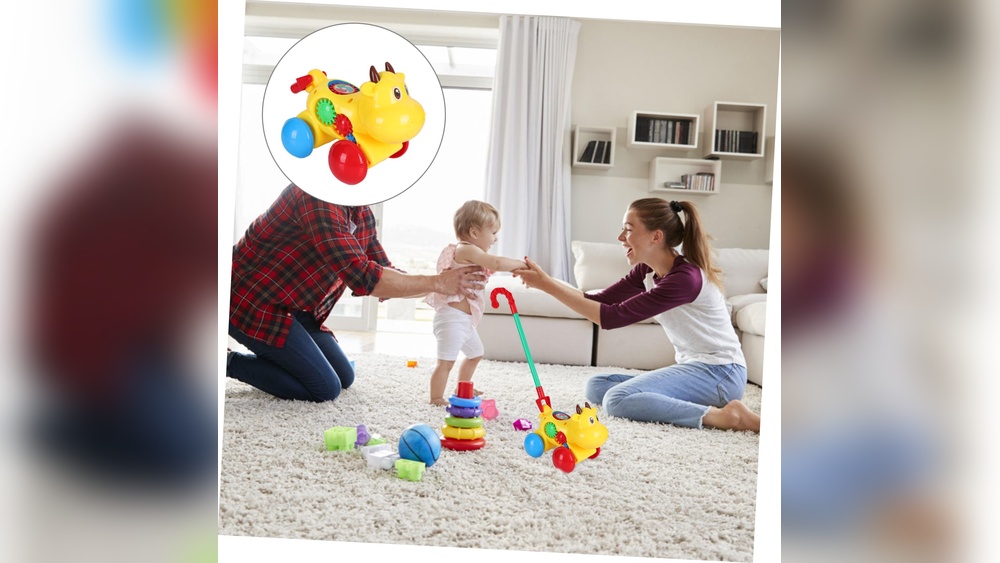
Learning to walk is a big milestone for your toddler, and toys can play a surprising role in making this journey easier and more fun. You might not realize it, but the right toys can encourage your little one to take those first steps confidently.
If you want to know how toys can turn walking practice into an exciting game for your toddler, keep reading. This article will show you simple ways to use toys that support balance, coordination, and motivation—helping your child move from crawling to walking with joy.
Role Of Toys In Toddler Walking
Toys play an important role in helping toddlers learn to walk. They make the process fun and safe. Toys motivate toddlers to move and try new steps. This support builds their confidence and balance.
Using the right toys can guide toddlers to practice walking more often. Toys also help them develop important skills for walking. They keep toddlers interested and active during practice.
Encouraging Movement
Toys attract toddlers to move toward them. Bright colors and sounds catch their attention. Push toys give toddlers something to hold and lean on.
These toys help toddlers take small steps while feeling steady. Ride-on toys encourage toddlers to use their legs and feet. This creates more chances to practice walking in a playful way.
Stimulating Motor Skills
Toys also help toddlers develop motor skills needed for walking. Grabbing, pushing, and pulling toys improve hand and arm strength. Balancing toys teach toddlers how to stay upright.
Playing with different shapes and sizes helps toddlers understand space and movement. This makes walking feel easier and more natural. Motor skills grow with repeated play and practice.

Credit: www.vegab.pl
Types Of Toys That Aid Walking
Toys play a big role in helping toddlers learn to walk. Different types of toys encourage movement and balance. They also build confidence in little ones trying to stand and step. Some toys offer support, while others invite toddlers to take steps toward fun and exploration.
Choosing the right toys helps toddlers practice walking safely. These toys motivate children to move and improve coordination. Here are some common types of toys that aid walking.
Push And Pull Toys
Push and pull toys give toddlers a steady support to hold on to. They encourage toddlers to stand and take steps while pushing or pulling the toy. These toys often have wheels and handles for easy grip. Toddlers learn balance and strength as they move with these toys. They also develop hand-eye coordination and motor skills.
Ride-on Toys
Ride-on toys help toddlers practice walking by promoting leg movement. Toddlers can sit and push with their feet or walk alongside while holding the toy. These toys improve leg muscles and coordination. Ride-on toys make walking practice fun and engaging for toddlers.
Interactive Floor Toys
Interactive floor toys invite toddlers to crawl, stand, and take steps. These toys often have buttons, lights, or sounds that encourage movement. Toddlers reach, grasp, and move toward the toy. This activity builds balance and walking skills. Interactive floor toys also stimulate curiosity and learning.
Boosting Balance Through Play
Toys play a big role in helping toddlers learn to walk. They make practice fun and safe. Toddlers develop balance by reaching, stepping, and holding on. Playtime encourages them to try new movements.
Using toys, toddlers improve their body control. This helps them stay steady on their feet. Balance is a key skill for walking well and avoiding falls.
Improving Coordination
Toys help toddlers move their hands and feet together. Pushing a toy encourages stepping and hand use at the same time. This coordination builds smooth walking patterns.
Picking up and putting down toys teaches timing and control. Toddlers learn to adjust steps and balance as they play. Coordination grows with every attempt.
Building Core Strength
Strong muscles in the belly and back support balance. Toys that require pulling, pushing, or reaching help these muscles. Core strength helps toddlers keep upright and steady.
Playing with ride-on toys or standing activity centers builds core muscles. This strength is needed for walking longer distances. A strong core means better control and confidence.

Credit: www.amazon.com
Enhancing Confidence With Toys
Toys play a big role in helping toddlers feel sure about walking. They give kids reasons to move and try new steps. This builds their trust in their own feet and skills.
With toys, walking becomes fun. Toddlers want to reach, push, or chase their favorite toy. This joy helps them keep trying without fear of falling.
Positive Reinforcement
Toys reward toddlers with sounds, lights, or movement. These rewards show kids they did a good job. This makes toddlers want to walk more often.
Small successes build big confidence. Each time a toy reacts, toddlers feel proud. They learn walking leads to fun results.
Safe Exploration
Toys create a safe space for toddlers to explore walking. They encourage kids to test their limits slowly.
Walking toys often support balance and provide steady hold. Toddlers can try walking steps with less risk of falling.
Exploring near toys helps toddlers discover new ways to move. This safe play grows their confidence step by step.
Tips For Choosing The Right Toys
Choosing the right toys helps toddlers practice walking safely and happily. Toys that match their needs encourage balance and confidence. Careful selection supports their growth and keeps playtime fun.
Age-appropriate Options
Select toys designed for toddlers around 9 to 18 months. These toys usually have sturdy handles and wide bases for support. Push toys with wheels are great for helping toddlers take steps. Avoid toys that are too small or complex. Age-appropriate toys match toddlers’ strength and skills. They challenge toddlers just enough without causing frustration.
Safety Considerations
Choose toys made from non-toxic materials. Check that toys have no sharp edges or loose parts. Avoid toys with small pieces that can be choking hazards. Make sure wheels roll smoothly without getting stuck. Stable toys prevent falls and injuries during walking practice. Supervise toddlers to ensure they use toys safely. Safety makes learning to walk a positive experience.

Credit: espacioeslava.com
Incorporating Toys Into Daily Routine
Incorporating toys into a toddler’s daily routine helps them practice walking naturally. Toys encourage movement and make walking fun. Toddlers feel motivated to stand, step, and explore when toys catch their attention. Parents can use toys to create small moments of active play throughout the day. This builds strength and balance in a gentle way.
Choosing the right toys is important. Look for toys that are safe, easy to hold, and stable. Push toys, ride-ons, and soft balls invite toddlers to move more. Placing toys just out of reach encourages toddlers to take steps. This simple idea turns walking practice into play.
Creating Play Sessions
Set aside short times daily for focused play with toys. These sessions keep toddlers interested and active. Use push toys or rolling balls to encourage walking steps. Make the area safe and free of sharp corners. Keep sessions lively but not too long to avoid tiredness.
Use toys to guide toddlers toward walking goals. Place toys a few steps away to motivate walking forward. Praise small steps and efforts with smiles and words. These moments build confidence and joy in walking.
Balancing Guided And Free Play
Mix guided play with free play for best results. Guided play uses toys to focus on walking skills. Free play lets toddlers explore and move at their own pace. Both types support learning and growth.
During free play, let toddlers choose toys and move freely. This encourages natural balance and coordination. Guided play offers gentle challenges with toys placed strategically. This balance helps toddlers gain control over walking.
Frequently Asked Questions
How Do Toys Encourage Toddlers To Walk?
Toys motivate toddlers to move by capturing their interest. They provide a fun goal, encouraging steps toward the toy. Push toys and walkers offer support and balance, making walking practice safer and more enjoyable.
Which Toys Are Best For Toddler Walking Practice?
Push toys, ride-on toys, and activity walkers are ideal. These toys support balance and build leg strength. Interactive toys with lights or sounds also motivate toddlers to move and explore while practicing walking.
How Do Toys Improve Toddler Balance And Coordination?
Toys challenge toddlers to maintain balance while moving. Push toys require steady steps, enhancing coordination. Climbing or riding toys develop muscle control. This active play strengthens walking skills naturally through fun activities.
Can Toys Reduce Walking-related Toddler Falls?
Yes, supportive toys like push walkers offer stability. They help toddlers gain confidence while reducing fall risks. Toys that encourage gradual walking practice build strength and balance, minimizing the chance of falls during early walking stages.
Conclusion
Toys make learning to walk fun and safe for toddlers. They help build balance, strength, and confidence step by step. Playing with toys encourages toddlers to move more and try new things. Each small success boosts their excitement to keep going.
Parents can choose toys that match their child’s needs and interests. Walking skills grow naturally through play and practice. Toddlers enjoy exploring while developing important physical abilities. Toys support their journey from crawling to walking with joy. Simple tools can make a big difference in early movement.
