
Have you ever noticed how your toddler’s face lights up when they figure out a tricky toy? That moment of discovery is more than just fun—it’s your child’s brain growing stronger.
Toys aren’t just playthings; they’re powerful tools that help your little one practice problem solving every day. You’ll learn how the right toys can boost your toddler’s thinking skills, spark creativity, and build confidence. Keep reading to discover simple ways to turn playtime into a smart learning adventure for your child.
Role Of Toys In Toddler Development
Toys play a big role in toddler development. They help children learn new skills. Toys give toddlers a safe way to explore and understand the world. Through play, toddlers practice thinking, moving, and discovering. This section explains how toys support toddlers in different ways.
Cognitive Growth Through Play
Toys help toddlers think and solve problems. Puzzles and building blocks teach cause and effect. Toddlers learn to recognize shapes and colors. Playing with toys improves memory and attention. They practice making choices and testing ideas. These activities build strong brain connections early.
Enhancing Motor Skills
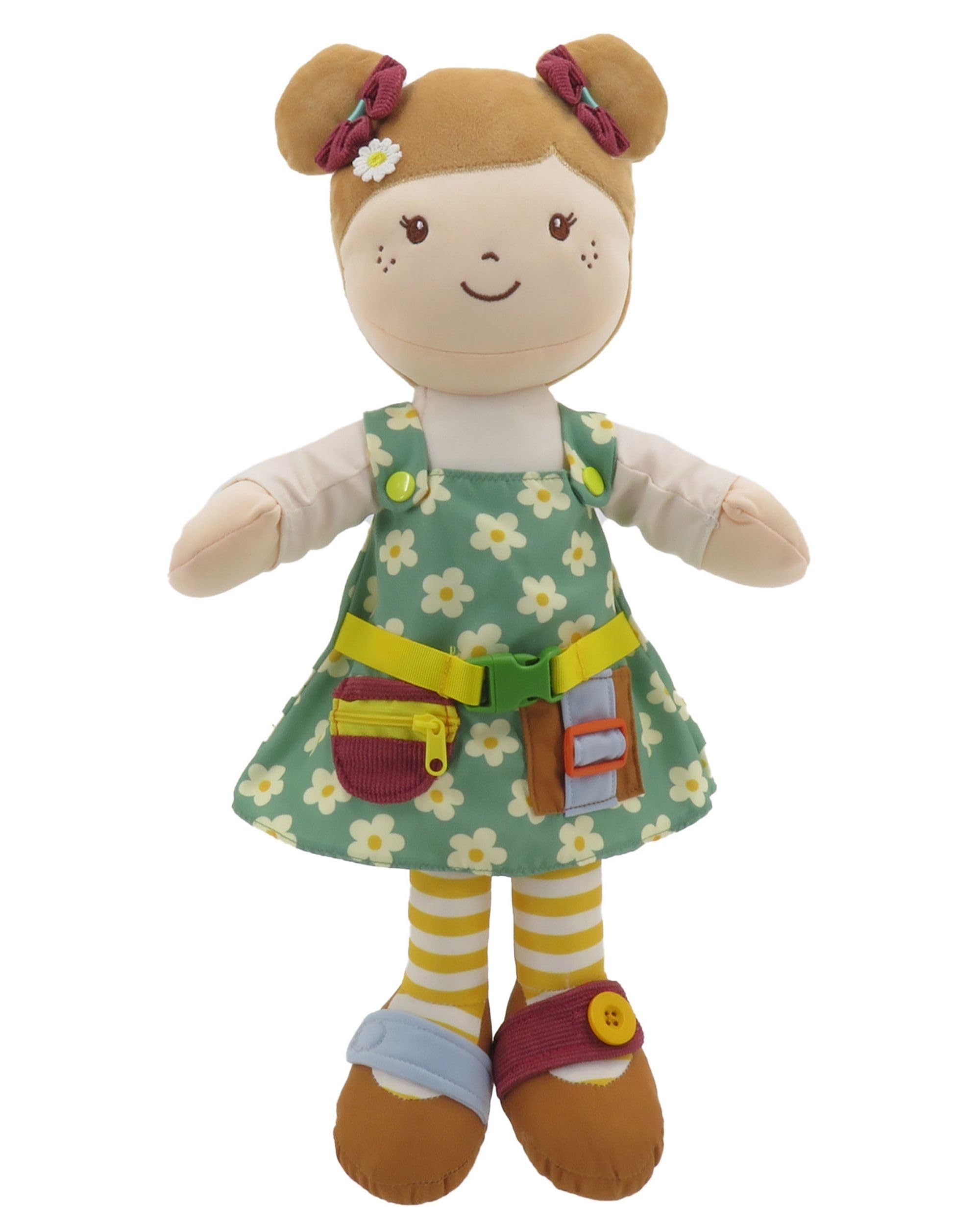
Toys support the development of fine and gross motor skills. Grasping small objects strengthens finger muscles. Moving toys around improves hand-eye coordination. Riding toys help balance and body control. Motor skills are essential for daily tasks like eating and dressing. Toys make practicing these skills fun and natural.
Encouraging Exploration
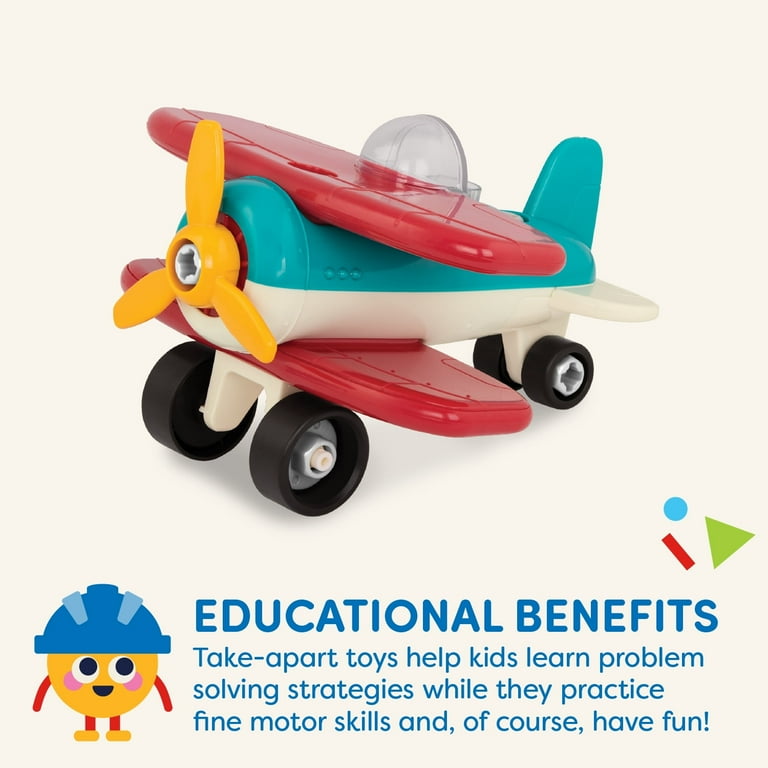
Toys invite toddlers to explore their environment. Sensory toys stimulate touch, sight, and sound. Open-ended toys let toddlers use imagination and creativity. Exploration helps children understand cause and effect. It also builds curiosity and confidence. Toys encourage toddlers to try new things safely.
Credit: www.walmart.com
Types Of Toys That Promote Problem Solving
Toys play a big role in helping toddlers learn problem solving. Certain types of toys encourage thinking and creativity. These toys challenge toddlers to find solutions and make decisions. They help build skills like focus, patience, and reasoning. Different kinds of toys offer unique ways to practice problem solving every day.
Puzzles And Shape Sorters
Puzzles and shape sorters are classic problem-solving toys. Toddlers match shapes and fit pieces into the right spots. This task improves hand-eye coordination and spatial awareness. Puzzles teach children to recognize patterns and try different options. They learn to keep trying until the puzzle is complete.
Building Blocks And Construction Sets
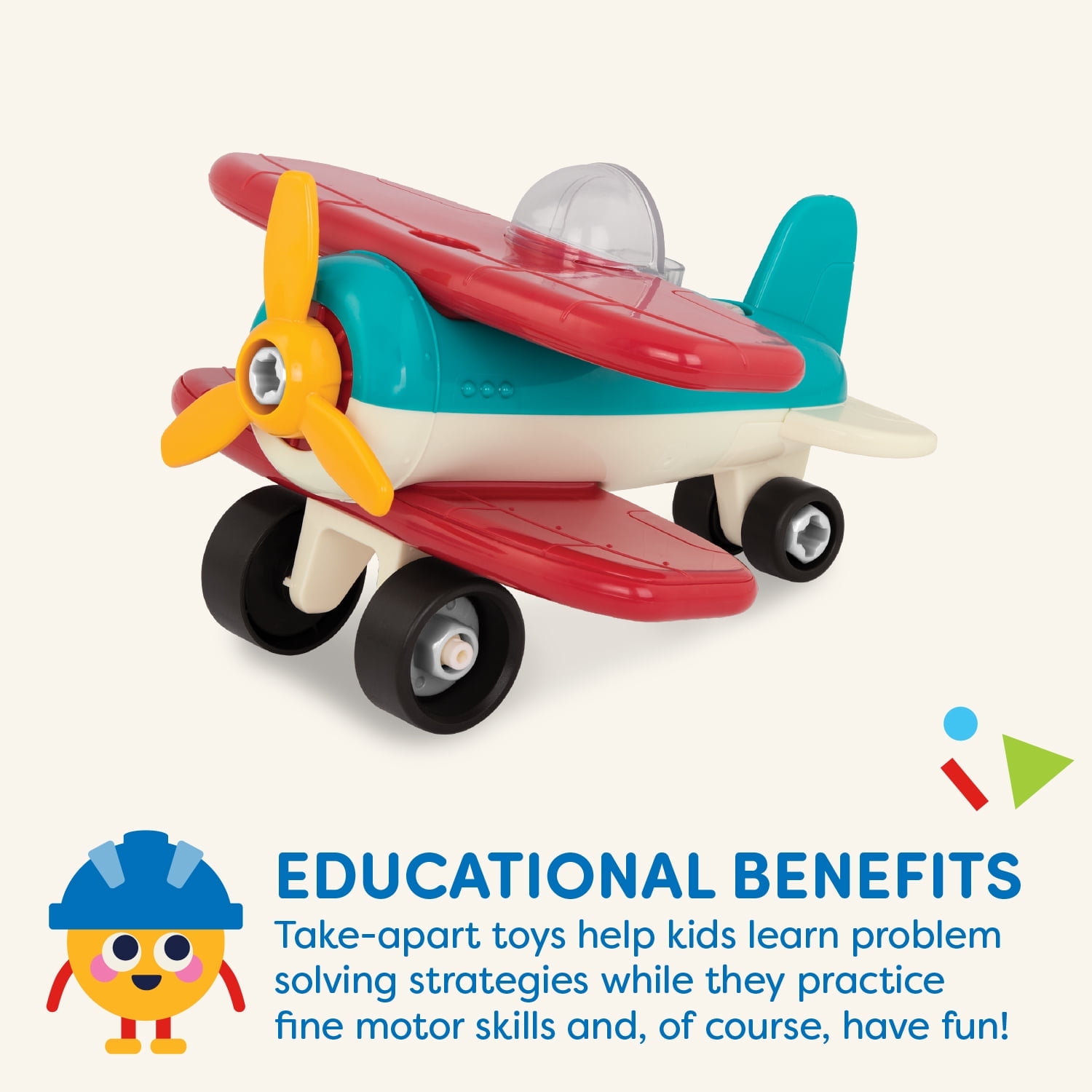
Building blocks and construction sets let toddlers create different structures. These toys encourage planning and experimenting with designs. Toddlers learn balance and how pieces fit together. They solve problems like making towers stable or connecting parts. Creativity grows as children test new ideas with blocks.
Interactive And Educational Toys
Interactive and educational toys respond to a toddler’s actions. These toys may include buttons, sounds, or moving parts. Toddlers explore cause and effect by pressing buttons or pulling levers. These toys teach numbers, letters, and shapes in fun ways. They encourage toddlers to think and learn actively.
How Problem Solving Boosts Brainpower
Problem solving plays a key role in a toddler’s brain growth. It pushes young minds to think deeply and try new ways to find answers. Toddlers learn to focus and remember details by solving small challenges. These skills build strong brain connections. Toys that encourage problem solving help children practice these important abilities daily. This practice prepares them for more complex thinking as they grow.
Improving Memory And Attention
Problem solving tasks require toddlers to recall steps and details. This exercise strengthens their memory muscles. Paying attention to the task helps them stay focused longer. Toys that involve sorting, matching, or sequencing boost these skills. Toddlers get better at remembering information and staying alert.
Fostering Creativity And Innovation
Trying different ways to solve problems encourages creativity. Toddlers explore new ideas and learn from mistakes. Toys like building blocks or puzzles inspire them to think outside the box. This creative play supports innovation and flexible thinking. It helps children find unique solutions to challenges.
Developing Critical Thinking
Critical thinking means analyzing and making decisions carefully. Problem solving teaches toddlers to compare options and predict outcomes. Toys that ask questions or present challenges develop this skill. Toddlers learn to reason and choose the best answers. These skills are important for school and everyday life.
Credit: www.liberia.ubuy.com
Tips For Choosing The Right Toys
Choosing the right toys for toddlers is key to helping them develop problem-solving skills. The right toys should challenge their thinking and keep them interested. This guide offers simple tips to pick toys that support learning and fun.
Age-appropriate Challenges
Toys must match a toddler’s age and skill level. Toys too hard may cause frustration. Toys too easy might bore them quickly. Select toys that offer puzzles or tasks just right for their stage. This helps build confidence and thinking skills step by step.
Encouraging Independent Play
Choose toys that toddlers can use alone. Independent play allows them to explore and solve problems freely. Toys with simple instructions or open-ended use work well. They encourage creativity and decision-making without adult help.
Balancing Fun And Learning
Toys should be enjoyable and educational. Fun keeps toddlers engaged longer. Learning happens naturally when play feels like a game. Look for toys that combine bright colors, interesting shapes, and problem-solving tasks. This balance makes playtime both joyful and useful.
Supporting Toddlers During Play
Supporting toddlers during play is key to helping them learn problem solving. Toddlers explore the world through toys and play. Guidance from adults helps them understand challenges and find solutions. This support builds confidence and skills that last a lifetime.
Guided Problem Solving
Adults can guide toddlers by asking simple questions. “What happens if you try this?” encourages thinking. Showing how to try again teaches patience. Let toddlers try first, then offer hints. This balance helps toddlers feel safe and curious.
Positive Reinforcement
Praise and encouragement motivate toddlers to keep trying. Saying “Good job!” or “You figured it out!” boosts confidence. Celebrate small wins to build their desire to solve problems. Positive words create a happy and supportive play space.
Creating A Stimulating Environment
Provide toys that match toddlers’ abilities and interests. Puzzles, blocks, and simple cause-and-effect toys work well. Change toys regularly to keep play fresh and exciting. A rich environment invites toddlers to explore and learn new skills.
Credit: www.amazon.com
Frequently Asked Questions
How Do Toys Develop Toddler Problem-solving Skills?
Toys encourage toddlers to think critically and explore solutions. They help improve memory, logic, and spatial awareness. Engaging with puzzles or building blocks boosts creativity and patience. These activities nurture cognitive growth and prepare toddlers for complex challenges later.
Which Toys Best Enhance Toddlers’ Critical Thinking?
Puzzles, shape sorters, and stacking toys are excellent choices. These toys require toddlers to analyze, plan, and adjust strategies. Interactive toys that involve cause and effect also develop reasoning skills. Selecting age-appropriate toys ensures better engagement and learning outcomes.
How Often Should Toddlers Play With Problem-solving Toys?
Daily playtime of 20-30 minutes is ideal for toddlers. Regular interaction strengthens cognitive pathways and improves focus. Short, frequent sessions keep toddlers interested and prevent frustration. Consistency helps build problem-solving habits and enhances skill retention.
Can Problem-solving Toys Improve Toddler Social Skills?
Yes, many problem-solving toys encourage cooperative play and communication. Sharing toys and solving puzzles together teach teamwork and empathy. Toddlers learn to negotiate and listen to others’ ideas. This boosts both social and cognitive development simultaneously.
Conclusion
Toys offer toddlers a fun way to solve problems. They help children think and try new ideas. Playing with toys builds their confidence step by step. Toddlers learn to focus and keep trying when things get hard. These skills grow with each play session.
Parents can support by choosing toys that challenge and excite. Small challenges prepare toddlers for bigger problems ahead. Simple play today leads to smarter thinking tomorrow. Toys are more than just fun—they are tools for learning.
