
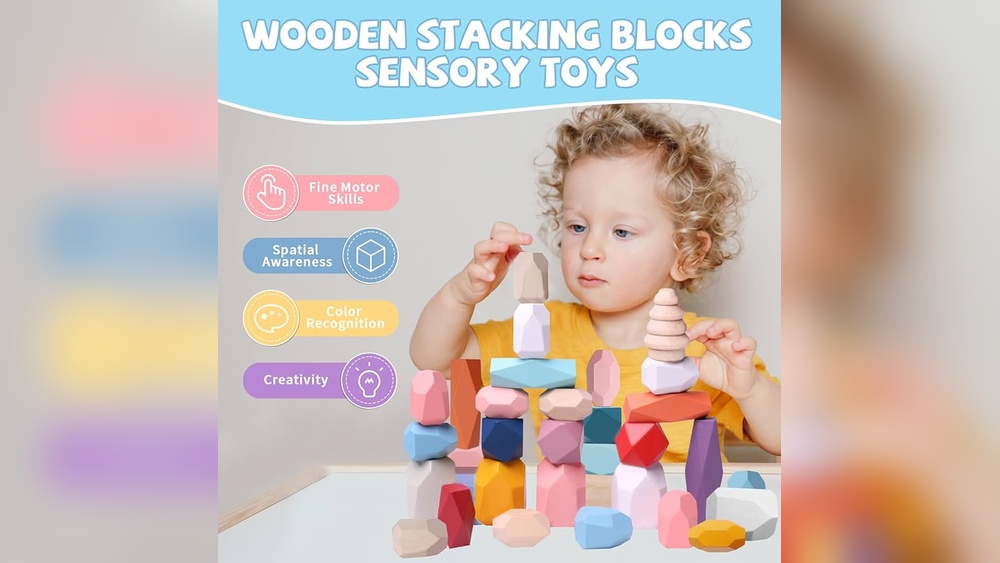
Have you ever noticed how your toddler loves stacking blocks or fitting puzzle pieces together? These simple play moments are more powerful than you might think.
Toys are not just for fun—they play a key role in helping your child understand space and shapes around them. When your toddler explores with toys, they’re actually building important skills that will help them in school and everyday life.
Keep reading to discover how the right toys can boost your child’s spatial awareness and set the foundation for their future learning.
Role Of Spatial Awareness In Toddlers
Spatial awareness helps toddlers understand where they are in space. It teaches them how to move and fit objects around them. This skill is important for learning and exploring the world.
Toys play a big role in building spatial awareness. They encourage toddlers to think about shapes, sizes, and positions. Playing with toys helps their brains grow and develop these skills naturally.
Key Skills Developed
Toddlers learn to judge distances and directions. They start to recognize shapes and how they fit together. This helps with problem-solving and hand-eye coordination. They also improve memory by recalling how objects relate in space.
Impact On Daily Activities
Spatial skills help toddlers dress themselves and use utensils. They also improve walking, climbing, and playing safely. These skills make everyday tasks easier and boost confidence. Spatial awareness supports learning in reading and writing too.
Types Of Toys That Enhance Spatial Skills
Toys play a big role in helping toddlers learn spatial skills. These skills help children understand shapes, sizes, and how objects fit together in space. Different toys teach these skills in fun and simple ways.
Choosing the right toys can support a toddler’s growth. Toys that encourage building, sorting, and interacting help develop spatial awareness. Below are some types of toys that enhance these important skills.
Building Blocks And Stacking Toys
Building blocks and stacking toys teach children about balance and space. Toddlers learn how to stack shapes without falling. They see how different sizes and shapes work together. These toys help kids understand height, width, and depth. Playing with blocks improves hand-eye coordination too.
Shape Sorters And Puzzles
Shape sorters and puzzles help toddlers recognize shapes and patterns. Children match shapes to the right holes or puzzle pieces. This practice sharpens their ability to spot differences and similarities. Puzzles encourage problem solving and patience. They also boost memory and focus.
Interactive And Electronic Toys
Interactive and electronic toys make learning fun and engaging. Many of these toys respond to touch or movement. Toddlers learn about cause and effect while exploring space and shapes. These toys often include lights and sounds, keeping kids interested. They support early tech skills along with spatial learning.
How Play Supports Brain Development
Play is a key part of how toddlers develop their brains. Through play, children explore their world and learn important skills. Toys that encourage movement and exploration help build strong brain connections. This supports spatial awareness, which is the ability to understand where objects are in space.
Playing with toys allows toddlers to practice using their hands and eyes together. This practice improves brain areas linked to thinking and understanding space. Play also helps children learn how to solve problems by trying new ways to use their toys.
Hands-on Learning Benefits
Hands-on play helps toddlers learn by doing. Touching and moving objects teaches them about shapes and sizes. This type of learning makes the brain stronger. It helps children remember what they see and feel. Toys like blocks and puzzles are great for hands-on learning. These toys encourage kids to explore and discover on their own.
Encouraging Problem Solving
Toys challenge toddlers to figure things out. They learn to test ideas and try again. This builds problem-solving skills important for brain growth. For example, stacking blocks helps children understand balance and space. Solving simple puzzles teaches them how parts fit together. Each success boosts confidence and encourages more learning through play.

Credit: us.sportsdirect.com
Tips For Choosing Effective Toys
Choosing the right toys helps toddlers learn spatial awareness effectively. Toys should match their growing skills and keep them safe. This section gives tips on picking toys that support development and fun.
Age-appropriate Features
Select toys designed for your toddler’s age group. Toys with simple shapes and bright colors attract attention. Blocks, puzzles, and stacking toys suit young toddlers well. These toys improve hand-eye coordination and shape recognition. Avoid toys with small parts that are hard to handle.
Look for toys that grow with your child. Adjustable puzzles or building sets keep kids challenged. This encourages problem-solving and spatial thinking. Toys that match your toddler’s skill level build confidence and interest.
Safety Considerations
Safety is the top priority when choosing toys for toddlers. Select toys made from non-toxic materials. Avoid sharp edges or loose parts that can cause injury. Check for labels showing compliance with safety standards.
Choose sturdy toys that withstand rough play. Toys should be easy to clean and maintain. Clean toys reduce the risk of germs and allergies. Always supervise toddlers during play to prevent accidents.
Engaging Activities To Boost Spatial Skills
Boosting spatial skills in toddlers is fun and important. Activities that engage their minds and bodies help them learn shapes, sizes, and space. These activities improve their ability to understand how objects fit and move around. Playtime becomes a learning time.
Choosing the right activities makes a big difference. Simple toys and games turn into tools for learning. Let’s explore some easy and effective ways to help toddlers develop spatial awareness.
Indoor Play Ideas
Building blocks are great for learning how objects stack and balance. Toddlers can experiment with different shapes and sizes. Puzzles teach matching and fitting pieces together. This improves their problem-solving skills and hand-eye coordination.
Sorting toys by color, shape, or size helps kids recognize differences. Using tunnels or obstacle courses indoors encourages them to navigate spaces. These activities build spatial memory and body awareness.
Outdoor Exploration Games
Playing with balls outside helps toddlers judge distance and speed. Simple catch or kick games improve timing and movement. Nature walks encourage observation of shapes and patterns in the environment.
Hide and seek teaches children to estimate space and remember locations. Climbing playground equipment builds strength and spatial understanding. Outdoor play connects physical activity with learning about space.

Credit: www.amazon.com
Signs Of Progress In Spatial Awareness
Signs of progress in spatial awareness show how toddlers understand space and shapes. These signs help parents and caregivers see how well a child learns about the world. Watching these signs helps guide play and learning activities. It also shows when a child is ready for new challenges.
Spatial awareness grows step by step. Each new skill builds on the last one. Recognizing these skills helps adults support children better. It also makes playtime more meaningful and fun.
Milestones To Watch For
Watch for simple actions like stacking blocks or fitting shapes into puzzles. These show basic understanding of space. Toddlers begin to notice size, shape, and position. They start to use words like “in,” “on,” and “under.”
Look for how children move objects around. Can they place toys in specific spots? Do they try new ways to build or arrange things? These are clear signs of growth in spatial skills.
Encouraging Continued Growth
Keep offering toys that challenge spatial thinking. Puzzles, building blocks, and sorting games work well. Let toddlers explore and try different ways to play. Praise their efforts and curiosity.
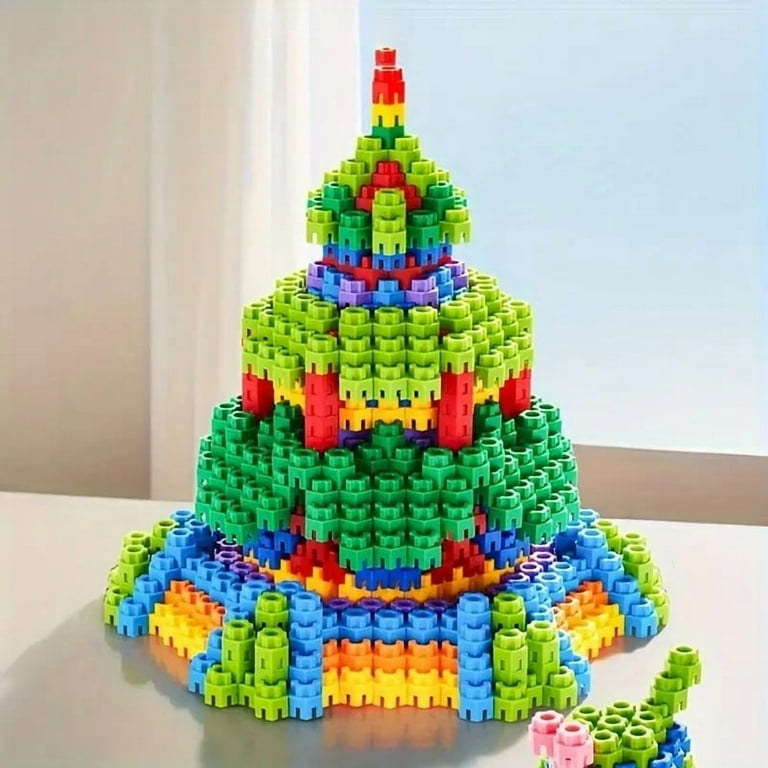
Give clear, simple instructions during play. Use spatial words like “next to” or “between.” This helps toddlers connect words with actions. Regular play with these toys strengthens their spatial awareness over time.
Credit: www.walmart.com
Frequently Asked Questions
How Do Toys Improve Toddlers’ Spatial Awareness?
Toys help toddlers understand shapes, sizes, and positions. Playing with blocks and puzzles enhances their ability to visualize objects in space. This practice develops their problem-solving skills and hand-eye coordination, essential for spatial awareness.
What Types Of Toys Boost Spatial Skills In Toddlers?
Building blocks, shape sorters, and puzzles are ideal. These toys encourage toddlers to explore different shapes and fit pieces together. They help children learn about spatial relationships through hands-on play and experimentation.
At What Age Do Toddlers Develop Spatial Awareness?
Toddlers begin developing spatial awareness between 1 to 3 years old. During this period, they explore their environment and manipulate objects. Toys that challenge their understanding of space accelerate this natural developmental process.
Can Spatial Awareness Affect A Toddler’s Learning Ability?
Yes, strong spatial awareness improves math, reading, and problem-solving skills. It helps toddlers comprehend directions and visualize objects mentally. Early development in spatial skills supports overall cognitive growth and academic success.
Conclusion
Toys play a key role in helping toddlers learn about space and shapes. They encourage children to move, explore, and think. Playing with toys builds skills like problem-solving and hand-eye coordination. These early experiences shape how toddlers understand the world around them.
Choosing the right toys can make learning fun and natural. Every playtime moment is a step toward better spatial awareness. Keep encouraging play to support your child’s growth and learning. It’s simple, effective, and enjoyable for both toddlers and parents.
