
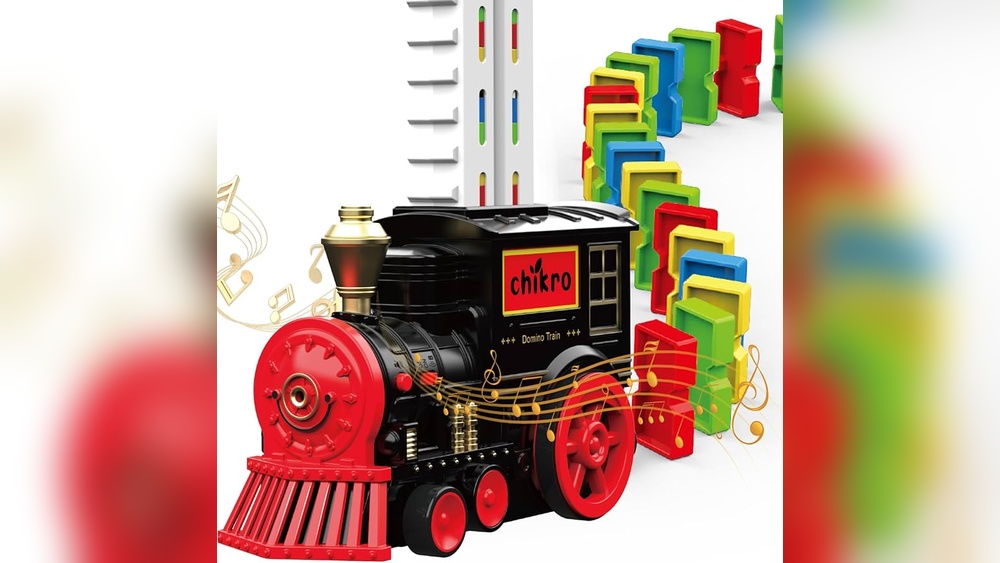
Have you ever watched your toddler play with a toy and wondered how that simple act could teach them something as valuable as patience? It might surprise you, but toys do more than just entertain—they help your little one learn to wait, take turns, and manage frustration.
If you want to discover how the right toys can turn your child’s playtime into powerful lessons in patience, keep reading. This insight can change the way you choose toys and support your toddler’s growth every day.
Role Of Toys In Toddler Development
Toys play a key role in toddler development. They do more than entertain. Toys help toddlers learn important skills for life. One of these skills is patience. Through play, toddlers practice waiting, sharing, and focusing. These moments teach children how to control impulses and handle delays. Toys create a safe space for these lessons. Toddlers learn by doing, and toys guide their learning step by step.
Building Focus Through Play
Toys help toddlers build focus by capturing their attention. Simple puzzles or stacking blocks require concentration. Toddlers learn to focus on one task at a time. This practice strengthens their brain’s ability to stay on a goal. Focus is a key part of patience. The more toddlers play with focused toys, the better they get at waiting and finishing tasks.
Encouraging Turn-taking
Toys encourage toddlers to share and take turns. Playing with others teaches children to wait for their turn. Toys like balls, cars, or board games create natural moments for turn-taking. Toddlers experience waiting without frustration. This helps them understand fairness and build patience. Turn-taking also improves social skills and cooperation.
Promoting Delayed Gratification
Some toys require toddlers to wait before they get a reward. Toys with timers or step-by-step challenges teach delayed gratification. Toddlers learn that good things come after waiting. This helps reduce impulsive behavior. Delayed gratification is a foundation of patience. Toys make this concept clear and easy to grasp for young minds.

Credit: www.amazon.com
Choosing Toys That Foster Patience
Choosing toys that help toddlers learn patience takes thought. Toys that challenge them just enough keep their interest. These toys encourage kids to wait, try again, and keep focus. They teach patience in a fun, natural way.
Finding the right toy means picking those that require time and effort. The process of playing, solving, and building slows down instant gratification. This helps toddlers develop patience step by step.
Puzzles And Problem-solving Toys
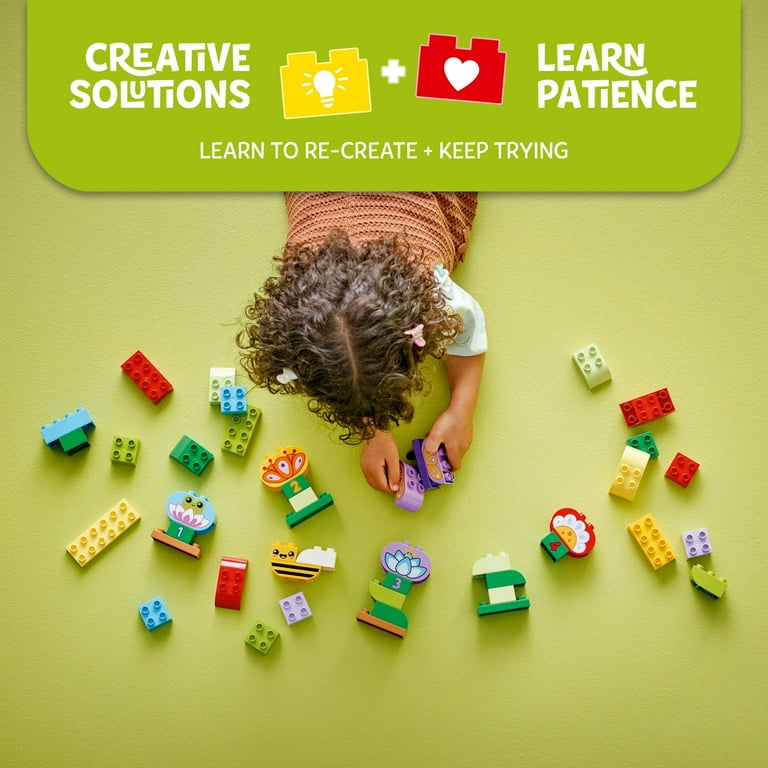
Puzzles ask toddlers to think and fit pieces correctly. This task needs quiet focus and patience. Kids learn to wait and try again if pieces do not fit. Problem-solving toys also require patience to find solutions.
These toys boost concentration while teaching kids to stay calm. Each small success motivates them to keep trying. Toddlers develop a sense of achievement through patient effort.
Interactive And Cause-effect Toys
Interactive toys show clear results from toddler actions. Cause-effect toys teach kids that actions lead to outcomes. Toddlers learn to wait for the results to happen. This waiting builds patience as they watch and wait.
These toys invite repeated play, encouraging toddlers to observe and predict. Patience grows as children learn how their actions connect to effects. It helps develop a better understanding of time and results.
Building And Stacking Sets
Building and stacking toys need time and care. Toddlers learn to build step by step, not rushing. They discover that patience helps create something stable and fun.
These toys promote fine motor skills and hand-eye coordination. They also teach toddlers to handle frustration when blocks fall. Patience grows as they try again and improve their skills.
Effective Play Strategies For Parents
Helping toddlers learn patience takes time and smart play strategies. Parents play a big role in guiding children through this learning. Using toys during playtime can teach kids to wait, share, and take turns. The right approach makes play both fun and educational.
Here are some simple and effective ways parents can use toys to build patience in toddlers. These methods help children understand rules and develop self-control in a playful setting.
Setting Clear Playtime Rules
Start by explaining simple rules before play begins. Use short sentences like “Wait your turn” or “Share the toy.” Keep rules easy to remember and repeat them often. Consistent rules help toddlers know what to expect. This reduces frustration and builds patience naturally.
Modeling Patience During Play
Children learn by watching adults. Show patience while playing with them. Take turns slowly and speak calmly. If a toy is not available, say, “We will wait.” Your calm behavior teaches toddlers how to stay patient. This example guides their actions better than words alone.
Using Timers And Waiting Games
Timers make waiting clear and fair. Use a timer to set play turns or breaks. Let your child see the timer counting down. This gives them a clear signal for when their turn ends or begins. Playing waiting games like “Red Light, Green Light” also builds patience. These games teach kids to wait for the right moment to act.
Credit: www.walmart.com
Common Challenges And Solutions
Toddlers often find patience hard to learn. Toys can help, but challenges arise. Understanding these challenges and their solutions supports better learning.
Children may feel upset when they cannot play as they want. Staying steady in rules helps toddlers learn patience. Praising good behavior encourages them to keep trying.
Handling Frustration
Toddlers get frustrated when toys do not work as expected. This feeling can lead to crying or anger. Parents should stay calm and offer comfort. Showing how to use the toy slowly helps. Encouraging deep breaths or a short break calms emotions.
Maintaining Consistency
Consistent rules make learning patience easier for toddlers. Set clear playtime limits and follow them every day. Avoid changing rules without warning. Consistency helps toddlers know what to expect. This reduces confusion and improves patience.
Encouraging Positive Reinforcement
Praise toddlers when they wait and share toys well. Use kind words like “Good job” or “Well done.” Small rewards can motivate children to be patient. Positive feedback builds their confidence and patience skills. It teaches that waiting has good results.
Tracking Progress And Celebrating Growth
Tracking progress and celebrating growth are key to helping toddlers learn patience. Watching small improvements encourages children to keep trying. It also helps parents see how toys support skill building over time.
Noticing progress shows toddlers that patience leads to success. It builds their confidence and keeps them engaged with activities. Celebrations can be simple but meaningful. A smile, a cheer, or a hug makes a big difference.
Recognizing Small Milestones
Small milestones mark important steps in learning patience. Completing a puzzle piece or waiting a bit longer shows progress. These moments teach children that effort pays off.
Parents should praise these achievements often. Saying “Good job waiting!” or “You finished that part!” helps toddlers feel proud. This positive feedback motivates them to try again.
Adjusting Activities As Skills Improve
As toddlers grow, activities should change to match their skills. Toys can become more challenging to keep them interested. This helps develop patience through new tasks.
Simple tasks can turn into puzzles with more pieces. Waiting games can last longer. Changing activities keeps learning fresh and fun. It also helps toddlers practice patience in different ways.

Credit: us.sportsdirect.com
Frequently Asked Questions
How Do Toys Teach Toddlers Patience?
Toys encourage toddlers to wait their turn, share, and follow rules. These activities build self-control and patience naturally. Engaging with toys helps toddlers learn to delay gratification and manage frustration effectively.
Which Toys Best Develop Patience In Toddlers?
Puzzles, building blocks, and board games are great for patience. These toys require focus and step-by-step completion, promoting persistence. They help toddlers practice waiting and problem-solving skills.
Can Playing With Toys Improve Toddlers’ Social Patience?
Yes, interactive toys encourage sharing and cooperation. Playing with peers using toys teaches toddlers to wait and take turns. This social interaction strengthens patience and emotional regulation.
How Often Should Toddlers Play To Build Patience?
Daily, short play sessions of 15-30 minutes are ideal. Consistent play helps reinforce patience habits without causing frustration. Frequent play allows toddlers to practice patience regularly in a fun way.
Conclusion
Toys teach toddlers to wait and take turns. They help children practice patience every day. Playing with toys also builds focus and calmness. Parents can choose simple toys for this purpose. Watching a child learn patience brings joy. Small steps lead to big progress in behavior.
Toddlers grow better social skills through play. Patience learned early supports success later in life. Toys are more than just fun—they teach important life skills. Keep encouraging play to help patience grow steadily.
