
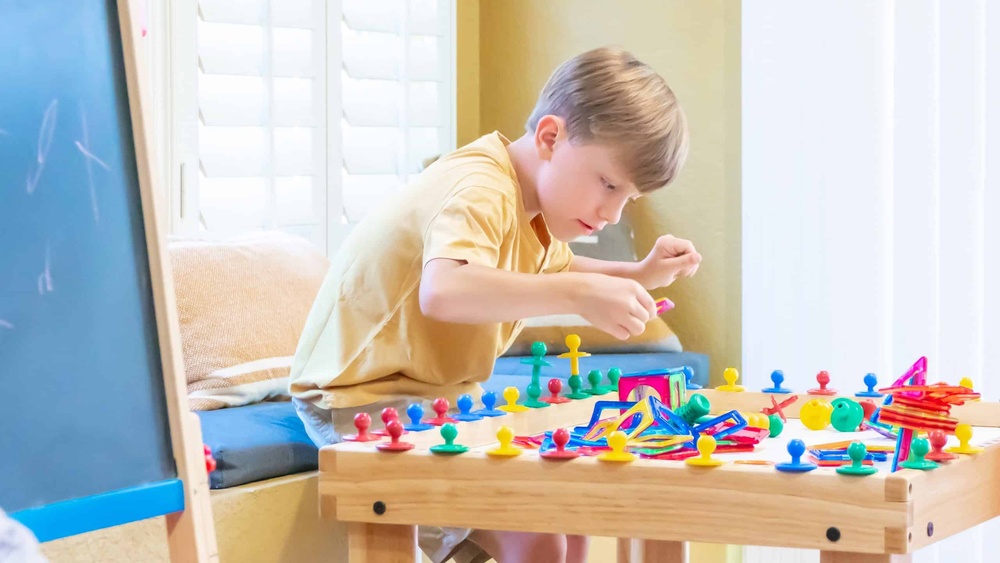
You want your toddler to grow up confident and capable. One powerful way to help your little one build independence is through play.
Toys aren’t just for fun—they can teach your child important skills like decision-making, problem-solving, and self-confidence. Imagine watching your toddler explore, try new things, and succeed all on their own. Curious how the right toys can make this happen? Keep reading to discover how you can support your child’s journey to independence with simple, everyday play.
Credit: augustapediatrics.com
Role Of Toys In Toddler Development
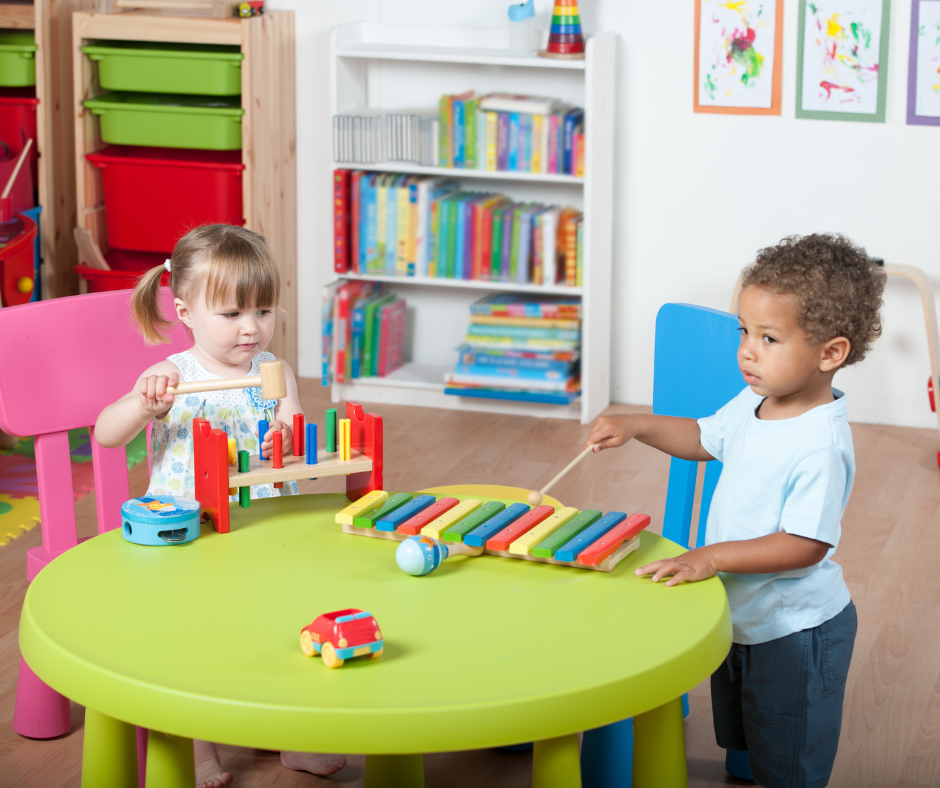
Toys play a big role in toddler development. They help children learn new skills by doing and exploring. Toys make learning fun and encourage toddlers to try things on their own. Through play, toddlers gain confidence and become more independent.
Different types of toys support different areas of growth. Some toys help toddlers move their bodies better. Others challenge their thinking or help them make friends. Each toy offers a chance to learn and grow.
Building Motor Skills
Toddlers use toys to practice moving their hands and fingers. Blocks, puzzles, and shape sorters improve hand-eye coordination. These toys help toddlers grip, stack, and fit pieces together. Playing with them develops fine motor skills needed for daily tasks.
Enhancing Problem-solving
Toys with challenges teach toddlers to think and solve problems. Simple puzzles and matching games require focus and patience. Toddlers learn to find solutions by trying different ways. This process builds their thinking skills and confidence.
Encouraging Social Interaction
Playing with toys alongside others helps toddlers learn to share and take turns. Dolls, toy cars, and play kitchens invite group play. These interactions teach communication and cooperation. Social play supports emotional growth and independence.
Types Of Toys That Promote Independence
Toys play a big role in helping toddlers learn how to do things on their own. The right toys encourage them to explore, try new tasks, and solve problems without help. This builds confidence and independence. Different types of toys support different skills. Some toys focus on fine motor skills, while others boost creativity or thinking. Choosing toys that match a toddler’s growing abilities can make a big difference in their learning journey.
Stacking And Sorting Toys
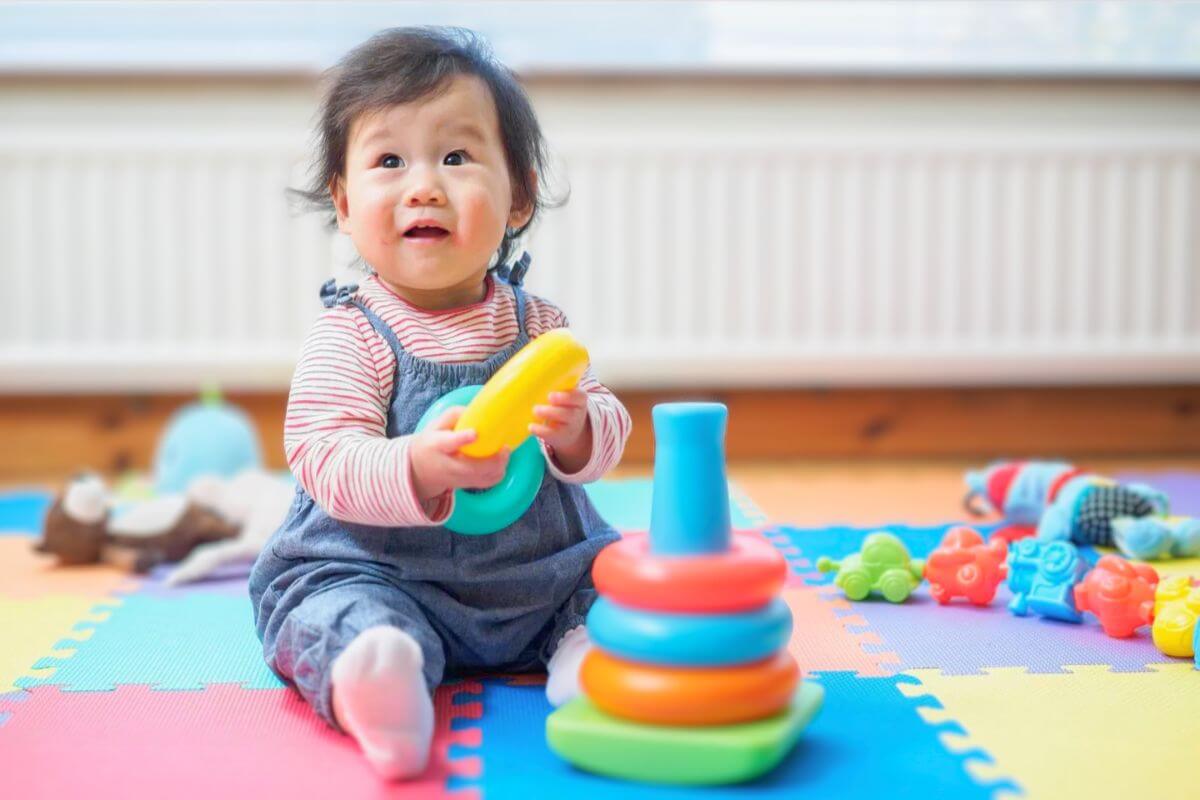
Stacking and sorting toys help toddlers practice hand-eye coordination. They learn to pick up objects and place them carefully. Sorting by color, size, or shape teaches problem-solving and decision-making. These toys encourage toddlers to work independently and focus on a task. Playing with these toys often helps develop patience and persistence.
Pretend Play Sets
Pretend play sets let toddlers use their imagination. They copy real-life activities like cooking or caring for a baby doll. These toys help children understand daily routines and roles. Pretend play builds confidence as toddlers act out tasks on their own. It also teaches them how to plan and follow steps without help.
Interactive Learning Toys
Interactive learning toys respond to a child’s actions. They may light up, make sounds, or ask questions. These toys encourage toddlers to explore cause and effect. They also promote listening and understanding skills. Interactive toys make learning fun and keep toddlers engaged while building independence.
How Toys Boost Confidence
Toys play a big role in building a toddler’s confidence. They help children feel proud as they try new things. Each success with a toy boosts their belief in themselves. Confidence grows through play, helping toddlers become more independent.
Playing with toys invites toddlers to explore and take small risks. These moments teach them to trust their own skills. The sense of achievement gained from play is powerful. It encourages them to keep trying and learning.
Mastering New Skills
Toys often challenge toddlers to learn new skills. Puzzles teach problem-solving and hand-eye coordination. Building blocks improve fine motor skills and focus. Each completed task gives a clear sign of success. This feeling builds pride and self-trust in toddlers.
Encouraging Decision Making
Many toys require toddlers to make choices. They pick colors, shapes, or ways to play. Making these decisions helps children think independently. It shows them they can control their actions. This control is a key part of growing confidence.
Fostering Creativity
Creative toys like crayons or play dough open imagination. Toddlers create their own stories and shapes. This freedom to express themselves boosts self-esteem. Creativity teaches that their ideas and actions matter. It builds a strong, confident sense of self.

Credit: www.tidysleep.com
Creating A Supportive Play Environment
Creating a supportive play environment helps toddlers learn independence safely. Toddlers feel confident when they can reach and choose toys by themselves. Play spaces that are inviting and well-organized encourage children to explore and try new things. A thoughtful setup helps toddlers build skills and enjoy playtime more.
Parents and caregivers can set up areas where toddlers can play with little help. This balance between support and freedom is key for growing independence. Let’s explore how to create the best play environment for young children.
Safe And Accessible Toy Storage
Keep toys within toddlers’ reach to promote self-play. Use low shelves or bins that children can open easily. Clear containers help toddlers find their favorite toys fast. Safety is important—choose storage with no sharp edges or small parts. Organizing toys by type or size makes cleanup easier. This setup encourages toddlers to select and put away toys independently.
Balancing Guidance And Freedom
Guide toddlers without taking over their play. Offer gentle help when needed but let them try first. Allow mistakes—they are part of learning. Encourage toddlers to solve problems on their own. Step back and watch as they explore new ideas. This balance builds confidence and decision-making skills. Toddlers learn best when they feel trusted and supported.
Encouraging Exploration
Provide a variety of toys that spark curiosity. Include puzzles, blocks, and simple art supplies. Change toys regularly to keep interest alive. Let toddlers touch, move, and test toys in different ways. Praise their efforts and discoveries to boost motivation. A rich play environment invites children to learn through doing. Exploration helps toddlers develop creativity and independence.
Tips For Choosing The Right Toys
Choosing the right toys helps toddlers learn independence effectively. The right toys encourage exploration and skill-building. They offer safe challenges suited to your child’s stage. Here are tips to pick toys that support growth and confidence.
Age-appropriate Selections
Select toys matching your toddler’s age and abilities. Toys too hard cause frustration. Toys too easy may bore your child. Choose items that invite curiosity and problem-solving. Age labels on packaging help guide choices.
Quality And Safety Considerations
Pick toys made from safe, non-toxic materials. Check for small parts that may cause choking. Ensure toys are sturdy and well-made. Avoid sharp edges or loose pieces. Cleanliness matters; washable toys keep germs away.
Toys That Grow With Your Child
Select toys offering multiple play options. Toys that adapt as skills improve add value. Building blocks, puzzles, and simple tools fit this idea. These toys stay interesting longer and boost independence.
Credit: www.starshinemontessori.com
Incorporating Play Into Daily Routines
Incorporating play into daily routines helps toddlers learn independence naturally. Playtime becomes a chance to practice skills and build confidence. It fits well with everyday activities and encourages children to explore on their own.
Parents and caregivers can use toys and games to teach simple tasks. This approach makes learning fun and easy to remember. Toddlers feel proud as they try new things during play.
Setting Regular Playtimes
Set specific times for play each day. Consistent playtimes create a routine children understand. Regular play helps toddlers know when to expect fun and learning.
Short, focused play sessions work best. They keep toddlers interested and ready to try tasks alone. Toys chosen for these times should match the child’s skill level.
Using Play To Teach Responsibility
Toys can teach toddlers to take care of their things. Simple tasks like putting toys away build habits. Play can show the value of keeping a space tidy.
Role-playing games help kids practice daily chores. Pretend cooking or cleaning toys make lessons enjoyable. Toddlers start to feel responsible for their actions.
Celebrating Small Achievements
Recognize every success during playtime. Praise motivates toddlers to keep trying new tasks. Even small wins boost their confidence and independence.
Use encouraging words and smiles to celebrate. This positive feedback helps toddlers feel proud. Celebrations make playtime a happy learning moment.
Frequently Asked Questions
How Do Toys Promote Toddler Independence?
Toys encourage toddlers to explore and solve problems on their own. This boosts confidence and decision-making skills. Playing independently helps toddlers learn to entertain themselves and develop self-reliance.
Which Toys Best Teach Toddlers Self-help Skills?
Simple puzzles, building blocks, and pretend play sets are ideal. These toys improve coordination, problem-solving, and role-playing abilities. They help toddlers practice daily tasks and build independence.
Can Toys Improve Toddlers’ Decision-making Abilities?
Yes, toys that require choices enhance decision-making. Toddlers learn cause and effect by selecting actions and seeing results. This fosters critical thinking and independence in everyday situations.
How Does Playtime Support Emotional Independence?
Playtime with toys allows toddlers to express feelings safely. They learn to manage emotions and solve conflicts alone. This emotional practice builds resilience and self-confidence.
Conclusion
Toys play a big role in helping toddlers become independent. They teach kids to solve problems and make choices alone. Playing with toys builds confidence and skills step by step. Toddlers learn to explore and try new things safely. Parents can support this by offering the right toys at the right time.
Watching children play shows how they grow and learn every day. Independence starts small, and toys help make it real. Little actions lead to big progress in a child’s life.
