
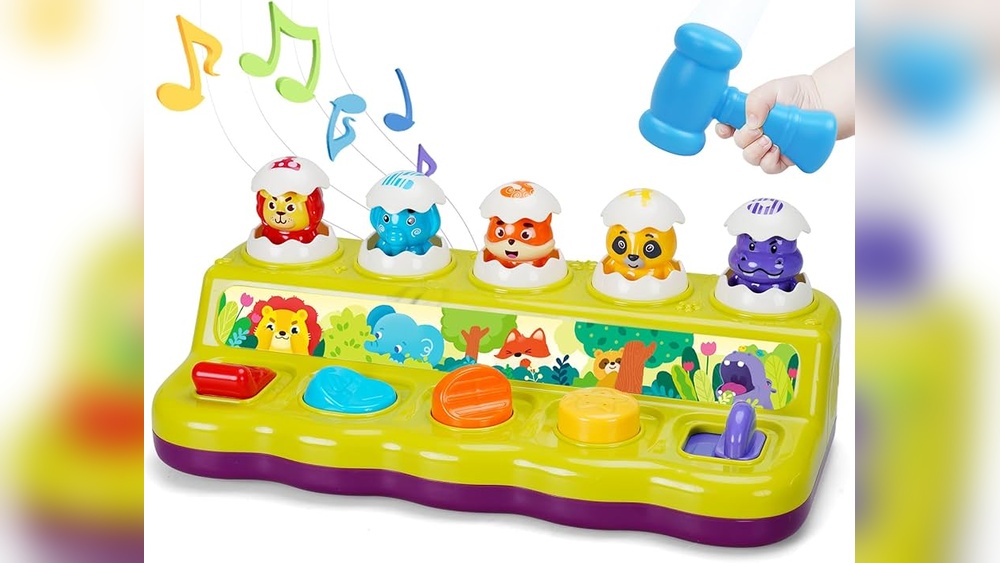
Have you ever noticed how your toddler’s eyes light up when they press a button or drop a block and something happens? That simple action is more powerful than you might think.
Toys that show cause and effect are not just fun—they are essential tools that help your little one understand how the world works. When your child learns that their actions lead to results, they build critical thinking skills that set the stage for future learning.
Keep reading to discover how the right toys can turn playtime into a smart, exciting learning adventure for your toddler.
Role Of Toys In Toddler Learning
Toys play a big part in how toddlers learn about cause and effect. They help children see how their actions lead to results. Toddlers learn by touching, moving, and watching what happens next. Toys give them a safe place to try new things and understand the world.
Through play, toddlers build important skills. Toys make learning fun and easy to remember. They guide little minds to connect actions with outcomes, which is key for early thinking.
Stimulating Curiosity And Exploration
Toys spark a toddler’s natural curiosity. Bright colors, sounds, and shapes invite them to explore. This exploration helps children test ideas and notice changes.
When a toy moves or makes noise, toddlers want to know why. This leads to repeated play and learning. Toys that respond to touch or movement show clear cause and effect, keeping toddlers interested.
Encouraging Problem-solving Skills
Toys help toddlers learn to solve simple problems. Puzzles, blocks, and stacking toys require children to think and plan. They try different ways to make things fit or stand up.
These challenges teach toddlers patience and persistence. They learn that certain actions lead to success. Problem-solving with toys builds confidence and sharp thinking skills early on.

Credit: www.surftherapy.es
Cause And Effect Concepts In Play
Cause and effect concepts are a key part of toddler play. They help children understand how actions lead to results. Toys offer hands-on experiences where toddlers see clear connections. These connections build early learning skills.
Playing with toys lets toddlers explore cause and effect naturally. They learn through fun and discovery. This learning is important for their brain growth and problem-solving abilities.
Simple Actions And Reactions
Toddlers press buttons and hear sounds. They push blocks and watch towers fall. These simple actions show direct results. Such play teaches toddlers that their actions matter.
These clear reactions help toddlers grasp cause and effect fast. They start to predict what happens next. This builds confidence and curiosity.
Building Logical Thinking
Toys that involve sorting, stacking, or fitting shapes grow logical thinking. Toddlers try different ways to make things work. They learn which actions cause certain results.
This trial and error helps toddlers understand sequences and patterns. They develop thinking skills that support future learning. Logical play sets a foundation for problem-solving.
Types Of Toys That Promote Cause And Effect
Toys play a big role in helping toddlers learn cause and effect. Different types of toys teach this concept in fun, hands-on ways. Toddlers discover how their actions lead to results. This builds early thinking skills and curiosity.
Here are some types of toys that promote cause and effect learning.
Interactive Toys
Interactive toys respond to a child’s touch or movement. Buttons, levers, and switches trigger lights or sounds. Toddlers learn that pressing a button causes a reaction. These toys encourage exploration and understanding of actions and results.
Building And Stacking Sets
Building blocks and stacking sets teach cause and effect through construction. Toddlers see how stacking blocks higher can make them fall. They learn how balance and placement affect stability. These toys develop problem-solving and fine motor skills.
Musical And Sound Toys
Musical toys create sounds when played with. Toddlers learn that hitting a drum or shaking a rattle makes noise. They discover how their movements cause different sounds. These toys help with auditory learning and coordination.
Benefits Of Cause And Effect Learning
Cause and effect learning helps toddlers understand how their actions lead to results. This understanding is key for many areas of growth. Toys that show cause and effect keep children curious and eager to explore. They learn by trying, seeing results, and trying again. This process builds a strong foundation for future learning and daily life skills.
Boosting Cognitive Development
Toddlers develop thinking skills by exploring cause and effect. They start to predict what will happen next. This boosts problem-solving and decision-making abilities. Toys that respond to actions help children learn about patterns and sequences. These skills are important for school and everyday tasks.
Enhancing Motor Skills
Cause and effect toys encourage toddlers to use their hands and fingers. Pressing buttons, turning knobs, or stacking blocks improve fine motor skills. Reaching and grasping also help develop hand-eye coordination. These movements build muscle strength and control needed for writing and self-care.
Fostering Emotional Growth
Learning cause and effect teaches toddlers patience and persistence. They feel joy and pride when their actions create results. This builds confidence and self-esteem. Toddlers also learn to manage frustration when things don’t work as expected. These emotional skills support social interactions and learning.
Tips For Choosing Effective Toys
Choosing the right toys helps toddlers learn cause and effect better. Effective toys make learning fun and simple. They invite curiosity and encourage exploration. Picking toys carefully supports a child’s growth and understanding.
Age-appropriate Selection
Select toys that match the toddler’s age and skills. Toys that are too hard or too easy will not engage them. Look for toys labeled with suitable age ranges. These toys fit the child’s current abilities. They help toddlers learn without frustration or boredom.
Safety Considerations
Choose toys made from safe materials. Avoid small parts that toddlers can swallow. Check for sharp edges or loose pieces. Non-toxic paints and finishes are best. Safety ensures playtime stays fun and worry-free. Always inspect toys regularly for damage.
Encouraging Independent Play
Select toys that toddlers can use alone. Simple mechanisms like buttons, levers, or sliders work well. These toys teach cause and effect through direct action. Independent play builds confidence and problem-solving skills. Toys should invite toddlers to explore and discover on their own.

Credit: www.amazon.com
Supporting Cause And Effect Learning At Home
Supporting cause and effect learning at home helps toddlers understand how their actions lead to outcomes. Simple toys and everyday activities can boost this learning. Parents and caregivers play a key role in guiding toddlers through these experiences. Encouraging curiosity and discovery makes learning fun and effective.
Engaging In Play Together
Playing with your toddler helps them see the link between actions and results. Use toys that respond to touches or movements. Press a button and watch lights flash or sounds play. Your presence encourages your child to try different actions. This shared time builds learning and strengthens your bond.
Asking Open-ended Questions
Ask questions that invite thinking. Instead of yes or no answers, use questions like “What happens if we push this?” or “Why do you think the ball rolls?” These questions help toddlers explore cause and effect. They learn to predict and understand outcomes through your guidance.
Allowing Exploration And Experimentation
Give toddlers time to explore toys on their own. Let them try pressing, shaking, or dropping objects. Watching what happens teaches them about cause and effect naturally. Avoid rushing to explain. Instead, observe and support their discoveries. This freedom builds confidence and critical thinking.

Credit: www.walmart.com
Frequently Asked Questions
How Do Toys Teach Toddlers Cause And Effect?
Toys show toddlers that actions lead to results. When a child presses a button and a sound plays, they learn cause and effect. This understanding builds problem-solving skills and cognitive development through play.
Which Toys Best Develop Cause And Effect Skills?
Interactive toys like pop-up toys, shape sorters, and musical instruments are ideal. These toys respond to a toddler’s actions, helping them grasp cause and effect naturally while having fun.
Why Is Cause And Effect Important For Toddlers?
Cause and effect understanding helps toddlers predict outcomes and solve problems. It supports brain development and builds the foundation for critical thinking and learning new skills.
How Can Parents Encourage Cause And Effect Learning?
Parents can encourage learning by playing with interactive toys alongside toddlers. They can ask questions, demonstrate actions, and celebrate results to reinforce the cause and effect concept.
Conclusion
Toys help toddlers understand cause and effect every day. They learn that actions have results. This knowledge builds their thinking and problem-solving skills. Playing with toys also boosts curiosity and attention. Toddlers enjoy discovering how things work. Parents can support learning by choosing simple, interactive toys.
Small steps lead to big growth in their minds. Watching toddlers play shows their progress and joy. Learning through play sets a strong foundation for future skills. Toys are more than fun; they are tools for learning.
