
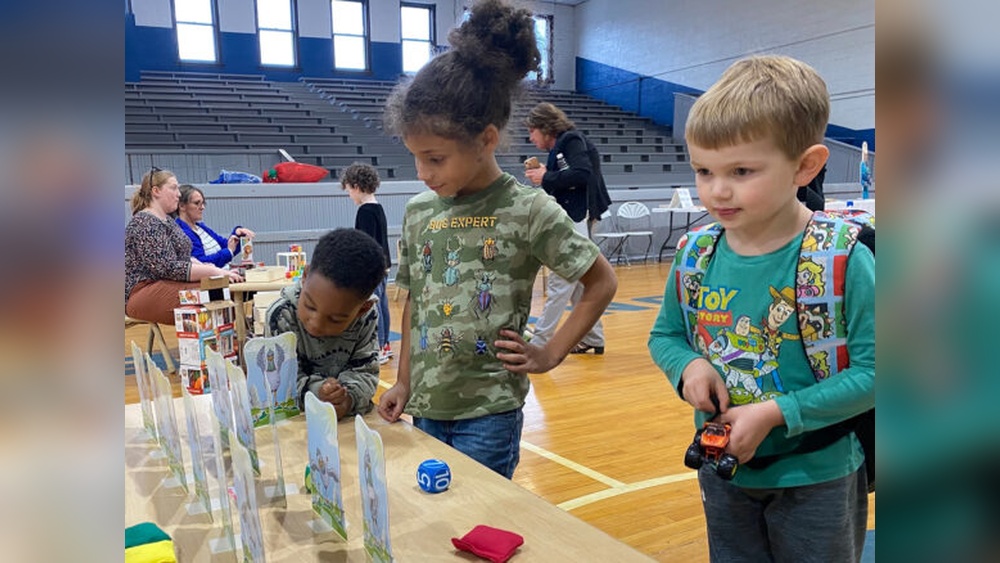
Have you ever noticed how your toddler lights up when they play with a new toy? That simple joy is more than just fun—it’s a powerful step toward your child becoming independent.
Toys are not just for keeping your little one busy; they are tools that help your child learn important skills on their own. You’ll discover how the right toys can boost your toddler’s confidence, decision-making, and self-reliance. Keep reading to find out how you can support your child’s independence through play.
Credit: www.cbeebies.com
Role Of Play In Toddler Growth
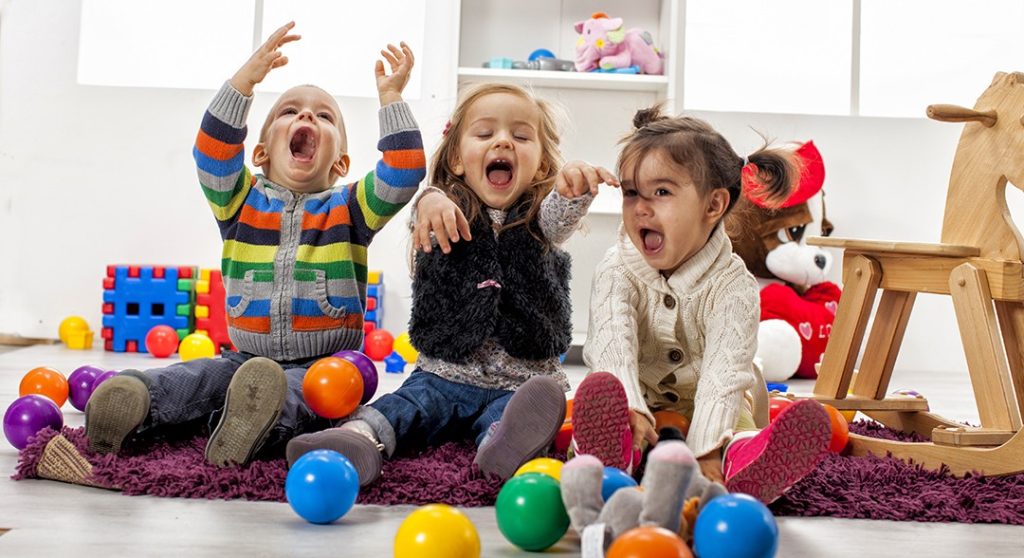
Play is the natural way toddlers learn about the world. It helps them explore, try new things, and understand their surroundings. Through play, toddlers gain skills that build their confidence and independence.
Each toy offers a chance to practice different abilities. These moments of play help toddlers grow physically, mentally, and emotionally. Toys are more than fun; they are tools for learning and self-discovery.
Building Motor Skills
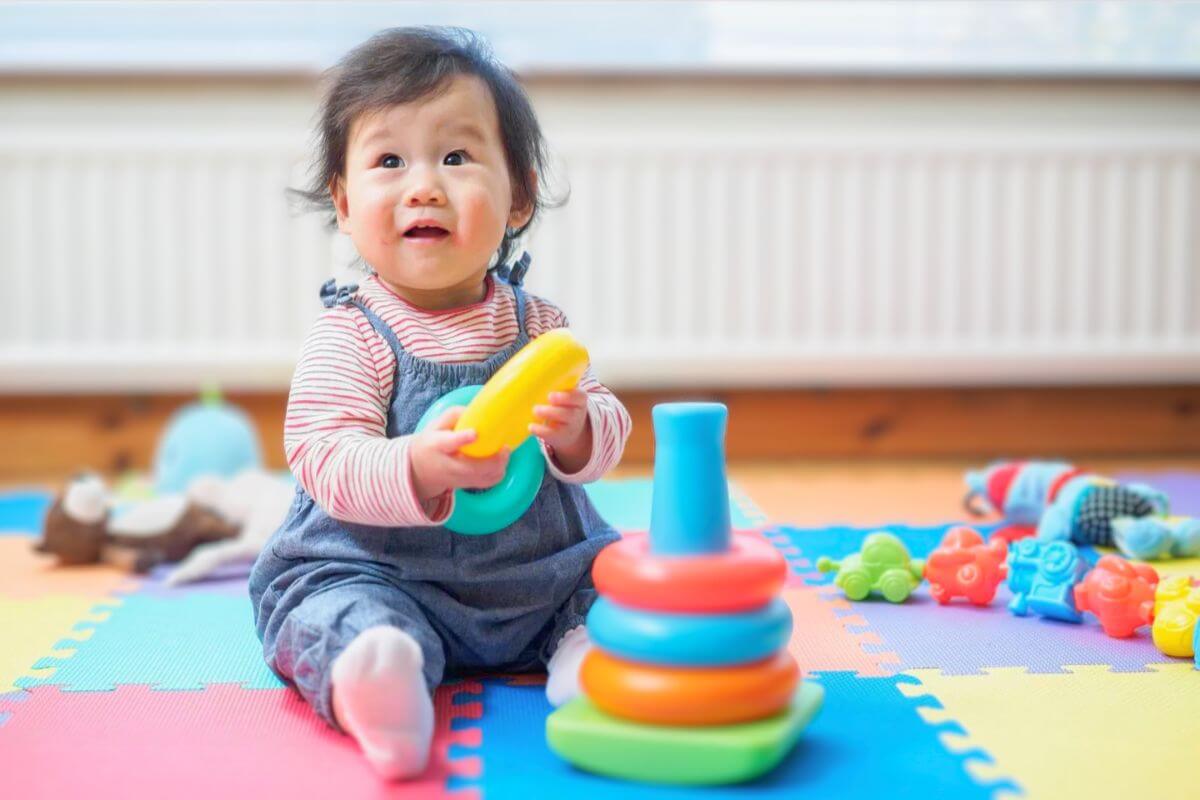
Toys that toddlers can hold, push, or pull help develop motor skills. These actions strengthen small muscles in their hands and fingers. Playing with blocks, stacking rings, or simple puzzles improves hand-eye coordination.
Active play with balls or ride-on toys enhances balance and large muscle strength. These physical skills allow toddlers to do more tasks by themselves, supporting their independence.
Encouraging Problem Solving
Many toys challenge toddlers to think and find solutions. Puzzles, shape sorters, and building sets teach cause and effect. Toddlers learn to try different ways to fit pieces or create structures.
This process builds critical thinking and patience. Solving small problems helps toddlers feel capable and proud. These experiences boost their ability to handle new challenges alone.
Fostering Emotional Expression
Play allows toddlers to express feelings safely. Dolls, stuffed animals, and role-play toys help them act out emotions. They can show happiness, sadness, or frustration through these activities.
This expression supports emotional understanding and control. Toddlers learn to name their feelings and manage them better. Emotional growth through play is key to becoming confident and independent.
Choosing Toys That Boost Independence
Choosing toys that help toddlers grow independence is very important. These toys encourage kids to explore and try new things. They also build confidence and problem-solving skills.
Parents should pick toys that let children make choices and learn by doing. Toys that are simple yet flexible work best. They invite creativity and self-discovery.
Open-ended Toys
Open-ended toys have no fixed way to play. Blocks, stacking cups, and simple dolls fit here. Toddlers can use these toys in many ways. This freedom helps children decide what to do. It boosts their thinking and planning skills.
Self-help Skill Toys
Self-help skill toys teach kids daily tasks. Toys with buttons, zippers, or laces are good examples. They help toddlers practice dressing and feeding. These toys promote independence by encouraging practice. Kids feel proud when they succeed alone.
Safe Exploration Tools
Safe tools let toddlers explore their world without danger. Child-friendly magnifying glasses, safe kitchen sets, or simple puzzles work well. These toys invite curiosity and learning. They help children understand their surroundings safely. Exploration builds confidence and independence.
Toys That Promote Confidence
Toys that promote confidence help toddlers try new things alone. They build a sense of success. This boosts their independence and self-esteem. Toddlers learn they can solve problems and make choices by themselves.
These toys encourage exploration and creativity. They allow children to see the results of their actions. This helps them trust their abilities and feel proud.
Cause And Effect Toys
Cause and effect toys show toddlers how one action leads to another. Pressing a button to make a sound or light turns on builds understanding. Toddlers see their actions have real results. This teaches them to control their world. They feel confident trying again and again. Learning through cause and effect builds early problem-solving skills.
Role-playing Sets
Role-playing sets let toddlers act like grown-ups. They pretend to cook, clean, or care for dolls. This practice helps them learn daily tasks and social skills. Playing roles builds confidence in handling real-life situations. Toddlers feel capable and proud of their new skills. These sets encourage imagination and independence at the same time.
Puzzle Challenges
Puzzles challenge toddlers to think and focus. Matching shapes or fitting pieces develops hand-eye coordination. Completing a puzzle gives a sense of achievement. Toddlers learn patience and persistence through these toys. Each solved puzzle boosts their confidence to try harder tasks. Puzzles support independent thinking and problem-solving.
Credit: www.starshinemontessori.com
Incorporating Toys Into Daily Routine
Incorporating toys into a toddler’s daily routine helps build independence. Toys offer chances for children to explore on their own. This exploration boosts confidence and decision-making skills. Daily play with toys becomes a natural part of learning. It also provides structure, making playtime predictable and safe.
Encouraging Solo Play
Encourage toddlers to play alone for short periods. Choose toys that are easy to use without help. Simple puzzles, blocks, or stacking cups work well. Solo play strengthens focus and problem-solving skills. It also teaches children to enjoy their own company. Start with five minutes and gradually increase the time.
Setting Up Play Areas
Create a safe, inviting space for independent play. Use child-friendly shelves and bins to organize toys. Keep toys within easy reach to promote self-selection. A dedicated play area signals it is time to play. Bright colors and soft mats can make the space appealing. Rotate toys often to maintain interest and challenge skills.
Balancing Guidance And Freedom
Offer support without taking over the play. Watch closely but let toddlers try first. Step in gently if frustration grows too high. Praise effort rather than the result to build confidence. This balance helps toddlers feel secure and free. Freedom in play leads to creativity and self-reliance.
Signs Of Growing Independence In Toddlers
Toddlers show many signs of growing independence as they explore their world. These signs tell us they want to do things by themselves. Toys play a big role in helping toddlers take these steps. They encourage kids to try new actions and solve small problems on their own.
Watching toddlers closely reveals how their independence grows. They start to enjoy playing without help. They make choices and try simple tasks. These moments are important for their confidence and skills.
Self-directed Play
Toddlers begin to choose toys and play activities on their own. They focus on what interests them. This play without adult guidance shows they want control. It helps develop their creativity and decision-making skills. Toys that allow open-ended play support this growth well.
Decision Making
Making choices is a key sign of independence. Toddlers decide what to play with or which color to pick. This simple act builds their confidence. It teaches them to trust their own judgment. Toys that offer options encourage this kind of decision-making.
Handling Small Tasks
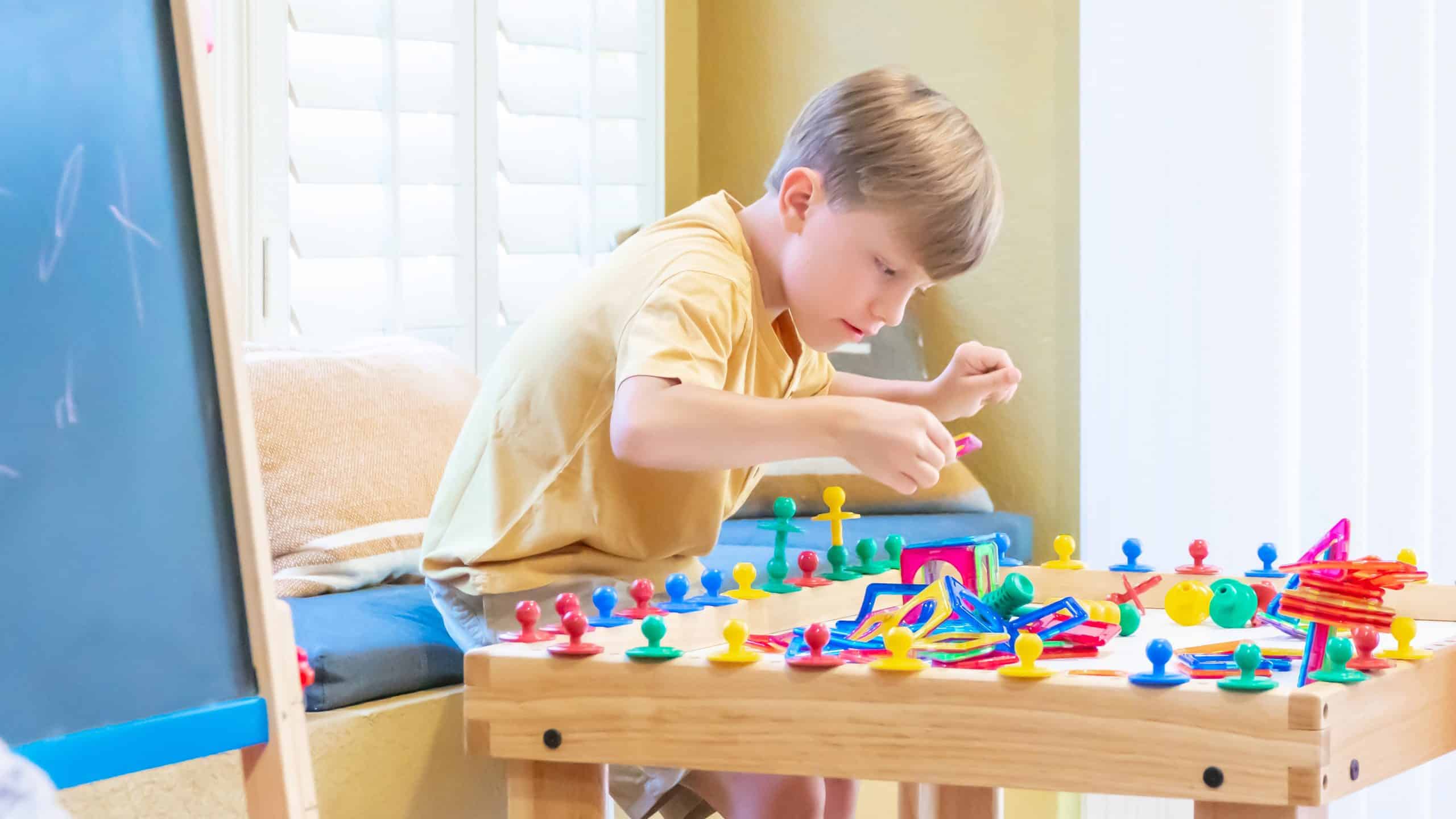
Toddlers start doing small tasks alone. They try to open boxes or put pieces together. These tasks help improve their fine motor skills. Completing tasks gives toddlers a sense of pride. Toys designed for little hands make these tasks fun and doable.
Credit: www.nilotoys.com
Frequently Asked Questions
How Do Toys Boost Toddler Independence?
Toys encourage toddlers to explore and solve problems alone. This builds confidence and decision-making skills. Independent play fosters self-reliance and creativity, essential for early development.
What Types Of Toys Aid Independence?
Building blocks, puzzles, and role-play toys promote independence. These toys challenge toddlers to think and act without constant help. They also improve fine motor skills and cognitive abilities.
When Should Toddlers Start Playing Independently?
Toddlers can begin independent play around 12 to 18 months. Short, supervised sessions help them get comfortable alone. Gradually increasing playtime boosts their confidence and autonomy.
How Do Toys Develop Problem-solving Skills?
Toys like puzzles require toddlers to find solutions independently. This enhances critical thinking and patience. Problem-solving toys encourage trial-and-error learning, which is crucial for brain growth.
Conclusion
Toys play a big role in helping toddlers grow independent. They learn to solve problems and make choices alone. Playing also builds their confidence and creativity. Simple toys encourage toddlers to explore and try new things. This helps them feel proud and capable every day.
Parents can support this by offering safe and fun toys. Watching children play brings joy and hope for their bright future. Independence starts small, with play and gentle guidance. Toddlers gain skills that last a lifetime through their toys.
