
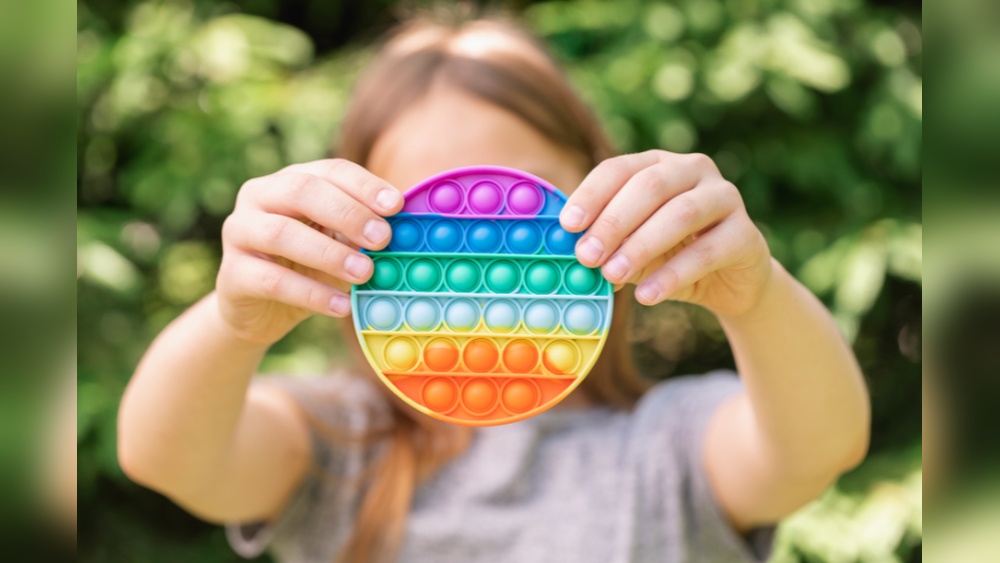
Have you ever noticed how your toddler’s attention seems to flicker from one thing to another? It can be frustrating when you want them to focus, but their little minds are always on the move.
What if there was a simple way to help your child build better focus while they play? Toys aren’t just for fun—they can be powerful tools that boost your toddler’s ability to concentrate. You’ll discover how the right toys can turn playtime into a focus-building adventure for your child.
Keep reading to find out how to choose toys that truly support your toddler’s growing mind.
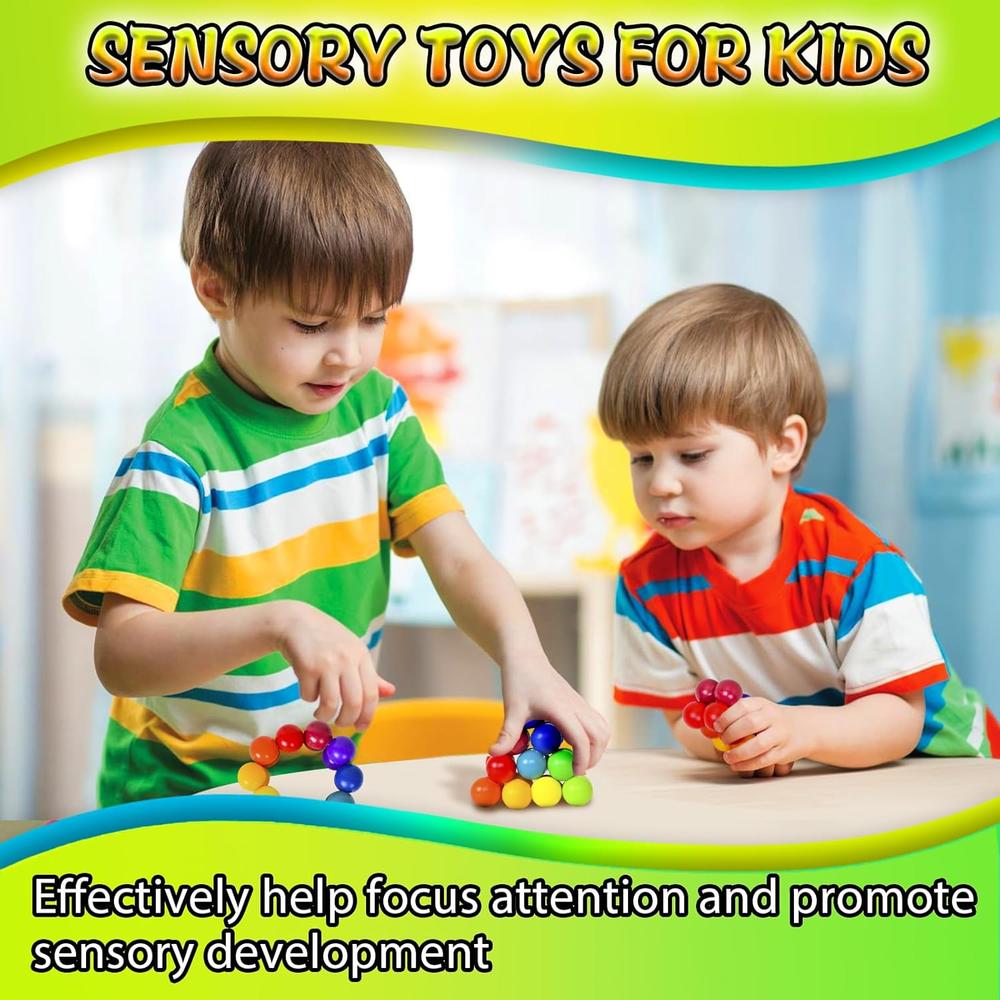
Credit: www.pirouette-editions.fr
Role Of Toys In Focus Development
Toys play an important role in helping toddlers develop focus. They catch a child’s interest and keep their mind busy. Through play, toddlers learn to pay attention for longer periods. The right toys challenge their thinking and keep them engaged.
Focus is a skill that grows with practice. Toys offer chances for toddlers to build this skill naturally. Each type of toy helps in different ways. Some toys improve attention span, while others teach problem solving or patience.
Stimulating Attention Span
Toys with bright colors and interesting shapes attract toddlers quickly. These toys hold their gaze and encourage exploration. Puzzles and blocks require kids to focus on fitting pieces together. Such activities train their brain to stay on one task. Over time, toddlers learn to concentrate for longer moments.
Encouraging Problem Solving
Toys that involve figuring out solutions boost focus. Simple puzzles or shape sorters make toddlers think carefully. They pay attention to details and try different ways to solve problems. This process sharpens their mental skills and keeps their focus steady. Problem-solving toys teach kids to work through challenges calmly.
Promoting Patience And Persistence
Some toys need repeated tries to succeed. Building blocks or stacking rings ask toddlers to keep trying. They learn to wait and keep working on tasks. This practice grows their patience and helps them focus longer. Toys that require effort teach toddlers not to give up easily.
Types Of Toys That Enhance Focus
Toys play a big role in helping toddlers develop focus. Different types of toys guide children to pay attention and solve problems. These toys improve their ability to concentrate for longer periods.
Choosing the right toys is important. Some toys encourage toddlers to think carefully and stay engaged. Others help them practice hand-eye coordination and patience. Below are types of toys that enhance focus in toddlers.
Building Blocks And Puzzles
Building blocks and puzzles are great for focus. Toddlers must match shapes and colors. They learn to fit pieces together step by step. This keeps their mind busy and sharp. These toys also teach problem-solving skills and patience.
Interactive Learning Toys
Interactive learning toys offer sounds, lights, and buttons. Toddlers respond to these features by pressing or moving parts. This kind of play grabs their attention. It helps them focus on cause and effect. These toys also improve memory and listening skills.
Creative And Artistic Toys
Creative toys like crayons, clay, and stamps inspire toddlers to create. They focus on drawing shapes or molding figures. This builds fine motor skills and concentration. Artistic play allows toddlers to express ideas while staying engaged.
How Playtime Builds Cognitive Skills
Playtime is more than just fun for toddlers. It helps their brains grow and develop important skills. Through play, toddlers learn to focus better and improve their thinking abilities. Toys guide them to explore, solve problems, and remember new things. This section explains how playtime builds key cognitive skills in young children.
Improving Memory And Concentration
Toys that involve sorting, matching, or repeating help toddlers remember patterns and details. Playing with these toys encourages focus for longer periods. Toddlers practice paying attention to small parts and remembering sequences. This strengthens their memory and helps with concentration in other tasks.
Enhancing Hand-eye Coordination
Many toys require toddlers to use their hands and eyes together. Building blocks, puzzles, and stacking toys help improve this skill. Toddlers learn to control their hand movements while watching closely. This coordination is important for everyday activities like eating and writing.
Fostering Language Development
Playtime often includes talking, naming, and describing toys or actions. This helps toddlers learn new words and sounds. Interactive toys encourage listening and speaking. Through play, toddlers practice using language and improve their communication skills.

Credit: www.firsttimemumsuk.co.uk
Tips To Choose The Right Toys
Choosing the right toys helps toddlers build focus and learn new skills. Toys should match their interests and abilities. The right toy keeps a child busy and curious. This section shares tips to pick toys that support focus and growth.
Age-appropriate Selection
Select toys designed for your toddler’s age group. Toys that are too hard or too easy can cause frustration or boredom. Age-appropriate toys challenge their minds just enough. Look for labels that suggest suitable age ranges. Choose toys that match your child’s current skills and help develop new ones.
Safety Considerations
Safety is vital when choosing toys for toddlers. Avoid small parts that they can swallow. Check for sharp edges or loose pieces. Pick toys made from non-toxic materials. Make sure the toy is sturdy and well-made. Safe toys allow toddlers to explore without risk.
Encouraging Independent Play
Choose toys that encourage toddlers to play alone. Toys that invite imagination help focus and creativity. Simple puzzles, blocks, or sorting games work well. Avoid toys that need constant adult help. Independent play builds confidence and longer attention spans.
Incorporating Toys Into Daily Routine
Incorporating toys into a toddler’s daily routine helps build focus naturally. Toys provide chances to explore and learn. When toys fit well into daily activities, toddlers stay interested and attentive longer.
Setting Playtime Limits
Short, regular play sessions work best for toddlers. Set clear start and end times for play. This helps children know what to expect. Limits prevent overstimulation and keep focus sharp. Consistent timing builds a strong daily habit.
Balancing Structured And Free Play
Structured play guides toddlers with specific goals. Free play lets them explore toys in their own way. Both types of play develop different focus skills. Mix these to keep playtime fresh and engaging. Balance helps toddlers learn self-control and creativity.
Creating An Engaging Play Environment
Organize toys in a neat, easy-to-reach space. A calm area reduces distractions and boosts focus. Use colorful, simple toys that match your toddler’s interests. Rotate toys often to maintain excitement. A well-set space invites longer, more focused play.

Credit: www.amazon.com
Signs Of Improved Focus In Toddlers
Toddlers develop focus through play. Toys help children pay attention and stay engaged. Parents and caregivers can notice clear signs that a toddler’s focus is improving. These signs show the child is learning to concentrate better.
Recognizing these signs helps adults support toddlers’ growth. Toys that challenge the mind encourage longer and deeper focus. Watch for these behaviors to understand your toddler’s progress.
Longer Play Sessions
Toddlers with better focus play for longer times. They stay interested in one toy or activity without getting distracted. This shows they can concentrate on tasks and enjoy them more. Longer play means the child’s brain is working to stay attentive.
Increased Task Completion
A toddler who finishes what they start shows improved focus. They follow through with activities from beginning to end. Completing tasks helps build confidence and patience. Toys that require steps or actions encourage this skill.
Better Attention To Details
Toddlers who notice small parts or differences have sharper focus. They observe colors, shapes, and textures more carefully. This attention helps with learning and problem-solving. Toys with patterns, puzzles, or matching games support detail recognition.
Frequently Asked Questions
How Do Toys Improve Toddlers’ Focus Skills?
Toys engage toddlers in activities that require attention and concentration. They stimulate brain development and help build patience. Playing with toys encourages toddlers to focus on tasks and complete them, enhancing their overall ability to concentrate.
Which Toys Best Enhance Toddler Concentration?
Toys like puzzles, building blocks, and shape sorters boost toddler concentration. These toys require problem-solving and hand-eye coordination. They challenge toddlers to focus and think critically, improving their attention span effectively.
How Long Should Toddlers Play To Build Focus?
Short, frequent play sessions of 10-15 minutes work best. Toddlers have limited attention spans, so brief play helps maintain interest. Regular playtime gradually increases their ability to focus longer over time.
Can Educational Toys Aid Toddler Focus Development?
Yes, educational toys promote learning and concentration simultaneously. They introduce new concepts while encouraging active engagement. These toys make focus development enjoyable and meaningful for toddlers.
Conclusion
Toys play a big role in helping toddlers focus better. They keep children interested and engaged for longer times. Playing with toys also teaches patience and problem-solving skills. Kids learn how to pay attention to small details. Simple toys can make a big difference in a child’s growth.
Parents should choose toys that match their child’s age and interests. Watching a child play shows how toys support their focus. This helps build strong learning habits for the future. Toys are more than fun—they help little minds grow.
