
Do you ever wonder why your toddler clings to their favorite toy when they’re upset? Toys do more than just entertain—they help your little one calm down and feel safe.
When your child feels overwhelmed, the right toy can become a powerful tool to soothe their emotions. You’ll discover how toys work as calming aids for toddlers and how you can use them to support your child’s emotional growth. Keep reading to learn simple, practical ways to help your toddler find peace through play.

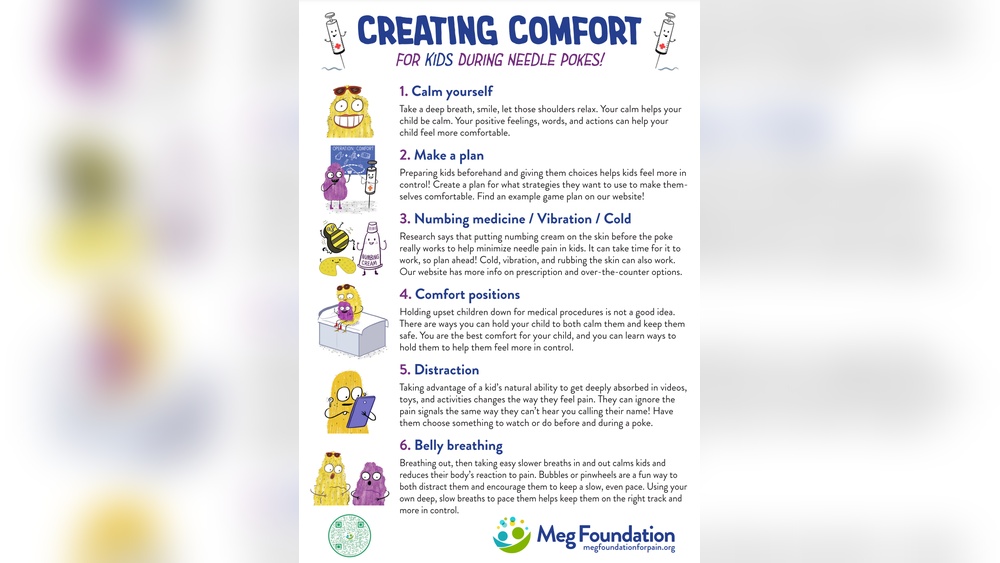
Credit: ilslearningcorner.com
Role Of Toys In Toddler Soothing
Toys play a key role in helping toddlers calm down. They offer more than just fun. Toys can provide comfort and help children manage their feelings.
Through toys, toddlers learn to control their emotions and find peace. Play becomes a way for them to feel safe and secure.
Emotional Comfort Through Play
Toys often act as friends or companions. Toddlers hug soft toys to feel safe. These toys help reduce fear and anxiety.
Playing with familiar toys brings a sense of routine. This routine helps toddlers feel calm and less stressed.
Toys As Distraction Tools
Toys can shift a toddler’s attention from upsetting feelings. Bright colors and interesting shapes catch their eyes.
Distraction with toys helps avoid tantrums. It gives toddlers time to relax and calm down.
Fostering Independence With Toys
Toys help toddlers feel more in control. They make choices while playing and solve simple problems.
This independence builds confidence. Confident toddlers often feel calmer and more secure.
Types Of Soothing Toys
Toddlers find comfort in different types of toys that soothe their minds and bodies. These toys help them relax and manage their feelings. Toys with soft textures, interactive features, or small parts to move can calm toddlers. Each type offers unique benefits for self-soothing.
Soft And Sensory Toys
Soft toys like plush animals provide warmth and comfort. Their gentle touch helps toddlers feel safe. Sensory toys include items with varied textures, colors, and sounds. They engage the senses and distract from stress. These toys encourage exploration while calming emotions.
Interactive And Educational Toys
Interactive toys respond to touch, sound, or movement. They keep toddlers busy and focused. Educational toys teach simple skills, such as shapes and colors. Learning through play helps shift attention from upset feelings. These toys build confidence and calm the mind.
Fidget And Manipulative Toys
Fidget toys include small objects to twist, squeeze, or spin. Manipulative toys involve buttons, levers, or sliding pieces. Moving these toys helps release nervous energy. They improve fine motor skills and offer soothing distraction. Toddlers enjoy the repetitive motion and tactile feedback.
Techniques To Use Toys For Calming
Toys can be powerful tools to help toddlers calm down. Using them the right way can support emotional control. Here are simple techniques to use toys for calming toddlers effectively.
Each method creates a peaceful space where children feel safe. This helps them relax and manage strong feelings better.
Creating A Calm Play Environment
Choose a quiet, cozy spot for playtime. Soft lighting and minimal noise help reduce distractions. Keep toys organized and easy to reach. This setup makes play feel safe and inviting. Toddlers stay focused and calm in such spaces.
Routine Incorporation Of Toys
Use calming toys regularly during daily routines. Soft stuffed animals or sensory balls work well. Introducing toys during nap or bedtime eases transitions. Predictable play helps toddlers know what to expect. This lowers anxiety and promotes calmness.
Guided Play For Emotional Regulation
Join your toddler during play and gently guide them. Show how to use toys to express feelings. For example, squeeze a stress ball to release tension. Talk about emotions while playing. This teaches toddlers to handle emotions using toys.
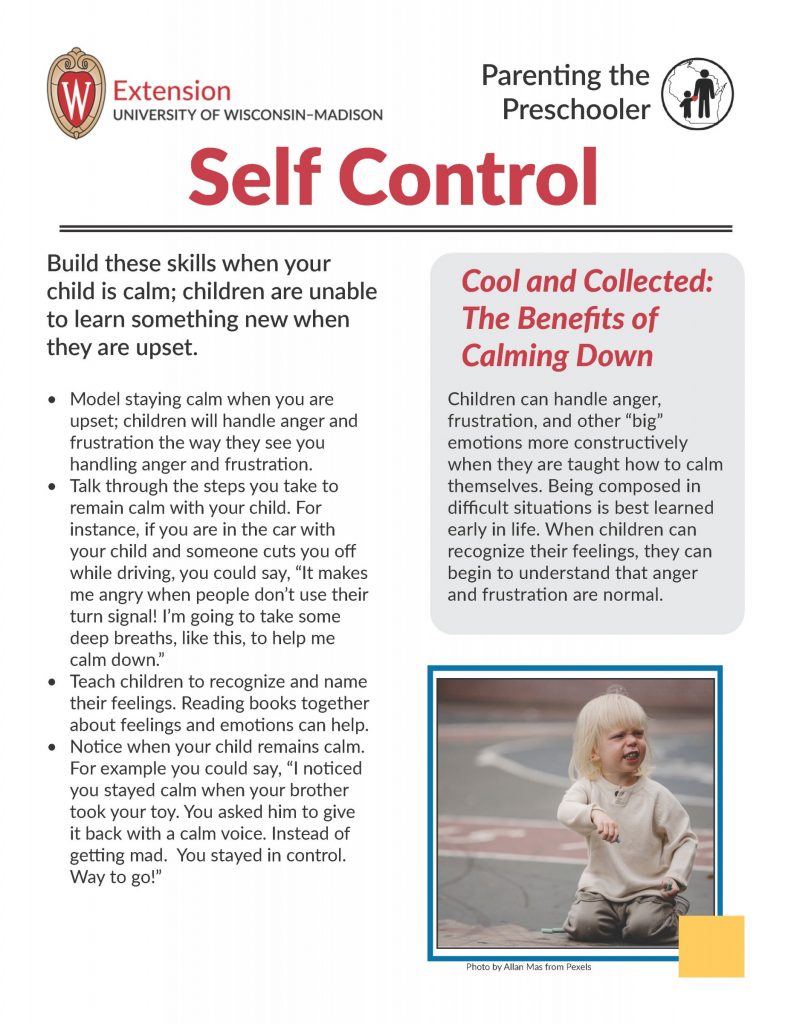
Credit: fyi.extension.wisc.edu
Benefits Of Toy-based Soothing
Toys play a key role in helping toddlers calm down. They offer a safe way for little ones to manage strong feelings. Through play, toddlers learn to soothe themselves without needing constant help. This helps build their independence and emotional strength.
Toy-based soothing also supports mental and emotional growth. Simple toys can turn stressful moments into chances for learning and comfort. Parents and caregivers can use toys as tools to guide toddlers through big emotions.
Reducing Toddler Anxiety
Toys provide a distraction from worries and fears. Holding a soft toy or playing with a favorite item can lower stress. These objects give toddlers a sense of security. Anxiety lessens as children focus on their toys instead of scary feelings.
Enhancing Focus And Patience
Playing with toys requires attention and calm. Toddlers learn to wait and concentrate during playtime. This practice builds patience and self-control. Toys help children practice staying calm for longer periods.
Supporting Emotional Expression
Toys allow toddlers to show their feelings safely. They can act out emotions through play, like anger or sadness. This helps children understand and express what they feel inside. Expressing emotions with toys reduces frustration and confusion.
Tips For Choosing Effective Soothing Toys
Choosing the right soothing toys helps toddlers calm down quickly. The right toy can comfort a child and reduce stress. Parents should focus on toys that fit the child’s needs and personality. This guide shares useful tips for picking soothing toys that really work.
Age-appropriate Selection
Select toys that match the toddler’s age. Young toddlers need simple toys with soft textures. Older toddlers enjoy toys with more shapes and colors. Toys too advanced can cause frustration. Toys too simple may not hold their interest. Age-appropriate toys keep toddlers calm and happy.
Safety And Durability
Choose toys made from safe, non-toxic materials. Avoid small parts that toddlers might swallow. Toys should be strong and last long. Toddlers often chew or drop their toys. Durable toys stay safe and useful. Safety and strength are a must for calming toys.
Encouraging Imaginative Play
Pick toys that let toddlers use their imagination. Soft dolls, animal figures, or blocks work well. Imaginative play helps children express feelings and relax. Toys that inspire creativity keep toddlers engaged. This focus helps toddlers calm themselves naturally.

Credit: www.healthline.com
Frequently Asked Questions
How Do Toys Help Toddlers Manage Emotions?
Toys provide toddlers with a distraction and a way to express feelings. They help reduce stress and promote calmness. Engaging with toys encourages focus and emotional regulation, which supports self-soothing skills during upsetting moments.
What Types Of Toys Calm Toddlers Best?
Soft toys, sensory toys, and simple puzzles work best to calm toddlers. These toys engage touch, sight, and problem-solving, promoting relaxation. They help toddlers feel secure and occupied, reducing anxiety and emotional overwhelm.
Can Toys Improve Toddlers’ Self-soothing Abilities?
Yes, toys encourage toddlers to practice self-soothing by offering comfort and engagement. Through repetitive play, toddlers learn to calm themselves independently. This skill supports emotional development and helps them handle stress better over time.
Why Is Play Important For Toddlers’ Emotional Health?
Play allows toddlers to explore feelings safely and learn coping strategies. It fosters creativity, confidence, and emotional expression. Toys play a key role by providing tools for self-regulation and calming during emotional challenges.
Conclusion
Toys give toddlers a way to feel safe and calm. They help children focus and relax during tough moments. Playing with toys also teaches them to manage feelings better. Simple toys can bring comfort and reduce stress quickly. Parents can use toys to support their child’s emotional growth.
Toddlers learn to soothe themselves through fun and play. This helps build confidence and peace inside. Toys are more than just fun—they are tools for calm.
