
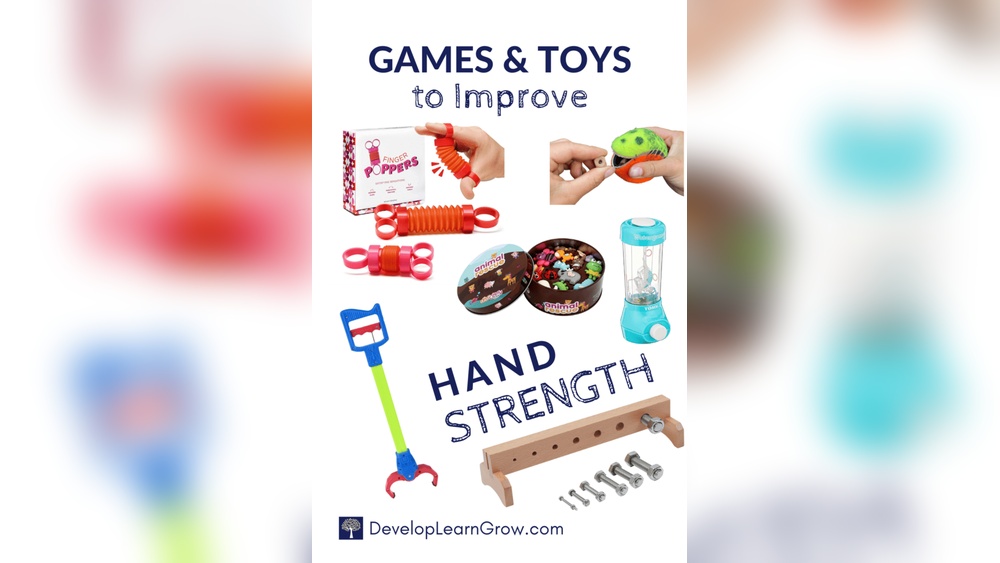
You want your toddler to grow strong and confident, and building hand strength is a key part of that. But did you know that the right toys can make this process fun and natural?
When your little one plays with certain toys, they’re not just having fun—they’re also developing the muscles they need for everyday tasks like writing, buttoning clothes, and even eating. Keep reading to discover how simple playtime can help your child build the hand strength they need for a bright, independent future.
Benefits Of Hand Strength For Toddlers
Hand strength is key for toddlers. It helps their hands grow strong and ready for many tasks. Toys that build hand strength support this important growth. Strong hands help toddlers explore and learn through play.
Impact On Fine Motor Skills
Strong hands improve fine motor skills. These skills include picking up small objects and using fingers well. Toddlers with good hand strength can hold toys better. They also can stack blocks and turn pages easily.
Role In Daily Activities
Hand strength helps toddlers in daily tasks. They can open doors, hold utensils, and dress themselves. These actions build their independence. Toys that build hand strength prepare toddlers for these activities.
Foundation For Writing
Writing needs strong hands and fingers. Toddlers with strong hands can hold pencils and crayons better. This skill supports early writing and drawing. Toys that build hand strength make writing easier later.

Credit: www.amazon.com
Types Of Toys That Build Hand Strength
Toys play a key role in helping toddlers build hand strength. Different types of toys encourage various hand movements. These movements help muscles grow stronger. Choosing the right toys can support a toddler’s physical development. Here are some toys that help build hand strength effectively.
Squeezable Toys
Squeezable toys are soft and easy to hold. Toddlers can squeeze them with their fingers and palms. This action strengthens grip and finger muscles. These toys also improve hand coordination. They are safe for toddlers and come in many shapes.
Building Blocks And Stacking Sets
Building blocks require toddlers to pick up and place pieces carefully. Stacking sets help improve hand control and accuracy. These toys encourage grasping and releasing movements. They also promote fine motor skills by using fingers precisely. Playing with blocks builds finger strength and hand-eye coordination.
Puzzles With Knobs
Puzzles with knobs are perfect for little hands. Toddlers hold the knobs to lift and fit puzzle pieces. This action strengthens finger muscles and improves grip. The small knobs help develop pincer grasp. Puzzles also boost problem-solving skills and focus.
Shape Sorters
Shape sorters ask toddlers to pick up shapes and place them in matching holes. This activity requires finger strength and hand-eye coordination. It helps children learn to grasp and release objects. Shape sorters improve fine motor skills and hand muscle control. Toddlers enjoy the challenge and the colorful shapes.
How Play Encourages Muscle Development
Toys help toddlers build hand strength through fun activities. Play encourages muscles to grow strong. Toddlers use their hands in many ways while playing. Each action helps develop different muscles. This development supports future skills like writing and self-care.
Playing with toys is not just fun. It is a natural way for toddlers to exercise their hands. Small movements create muscle power. These movements also improve coordination and control.
Grasping And Releasing
Grasping toys helps toddlers strengthen their fingers and palms. Holding objects of different sizes trains their muscles. Releasing the toys teaches control and timing. This push-and-pull motion builds hand endurance.
Pinching And Poking
Pinching small parts of toys works the thumb and fingertips. It improves precision and fine motor skills. Poking buttons or holes encourages finger movement and strength. These actions prepare toddlers for tasks like buttoning clothes.
Twisting And Turning
Twisting toy lids or knobs develops wrist and finger muscles. Turning parts of toys improves hand coordination. These movements also enhance dexterity and strength. They are important for daily tasks like opening jars.

Credit: www.amazon.com
Choosing The Right Toys For Toddlers
Choosing the right toys for toddlers is important to help build hand strength. The right toys encourage grasping, squeezing, and manipulating. These actions develop muscles and coordination. Not all toys suit every toddler’s needs. Select toys with care to support growth and safety.
Age-appropriate Options
Toys should match a toddler’s age and skill level. Younger toddlers need larger pieces that are easy to hold. Toys with simple shapes and textures work well. Older toddlers can use toys with smaller parts and more challenge. Age-appropriate toys keep toddlers interested and safe.
Safety Considerations
Safety is crucial when choosing toys. Avoid small parts that can cause choking. Check for sharp edges or loose pieces. Look for non-toxic materials and secure construction. Toys should meet safety standards and be easy to clean. Safe toys protect toddlers while they build hand strength.
Materials And Durability
Toys made from sturdy materials last longer. Wood and thick plastic are good choices. Soft toys should be washable and firm enough to hold. Durable toys withstand rough play without breaking. Strong toys allow toddlers to practice hand skills safely and repeatedly.
Tips To Boost Hand Strength Through Play
Building hand strength in toddlers is key for their growth. Play offers a natural way to develop these muscles. Simple tips can make this process enjoyable and effective. Focus on consistent play, variety, and fun to help toddlers improve hand skills.
Incorporate Daily Play Sessions
Set aside time each day for play that targets hand strength. Short sessions work best for young children. Regular practice builds muscle and improves coordination. Use toys like blocks, playdough, or puzzles. Daily play creates a routine and supports steady progress.
Encourage Variety In Activities
Offer different toys and tasks to challenge hand muscles. Mixing activities keeps toddlers interested. Include squeezing, pinching, and grasping exercises. Use items such as balls, beads, or stacking cups. Variety helps develop all parts of the hand and fingers.
Make Play Interactive And Fun
Engage with your toddler during play. Cheer them on and join the activities. Use simple games that involve hand movements. Fun encourages longer play and better effort. Interaction strengthens the bond and motivates the child to practice more.
Signs Of Progress In Hand Strength
Watching toddlers play with toys reveals clear signs of growing hand strength. These signs show how their muscles and skills develop. Parents and caregivers can notice these changes through everyday activities and playtime. Recognizing progress helps support further growth in fine motor skills.
Improved Grip And Control
Toddlers begin holding toys more firmly and steadily. Their fingers wrap around objects with less effort. This stronger grip lets them explore toys without dropping them. They start using both hands together to hold and move items. This control is a key step in hand strength development.
Increased Dexterity
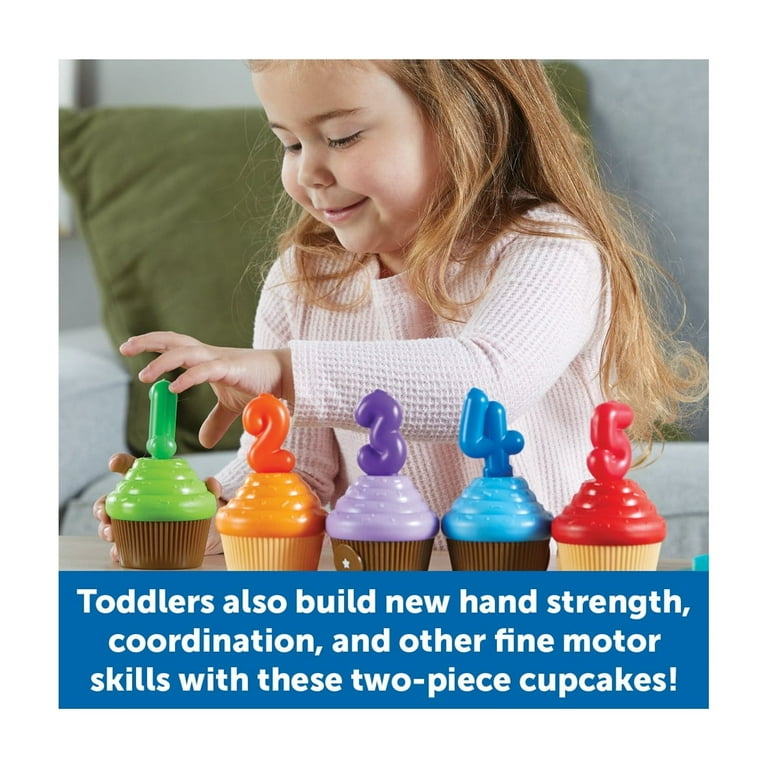
Small finger movements become smoother and faster. Toddlers can pick up tiny parts like blocks or buttons. They use their thumb and fingers to pinch and grasp objects. This dexterity helps with tasks like turning pages or stacking rings. It shows growing coordination and hand muscle use.
Ability To Handle Complex Toys
Toddlers try playing with toys that have buttons, switches, or wheels. They can twist, press, or pull parts with less help. These actions need stronger hands and better movement control. Handling complex toys shows readiness for more challenging activities. It reflects improved hand strength and confidence.
Credit: www.walmart.com
Frequently Asked Questions
How Do Toys Improve Toddlers’ Hand Strength?
Toys encourage toddlers to grasp, squeeze, and manipulate objects. These actions build muscles and coordination in their hands. Strong hand muscles help toddlers with daily tasks and fine motor skills development.
What Types Of Toys Best Build Hand Strength?
Toys that require squeezing, pulling, or pressing are ideal. Examples include stress balls, building blocks, and play dough. These toys engage different hand muscles and improve dexterity and grip strength.
How Often Should Toddlers Play With Hand-strengthening Toys?
Daily play sessions of 15-20 minutes are beneficial. Consistent practice helps muscles develop steadily. Frequent use encourages better hand control and coordination over time.
Can Hand-strengthening Toys Aid Toddler Development?
Yes, these toys support physical and cognitive growth. They enhance fine motor skills, hand-eye coordination, and problem-solving abilities. Strong hands also prepare toddlers for writing and self-care tasks.
Conclusion
Toys play a big role in building toddlers’ hand strength. They help children practice gripping, squeezing, and moving objects. These actions improve muscles needed for writing and self-care. Playing with toys also makes learning fun and keeps kids interested. Choosing the right toys encourages steady progress in hand skills.
Small daily activities with toys add up over time. Strong hands support many important tasks as children grow. Helping toddlers build hand strength today supports their success tomorrow. Simple play can lead to big benefits in development.
