
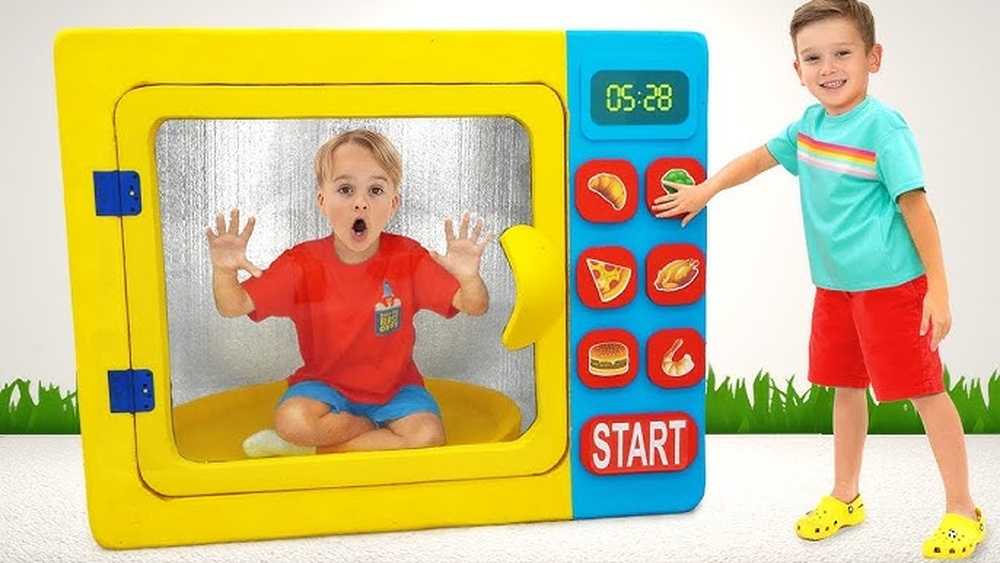
Have you ever noticed how kids naturally come together when they play with toys? It’s more than just fun—it’s how they learn to work as a team.
Toys aren’t just for entertainment; they’re powerful tools that help your child understand sharing, cooperation, and problem-solving. Imagine your child gaining important life skills while playing happily. You’ll discover how the right toys can shape your child’s ability to work well with others and why teamwork is a skill worth nurturing early on.
Keep reading to see how simple play can build strong social skills that last a lifetime.
Role Of Toys In Teamwork
Toys play an important role in teaching kids about teamwork. They create a fun space where children learn how to work together. Through play, kids understand how to share, help, and solve problems as a group. Toys also help children practice social skills that are key to teamwork.
Playing with toys encourages children to cooperate and work toward common goals. It helps them see the value of supporting each other.
Encouraging Collaboration
Toys like building blocks and puzzles require kids to work together. They must plan and combine ideas to complete the task. This teaches children how to join forces and use each other’s strengths. Collaboration through toys helps kids learn the importance of teamwork in a natural way.
Promoting Communication
Many toys encourage kids to talk and share ideas. Board games and role-play sets make children explain their thoughts clearly. This practice improves their speaking and listening skills. Good communication helps kids avoid conflicts and work better in groups.
Building Trust Among Peers
Playing with toys helps children build trust with friends. They learn to rely on each other to finish tasks or follow game rules. Trust grows as kids see that teammates are dependable. This trust is a foundation for strong teamwork and friendships.

Credit: www.amazon.com
Types Of Toys That Foster Teamwork
Toys play a big role in teaching kids about teamwork. Different types of toys encourage children to work together. They help kids share ideas, solve problems, and support each other. These toys make learning teamwork fun and natural.
Board Games And Puzzles
Board games and puzzles need players to cooperate. Kids take turns and follow rules. They learn to listen and communicate clearly. Working together to finish a puzzle builds patience and trust. These toys create chances for kids to practice teamwork skills.
Construction Sets And Building Blocks
Construction sets and building blocks invite kids to build as a team. They share pieces and plan designs together. Kids learn to divide tasks and combine ideas. These toys teach cooperation and creative problem-solving. Building together strengthens bonds and teamwork habits.
Sports And Outdoor Toys
Sports and outdoor toys promote active teamwork. Kids play games that need passing, guarding, and scoring. They develop skills like trust and communication on the field. Outdoor toys encourage fair play and group effort. These activities boost teamwork in a fun, energetic way.
Skills Developed Through Teamwork Toys
Toys that promote teamwork help children learn important skills. These skills shape how they work with others. Playing together with these toys teaches kids lessons beyond fun. They gain abilities that support their growth in many areas.
Teamwork toys encourage kids to think, lead, and feel. They help children understand their role in a group. These toys build a foundation for success in school and life. Here are some key skills kids develop through teamwork toys.
Problem-solving Abilities
Teamwork toys challenge kids to solve problems as a group. They learn to think carefully and find solutions together. Kids share ideas and try different ways to fix issues. These activities improve their critical thinking and creativity. Problem-solving with others builds patience and teamwork skills.
Leadership And Responsibility
Playing with teamwork toys gives kids chances to lead. They learn how to guide friends and make decisions. Leadership helps kids feel confident and responsible. They also discover how to listen and respect others’ opinions. These lessons prepare children to take on roles in groups.
Social And Emotional Growth
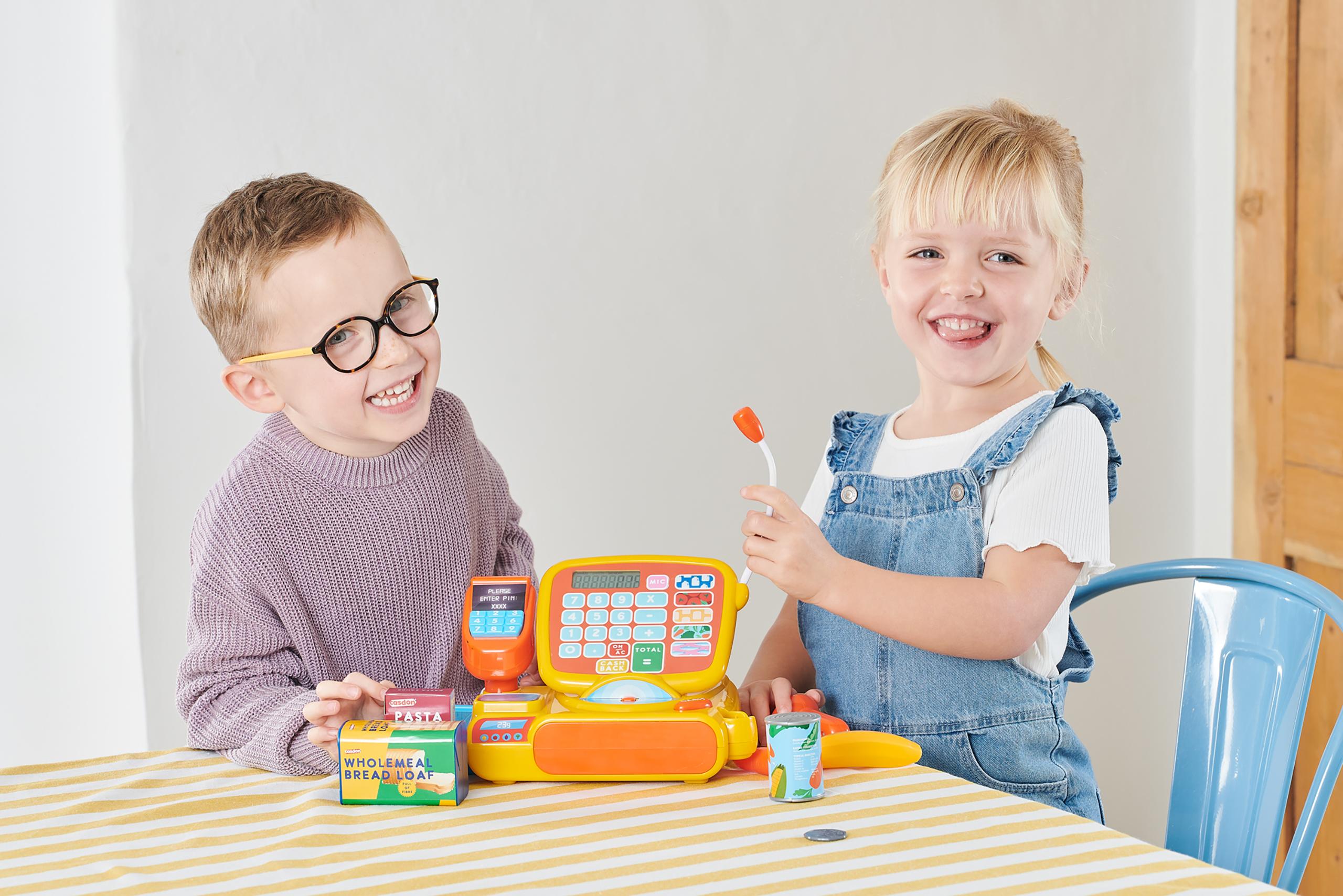
Teamwork toys help kids understand feelings and relationships. They practice sharing, waiting, and cooperating with others. Kids learn to handle emotions like frustration and joy. Playing together builds trust and friendship. These social skills support emotional health and strong bonds.
Credit: www.casdon.com
Making Team Play Fun And Engaging
Making team play fun and engaging helps children learn cooperation naturally. Toys can turn teamwork into an exciting adventure. Kids enjoy playing together more when activities feel like games. This leads to better understanding of group effort and support. Here are some ways to keep team play lively and interesting.
Setting Group Challenges
Group challenges motivate kids to work as one. Toys that require solving problems together boost teamwork skills. Small tasks or puzzles push children to share ideas. They learn how to listen and help each other. Challenges create a sense of achievement for the whole team.
Rewarding Cooperation
Praise and rewards encourage kids to keep cooperating. Recognizing teamwork makes children feel proud and valued. Simple rewards like stickers or extra playtime work well. Rewards show that working together brings positive results. This helps kids want to cooperate more often.
Encouraging Creative Play
Creative play allows children to explore teamwork in fun ways. Toys like building blocks or role-play sets inspire imagination. Kids create stories and projects as a team. This helps them share roles and solve problems. Creative play makes teamwork feel natural and exciting.
Tips For Parents And Educators
Helping children learn teamwork is important for their social growth. Parents and educators play a big role in this learning. Toys can be powerful tools to teach sharing, cooperation, and communication. Choosing the right toys and guiding play can make teamwork lessons clear and fun.
Below are some simple tips to support kids in understanding teamwork through play.
Choosing The Right Toys
Select toys that encourage group play and collaboration. Building sets, puzzles, and board games work well. Avoid toys meant for solo play only. Look for options that require kids to talk and work together. Toys with roles or tasks for each player help kids learn sharing and responsibility.
Facilitating Group Interaction
Encourage kids to play in small groups. Guide them to take turns and listen to each other. Ask questions about their ideas and feelings during play. Praise teamwork efforts, not just winning. Help solve conflicts calmly and teach respect for different opinions. Group play is a chance to practice kindness and patience.
Balancing Competition And Cooperation
Mix games that have both teamwork and friendly competition. Teach kids to enjoy the fun, not just the results. Remind them that losing is okay and part of learning. Help children cheer for others and celebrate group success. Balance keeps play positive and builds good sportsmanship skills.
Credit: www.rifton.com
Frequently Asked Questions
How Do Toys Teach Kids About Teamwork Skills?
Toys encourage collaboration by requiring kids to share, communicate, and solve problems together. This interaction builds essential teamwork skills naturally and playfully.
What Types Of Toys Promote Teamwork Among Children?
Board games, building sets, and role-playing toys are great for teamwork. They require kids to cooperate, strategize, and support each other to succeed.
Why Is Teamwork Important For Child Development?
Teamwork helps kids develop social skills, empathy, and communication. These skills are crucial for school success and lifelong relationships.
Can Playing With Toys Improve Children’s Communication?
Yes, toys often require kids to explain ideas and listen to others. This practice enhances their verbal and non-verbal communication skills.
Conclusion
Toys play a big role in teaching kids teamwork skills. They help children share, take turns, and work together. Playing with others builds trust and communication. Kids learn to solve problems as a team. These lessons stay with them as they grow.
Choosing the right toys can make learning fun and easy. Teamwork skills from play help kids in school and life. Simple toys create strong bonds and happy memories. Teamwork starts with play, step by step.
