
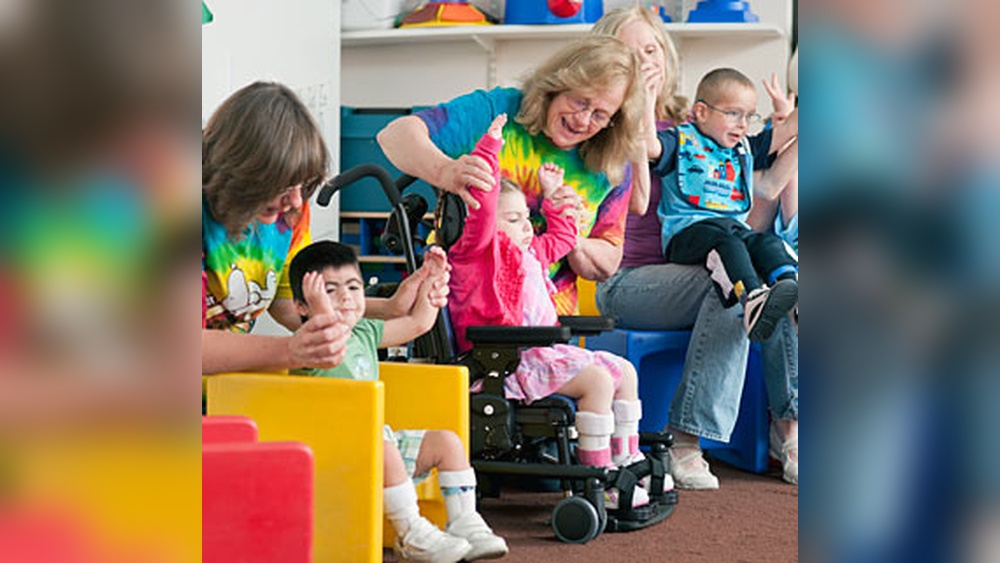
Have you ever noticed how your child lights up when playing with friends? Toys are more than just fun—they’re powerful tools that help kids learn to work together.
When your child shares a toy or builds something as a team, they’re practicing important skills like communication, cooperation, and patience. Imagine giving your child the chance to grow these abilities naturally, just through play. Keep reading to discover how toys can turn everyday moments into valuable lessons in teamwork for your child.
Benefits Of Teamwork In Childhood
Teamwork plays a key role in childhood development. It helps kids learn to work well with others. Playing with toys that require group effort teaches important life skills. These skills help children in school and social settings.
Through teamwork, kids gain confidence and build strong friendships. They learn respect, patience, and how to share. These benefits create a solid foundation for their future.
Building Communication Skills
Teamwork encourages kids to express their ideas clearly. They learn to listen to others with attention. Toys that need teamwork make children talk and explain their thoughts. This practice improves their speaking and listening abilities.
Good communication helps children solve conflicts and work smoothly. It also boosts their ability to understand different viewpoints. These skills are important throughout life.
Fostering Cooperation
Cooperation is about working together towards a shared goal. Team toys help kids understand the value of helping each other. They learn to take turns and support teammates.
Cooperation teaches patience and kindness. Children realize that success comes from working as a group. This builds trust and positive relationships among peers.
Enhancing Problem-solving Abilities
Teamwork often involves solving problems together. Toys that require teamwork challenge kids to find solutions. They must think creatively and share ideas.
Working as a team strengthens critical thinking skills. Children learn to analyze situations and make decisions. These problem-solving abilities prepare them for challenges in life.
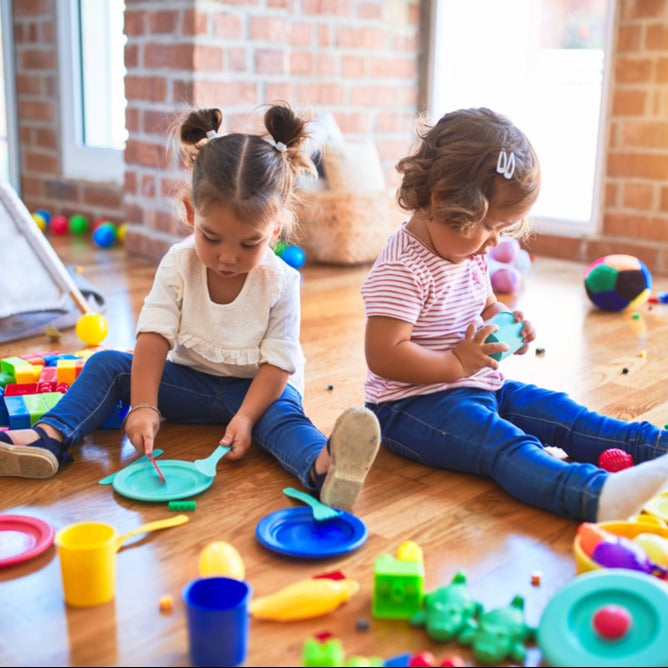
Credit: slumberkins.com
Role Of Toys In Encouraging Team Play
Toys play a key role in helping kids learn teamwork. They create chances for children to work together. Playing with others helps kids share ideas and solve problems as a group. Toys can make team play fun and natural.
Children learn social skills like listening and cooperating during play. Toys guide kids to focus on common goals. These shared experiences build trust and friendships.
Interactive Toys That Require Collaboration
Interactive toys ask kids to work side by side. Building blocks, puzzles, and construction sets need teamwork. Children must communicate and plan to finish the task.
These toys teach kids to share roles and help each other. Collaboration becomes a fun challenge, not a chore. Kids learn how to combine their strengths.
Games That Promote Shared Goals
Games with shared goals bring children together. Board games and group challenges need players to cooperate. Everyone focuses on winning or completing the game together.
Playing these games helps kids practice patience and support. They learn to celebrate team success over individual wins. The fun is in working as one.
Toys That Encourage Turn-taking
Turn-taking toys teach patience and fairness. Toys like card games and simple sports require waiting for a turn. Kids learn to respect others and control impulses.
This practice builds important social habits early. Turn-taking helps children understand balance and fairness. It makes group play smooth and enjoyable.
Types Of Toys That Boost Social Skills
Toys play a big role in helping children learn social skills. Certain types of toys encourage kids to talk, share, and work together. These toys create chances for children to practice teamwork in fun ways. They also help kids understand how to cooperate and solve problems as a group.
Board Games For Group Interaction
Board games bring children together in a shared activity. Players take turns and follow rules. This teaches patience and fairness. Kids learn to wait and listen to others. They also practice winning and losing gracefully. Board games help children build communication skills by discussing moves and strategies.
Building Sets For Cooperative Projects
Building sets like blocks or LEGO inspire teamwork. Children plan and build together. They share ideas and materials. This encourages problem-solving and cooperation. Kids learn to divide tasks and help each other. Building sets also improve focus and creativity in group settings.
Role-playing Toys For Empathy
Role-playing toys let children act out different roles. Kids pretend to be doctors, teachers, or parents. This helps them understand others’ feelings and perspectives. Role-play builds empathy and social awareness. Children practice speaking and listening in varied situations. These toys encourage kindness and respect for others.
How Parents Can Support Teamwork Through Play
Parents play a big role in helping children learn teamwork through play. Toys are not just fun; they teach kids how to work together. Parents can guide children to use toys in ways that build cooperation and sharing skills. This support helps kids build strong friendships and work well with others.
Choosing The Right Toys
Select toys that require cooperation to play. Puzzles, building blocks, and board games are great choices. These toys need kids to share ideas and help each other. Avoid toys that encourage solo play only. Toys that promote teamwork make playtime a learning time.
Guiding Group Activities
Parents can lead group play to teach teamwork steps. Set simple rules for sharing and taking turns. Encourage kids to solve problems together during play. Step in gently if conflicts arise and guide kids to talk it out. Group activities help children understand fairness and respect.
Encouraging Positive Communication
Talk to children about using kind words with friends. Praise them when they listen and share well. Teach children to say “please” and “thank you” during play. Positive communication builds trust and helps teamwork grow. Kids who talk nicely work better as a team.
Signs Of Improved Teamwork Skills
Signs of improved teamwork skills in children show clear changes in how they interact. These signs help parents and teachers see progress. Toys play a key role in developing these skills by encouraging group play and cooperation.
Children start to handle group tasks better. They learn to work with others and solve problems together. This growth shows in several important ways.
Better Conflict Resolution
Children begin to solve disagreements calmly. They talk about problems instead of arguing. Toys that require taking turns or sharing help with this. Kids learn to listen and find fair solutions. This skill helps them in school and friendships.
Increased Sharing And Helping
Sharing becomes easier and more natural. Kids offer toys and help friends without being asked. Group play encourages this behavior. They understand that helping others makes playtime fun for everyone. This shows kindness and teamwork growing strong.
More Confident Group Participation
Children feel comfortable joining group activities. They speak up and contribute ideas. Toys that need teamwork boost their confidence. Kids learn that their role matters in a group. This confidence supports social and communication skills.

Credit: www.amazon.com
Credit: www.walmart.com
Frequently Asked Questions
How Do Toys Encourage Teamwork In Children?
Toys promote teamwork by encouraging kids to share, communicate, and collaborate. Playing together helps them learn to listen and cooperate effectively.
What Types Of Toys Best Develop Teamwork Skills?
Board games, building blocks, and role-play sets are ideal. These toys require joint effort, problem-solving, and turn-taking, enhancing teamwork abilities.
Can Teamwork Through Toys Improve Social Skills?
Yes, teamwork via toys boosts social skills. Kids practice empathy, patience, and negotiation while working with peers, aiding their overall social development.
At What Age Do Toys Help With Teamwork Most Effectively?
Toys foster teamwork from toddler years onward. Early group play lays the foundation for cooperation, making it valuable throughout childhood and beyond.
Conclusion
Toys help kids learn how to work well with others. They teach sharing, listening, and taking turns. Playing together builds trust and friendship. Kids practice solving problems as a team. These skills grow through fun and play. Teamwork learned early helps in school and life.
Choosing the right toys can make a big difference. Let children enjoy toys that encourage cooperation. Teamwork is a skill worth practicing every day.
