
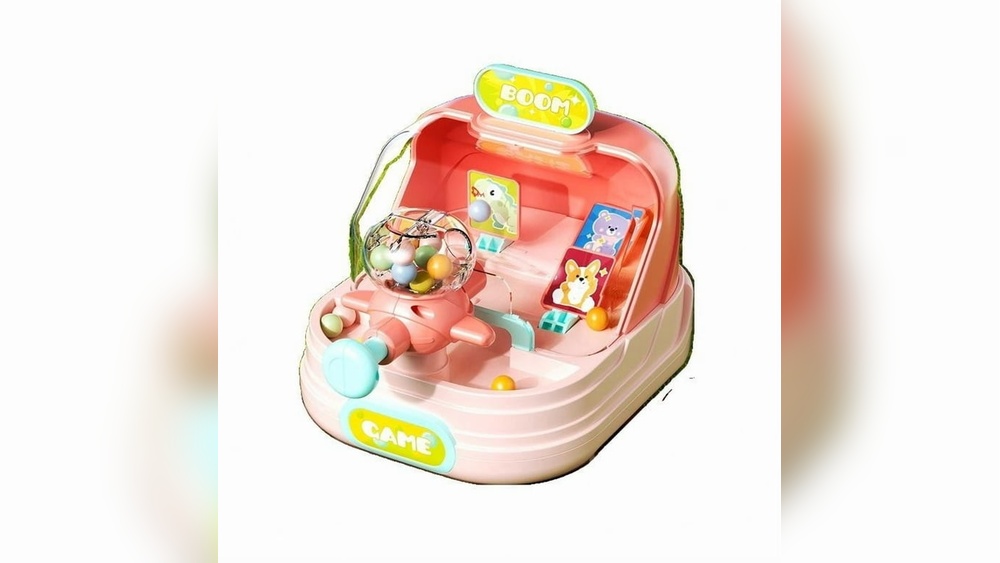
Have you ever noticed how your child can spend hours playing with a simple toy, completely absorbed and focused? That’s not just fun—it’s a powerful way for kids to practice concentration.
When your child plays with the right toys, they’re training their brain to pay attention, solve problems, and stay engaged. Imagine giving your child tools that make learning focus feel natural and exciting. Keep reading to discover how toys can help your child build this essential skill, and how you can choose the best ones to support their growth.

Credit: www.amazon.com
Role Of Toys In Focus Development
Toys play a vital role in helping children develop focus. They offer more than just fun. Toys challenge kids to pay attention and stay engaged. Through play, children learn to concentrate on tasks for longer times. This skill is important for school and everyday life.
Choosing the right toys can support focus growth. Toys that require thinking and problem-solving encourage kids to focus deeply. Playtime becomes a chance to practice paying attention without feeling like work. Focus develops naturally as children enjoy their toys.
Types Of Toys That Enhance Attention
Puzzles are excellent for improving focus. They require kids to look carefully and think about the pieces. Building blocks also help. Children must plan and concentrate to create structures. Board games teach children to wait their turn and follow rules. These toys sharpen attention and patience.
Art supplies engage kids in detailed work. Drawing or crafting demands focus on shapes and colors. Toys like matching cards or memory games exercise short-term memory and focus. These activities train the brain to stay alert and attentive.
How Playtime Builds Concentration
Playtime gives children a chance to practice focus naturally. Kids focus deeply while enjoying their favorite toys. This focused attention strengthens their brain’s ability to concentrate. Repeating play with the same toy can improve attention span over time.
During play, children learn to ignore distractions. They become absorbed in the activity. This absorption helps build longer concentration periods. Play also encourages problem-solving, which requires sustained focus. Through fun, children practice skills needed for learning and daily tasks.
Cognitive Benefits Of Focused Play
Focused play offers many cognitive benefits for children. Toys that encourage concentration help kids develop key brain skills. These skills support learning and mental growth. Play that requires attention can shape how children think and solve problems. It also builds patience and persistence.
Through focused play, children learn to pay attention for longer times. This strengthens their memory and problem-solving abilities. Playing with certain toys challenges the brain and helps kids find solutions. This active thinking improves overall cognitive function and school readiness.
Improving Memory And Problem-solving Skills
Toys like puzzles and building blocks require children to remember shapes and steps. These activities boost short-term and working memory. Kids learn to hold information in their mind while solving tasks. This skill is vital for reading, math, and everyday life.
Problem-solving grows as children figure out how pieces fit or how to complete a challenge. Focused play teaches them to analyze, plan, and test ideas. These skills help in learning new concepts and facing real-world problems confidently.
Encouraging Patience And Persistence
Focused play often takes time and effort. Children learn to wait and try again after mistakes. Toys that require trial and error teach patience naturally. This slow, steady work builds resilience.
Persistence grows as kids repeat tasks to improve. They learn that success is possible with practice. This mindset helps children face challenges without giving up easily.
Choosing Toys For Attention Growth
Choosing toys that help children focus is important for their attention growth. The right toys can keep kids interested and help them practice paying attention. Toys that encourage thinking and problem-solving support better focus skills.
Parents and caregivers should select toys carefully. The goal is to pick toys that match children’s needs and abilities. This approach makes learning through play easier and more fun.
Features That Promote Engagement
Toys that hold a child’s interest have certain features. Bright colors and interesting textures attract attention. Toys that offer a challenge help kids stay engaged longer. For example, puzzles or building blocks require focus.
Interactive elements like buttons or moving parts also keep kids involved. Toys that encourage creativity, such as drawing sets, help children concentrate on tasks. These features help develop longer attention spans.
Age-appropriate Toy Selection
Choosing toys suitable for a child’s age is very important. Toys that are too hard cause frustration and loss of interest. Toys that are too easy do not challenge the child enough.
Age-appropriate toys match a child’s skill level and promote steady growth. They encourage children to focus without overwhelming them. Always check the recommended age on toy packages for guidance.
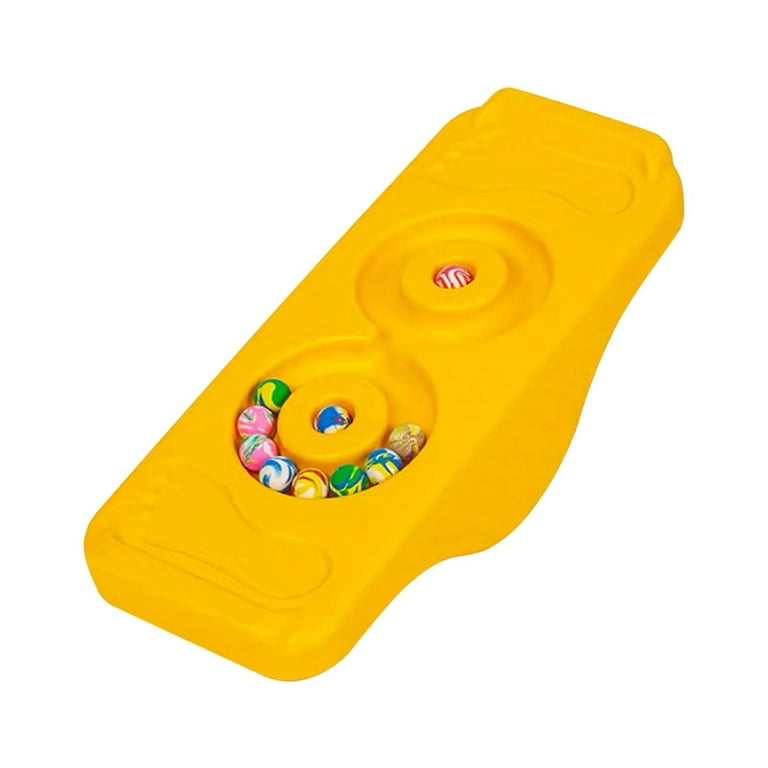
Credit: www.walmart.com
Incorporating Toys Into Learning Routines
Toys can be powerful tools in a child’s learning routine. They help kids focus by making study time more fun and interactive. Incorporating toys into learning keeps children interested and boosts their attention span. The key is to use toys that match the learning goals and balance play with study.
Choosing the right toys helps children practice skills like problem-solving and memory. These skills support better focus during lessons. Toys also break up long study sessions, giving kids a chance to relax and return refreshed.
Balancing Play And Study Time
Set clear times for play and study. Let children know when to focus and when to have fun. Use toys as a reward after study periods. This encourages kids to complete tasks with attention and care. Too much play can distract. Too much study can tire them. Balance keeps kids engaged and ready to learn.
Using Toys To Support Educational Goals
Choose toys that match learning topics. Puzzle toys improve problem-solving and concentration. Building blocks teach planning and patience. Educational board games help with numbers and words. These toys guide kids to use focus naturally. They connect play with learning in a simple way. This method helps children stay interested and learn better.
Tips For Parents To Maximize Focus Through Play
Helping kids focus during play boosts their learning and attention skills. Parents play a key role in this process. Simple steps can make playtime more effective. These tips help children stay engaged and enjoy their toys longer.
Creating A Distraction-free Play Environment
Choose a quiet and comfortable spot for playtime. Remove noisy gadgets and screens from the area. Keep only the toys needed for the activity nearby. Clear the space from clutter to avoid distractions. Soft lighting helps kids feel calm and focused.
Encouraging Guided And Independent Play
Join your child during play to guide and support them. Ask questions about what they are doing. Show them how to use toys in new ways. Also, allow time for children to play alone. Independent play builds their problem-solving and focus skills. Balance guided and solo play for best results.

Credit: www.amazon.com
Frequently Asked Questions
How Do Toys Improve Kids’ Focus Skills?
Toys engage children in activities that require attention and concentration. They help develop patience and persistence, improving overall focus. Interactive toys encourage problem-solving, enhancing cognitive abilities. Regular play with such toys strengthens a child’s ability to stay attentive for longer periods.
What Types Of Toys Boost Children’s Concentration?
Puzzles, building blocks, and memory games are excellent for boosting concentration. These toys require children to think critically and stay engaged. Manipulative toys like beads or clay also enhance fine motor skills and focus. Selecting age-appropriate toys ensures better learning and attention development.
Can Toys Help Kids With Attention Disorders?
Yes, toys designed for sensory stimulation and structured play can aid kids with attention disorders. They provide controlled focus exercises and reduce distractions. Such toys often improve self-regulation and calming skills. They support therapeutic goals alongside professional treatments effectively.
How Often Should Kids Play To Improve Focus?
Daily play sessions of 20-30 minutes can significantly improve focus. Consistent practice helps build attention span gradually. Short, frequent playtimes prevent fatigue and maintain interest. Balancing play with other activities promotes overall cognitive development and focus.
Conclusion
Toys play a key role in helping kids focus better every day. They keep children’s minds active and curious. Playing with toys encourages patience and attention. Kids learn to solve problems step by step. This practice builds their concentration over time.
Choosing the right toys supports healthy brain growth. Parents can watch their children improve through play. Simple toys often work best for focus skills. Giving kids time to play helps them stay calm. In short, toys are tools that gently guide focus skills.
