
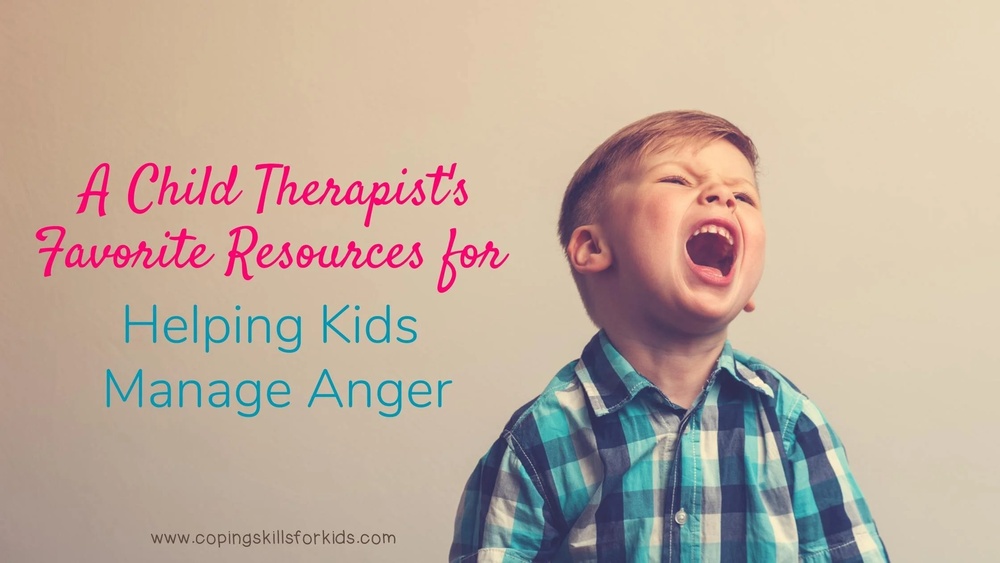
Have you ever noticed how a simple toy can change your child’s mood in an instant? Toys do more than just entertain—they can actually help your child handle frustration in powerful ways.
When your little one feels upset or overwhelmed, the right toy can become a secret tool to calm down and feel in control again. Curious how this works and which toys can make the biggest difference? Keep reading to discover how toys can help your child manage frustration and build important emotional skills along the way.
Role Of Toys In Emotional Growth
Toys play a key role in a child’s emotional growth. They help kids express feelings safely. Through play, children learn to understand and manage frustration. Toys give a safe space for trying again and calming down.
Emotional growth is about learning to handle emotions well. Toys help children face challenges without fear. They encourage children to keep trying even when things seem hard. This builds strong emotional skills for life.
Building Patience Through Play
Toys teach patience by slowing down quick reactions. Kids learn to wait their turn with board games or puzzles. They discover success comes after effort and time. This helps kids stay calm when things don’t happen fast.
Playing with toys that need focus helps children wait. They understand that some tasks take time to complete. This patience helps children manage frustration better in other areas.
Encouraging Problem-solving Skills
Toys challenge children to think and find solutions. Building blocks and puzzles require planning and trying different ideas. Kids learn that mistakes are part of learning. This builds confidence in handling problems calmly.
Problem-solving toys help children see frustration as a chance to learn. They practice staying calm and trying new ways. This skill helps them face real-life challenges with less stress.

Credit: www.amazon.com
Types Of Toys That Ease Frustration
Toys play a key role in helping children handle frustration. Different toys target various emotional needs. Some calm the senses, others improve focus, and some allow creative expression. Choosing the right toy can make a big difference.
Sensory Toys For Calming
Sensory toys provide soothing textures and movements. They help kids relax and reduce stress. Soft fabrics, squishy balls, and textured surfaces engage the sense of touch. These toys distract the mind and calm emotions. They work well for moments of upset or anxiety.
Fidget Tools For Focus
Fidget tools keep hands busy and minds steady. They help children concentrate during tough moments. Small spinners, cubes, and rings offer repetitive motions. This movement can ease restlessness and frustration. Using fidget toys often improves patience and attention.
Creative Toys For Expression
Creative toys let kids show their feelings in a safe way. Drawing sets, clay, and building blocks encourage imagination. These toys help release emotions through play. Expressing feelings reduces tension and builds confidence. Creative play also develops problem-solving skills.
How Play Reduces Stress In Kids
Play is a natural way for kids to handle stress and strong feelings. It gives them a break from hard emotions. Toys and games help children feel better and calm down. Through play, kids learn to manage frustration in a healthy way.
Stress can be hard for children to express. Play offers a safe space to show their feelings. It also helps kids focus on fun, not problems. This shift helps lower stress and builds emotional strength.
Distraction From Negative Feelings
Toys and play catch a child’s attention. This shift moves their mind away from anger or sadness. Focusing on play slows down stress reactions. It gives kids time to cool off and think clearly.
When kids are busy playing, negative thoughts fade. Play acts like a pause button on tough emotions. This helps kids face challenges with a calmer mind.
Promoting Relaxation And Joy
Play brings joy and laughter to children. These feelings help lower stress hormones in the body. Toys that kids enjoy create a sense of comfort and safety.
Relaxation through play helps kids feel more balanced. Happy moments during playtime build emotional resilience. This makes it easier to handle frustration later.

Credit: www.booknerdmommy.com
Incorporating Toys Into Daily Routines
Incorporating toys into daily routines helps children manage frustration better. Toys act as tools for expressing feelings and calming down. Regular play with the right toys teaches kids patience and problem-solving skills. Parents and caregivers can create moments for learning and emotional growth through play.
Setting Up A Calm Play Space
Choose a quiet, comfortable area for playtime. Make sure the space is free of distractions. Soft lighting and cozy seating help kids feel safe. Keep toys organized and easy to reach. A calm space encourages children to focus on play and relax their minds.
Guided Play And Emotional Coaching
Join your child during play to guide their emotions. Use toys to name feelings and talk about them. Show ways to handle frustration, like taking deep breaths. Praise efforts and patience during play activities. This approach builds emotional skills and strengthens bonds.
Choosing The Right Toys For Your Child
Choosing the right toys helps children handle frustration better. Toys that match their needs and skills support their growth. They offer a safe way to express feelings and learn patience. Picking suitable toys can calm a child and boost their confidence.
Parents must think about age and interests. The right choice can make a big difference in how kids play and learn. Toys that fit well keep children engaged and encourage positive emotions.
Age-appropriate Options
Toys should match the child’s age and development stage. Younger kids need simple toys with big parts to avoid choking. Older children enjoy puzzles and building sets that challenge their minds. Age-appropriate toys reduce frustration by being neither too hard nor too easy.
Considering Your Child’s Interests
Toys that match a child’s hobbies hold their attention longer. A child interested in art may love coloring sets or clay. Kids who enjoy stories might prefer dolls or action figures. Choosing toys based on interests helps children stay calm and focused.
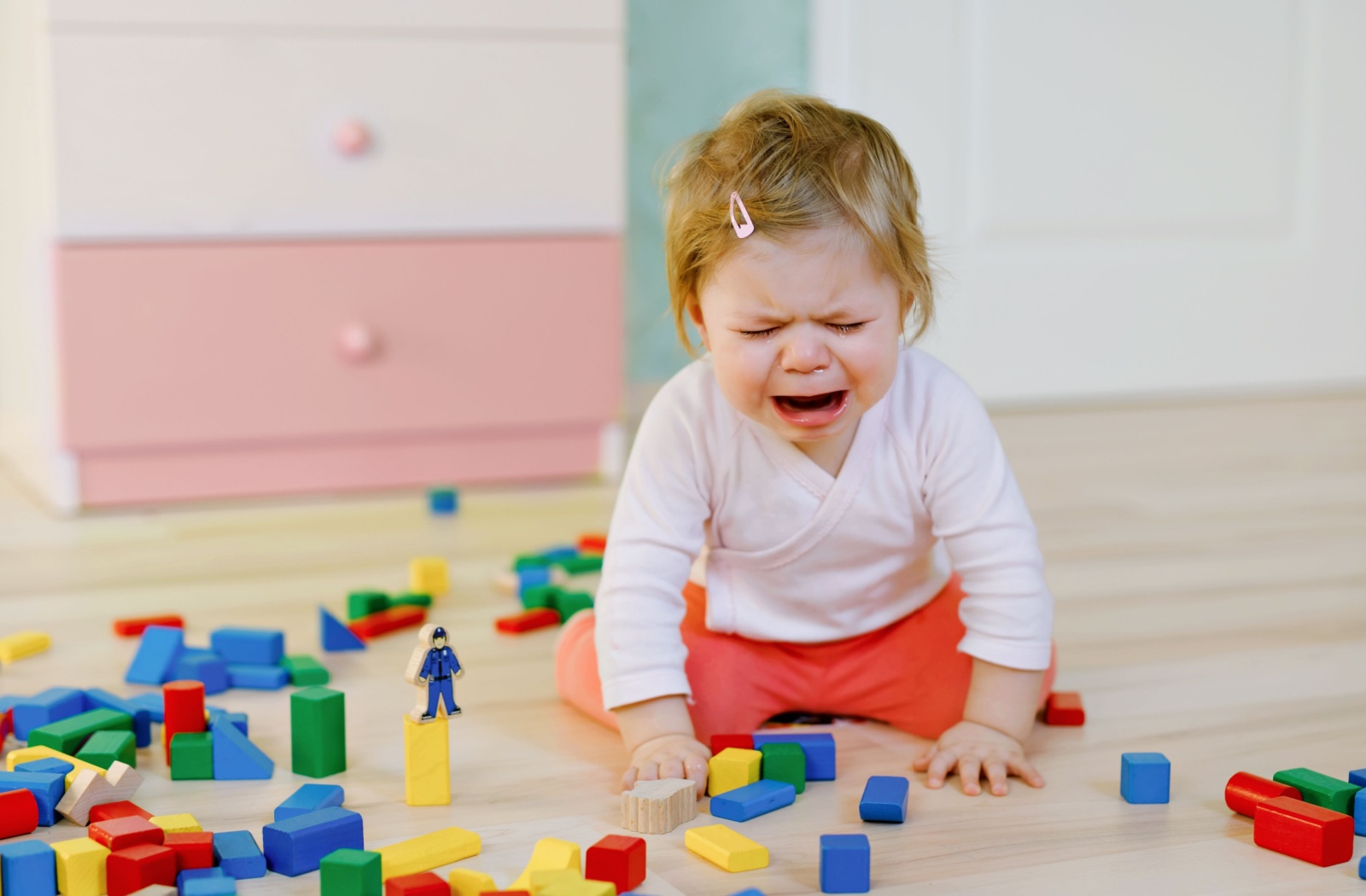
Credit: mosaicmontessori.ca
Signs Toys Are Helping Manage Frustration
Toys play a key role in helping kids handle frustration. Parents and caregivers can see clear signs when toys support emotional growth. These signs show how children use toys to calm down and express feelings. Observing these behaviors helps adults understand the benefits of play.
Improved Mood And Patience
Children often show a better mood after playing with toys. Toys can distract from upsetting feelings and create joy. Kids learn to wait and take turns during play. This builds patience and reduces quick outbursts of anger. Toys provide a safe way to practice staying calm.
Better Emotional Expression
Toys help children share their feelings more clearly. Kids use dolls, action figures, or blocks to tell stories about their emotions. This makes it easier to talk about what bothers them. Playing allows children to show sadness or frustration without words. Emotional expression improves, leading to healthier coping skills.
Frequently Asked Questions
How Do Toys Help Kids Handle Frustration?
Toys provide a fun outlet for kids to express emotions. They encourage problem-solving and distraction, reducing stress. Playing with toys also builds patience and resilience, key skills for managing frustration effectively.
Which Toys Are Best For Calming Frustrated Kids?
Toys like stress balls, puzzles, and building blocks are ideal. These toys engage focus and fine motor skills, helping kids stay calm. Sensory toys also soothe emotions by stimulating touch and sight senses.
Can Toys Teach Emotional Regulation In Children?
Yes, toys offer hands-on learning for emotional skills. Role-playing toys allow kids to practice empathy and communication. Interactive toys help children recognize and manage feelings during playtime.
How Often Should Kids Use Toys To Reduce Frustration?
Regular playtime is best, ideally daily for 20-30 minutes. Consistent use helps kids develop coping mechanisms over time. Balanced play supports emotional growth without overwhelming the child.
Conclusion
Toys give children a safe way to express their feelings. They help kids calm down and think clearly. Playing with toys can teach patience and problem-solving. Kids learn to handle frustration bit by bit. Parents and teachers can guide children during play.
Simple toys often work best to keep focus. Letting kids play freely helps them grow emotionally. Small steps with toys build stronger coping skills. Kids feel happier and more confident afterward. This makes toys a helpful tool for emotional growth.
