
Have you ever noticed how your child’s playtime is more than just fun? Toys do something amazing—they help your child understand space, shapes, and how things fit together.
This skill, called spatial awareness, is crucial for everyday activities and learning. Imagine giving your child the tools to think more clearly and solve problems better, all while playing. You’ll discover how simple toys can boost your child’s brain and set them up for success.
Keep reading to unlock the secret power behind your child’s favorite playthings.
Credit: www.walmart.com
Role Of Spatial Awareness In Child Development
Spatial awareness plays a crucial role in child development. It helps children understand the space around them and how objects relate to each other. This skill supports their movement, learning, and problem-solving. Toys that encourage spatial thinking can boost these abilities effectively.
Key Spatial Skills For Kids
Children develop several important spatial skills. These include recognizing shapes, understanding directions, and judging distances. They learn to visualize objects in their mind and rotate them mentally. These skills help kids solve puzzles and build with blocks.
Impact On Daily Activities And Learning
Spatial awareness affects many daily tasks. Children use it when dressing, navigating spaces, and organizing items. It also supports reading and writing by helping them track lines and letters. Strong spatial skills improve math learning, especially in geometry and measurement.
Types Of Toys That Enhance Spatial Skills
Toys play a big role in helping children develop spatial skills. These skills help kids understand shapes, sizes, and how objects fit together. Different types of toys offer unique ways to practice these abilities. Some toys encourage hands-on building, while others challenge problem-solving and visual thinking.
Choosing the right toys can make learning fun and effective. Here are some common types that boost spatial awareness in children.
Building Blocks And Construction Sets
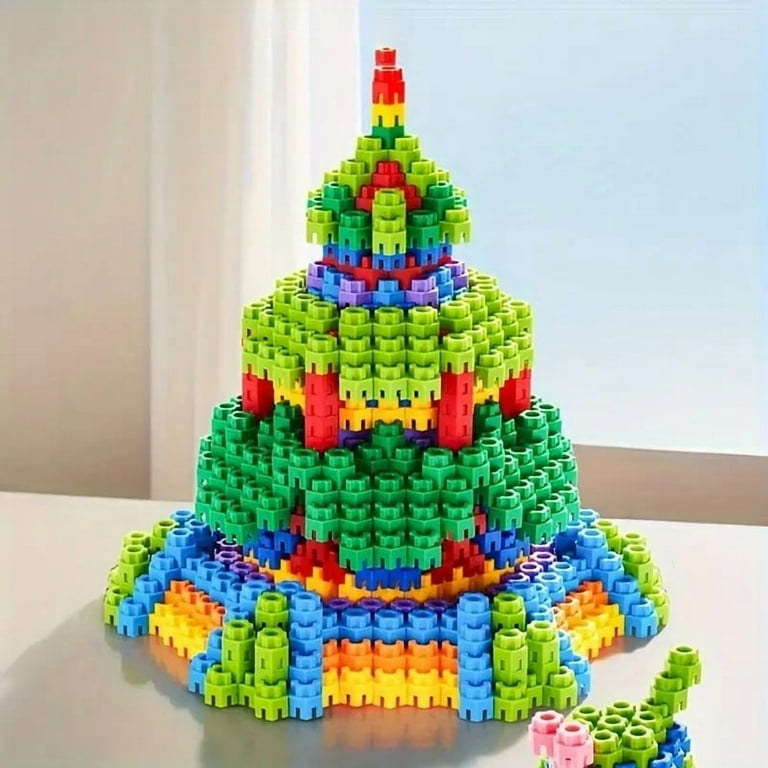
Building blocks let children create structures from their imagination. Kids learn about balance, symmetry, and how parts connect. Construction sets often include pieces that snap or fit together. These toys teach kids to plan and visualize their ideas in 3D. Playing with blocks improves hand-eye coordination and fine motor skills too.
Puzzles And Shape Sorters
Puzzles are great for teaching spatial relationships. Kids figure out how pieces fit to complete a picture or shape. Shape sorters help children recognize different forms and where they belong. These toys strengthen problem-solving skills and patience. They also improve memory and focus as kids try to match shapes correctly.
Interactive And Digital Toys
Interactive toys often use lights, sounds, and movement to engage children. Many digital toys include apps that encourage spatial thinking. These toys can show how shapes rotate or move in space. Kids get instant feedback, which helps them learn faster. Using digital toys builds tech skills alongside spatial awareness.
How Toys Stimulate Brain Growth
Toys do more than entertain children. They help develop important brain skills. Playing with toys allows kids to explore shapes, sizes, and spaces. This exploration builds connections in the brain. It supports learning and understanding of the world.
Different toys challenge children in many ways. This variety helps the brain grow stronger and faster. Toys encourage kids to use their eyes, hands, and minds together. This teamwork of senses is key to brain growth.
Visual And Motor Coordination
Toys help children coordinate what they see with their movements. For example, stacking blocks needs careful hand control. Kids learn to judge distances and positions. This skill is called spatial awareness. It improves by repeated play.
Manipulating toys strengthens eye-hand coordination. This skill is useful for everyday tasks. Writing, drawing, and sports all need good coordination. Toys provide a fun way to practice these skills early on.
Problem-solving And Critical Thinking
Puzzles and building sets make children think deeply. They figure out how pieces fit or how to balance blocks. This process develops problem-solving skills. Kids learn to test ideas and find solutions.
Critical thinking grows as children plan and adjust their actions. Toys encourage patience and focus. They also teach children to try different approaches. These experiences help the brain form logical connections.
Choosing The Right Toys For Different Ages
Choosing the right toys for different ages helps kids build spatial awareness step by step. Each age group needs toys that match their skills and interests. Toys that challenge their minds and bodies support learning and growth. Picking toys carefully can make playtime both fun and educational.
Infants And Toddlers
Infants and toddlers learn through touch and movement. Toys with different shapes, sizes, and colors catch their attention. Soft blocks, stacking cups, and simple puzzles work well. These toys help babies understand space by exploring how objects fit together. Toys that encourage crawling and reaching also improve spatial skills.
Preschoolers And Early School Age
Preschoolers enjoy toys that require problem-solving and creativity. Building sets, shape sorters, and simple mazes are great options. These toys teach kids how to see objects from different angles. They also develop hand-eye coordination and planning skills. Early school-age children benefit from toys that challenge their thinking and fine motor skills.
Tips For Parents To Maximize Learning
Parents play a big role in helping kids learn through toys. Some simple steps can boost learning. These tips focus on making playtime more fun and educational. They help kids understand space and shapes better.
Encouraging Play And Exploration
Let children choose toys they like. Interest keeps them curious and focused. Give time for free play without rules. This helps kids try new ideas and ways to use toys. Watch how they build or arrange objects. Ask questions about what they are doing. This invites thinking and language skills. Praise their efforts and creativity. It builds confidence and motivation to explore more.
Combining Toys With Real-world Activities
Bring learning out of the playroom. Use toys during walks or trips. For example, compare shapes of leaves to blocks. Talk about size, distance, and direction. Use puzzles to explain maps or layouts. Cooking can teach measurements and space. Building with blocks can help in gardening or arranging furniture. These real-life examples make learning clear and useful.
Credit: www.walmart.com
Measuring Progress In Spatial Skills
Measuring progress in spatial skills helps parents and teachers understand a child’s learning. It shows how well kids use space, shapes, and sizes. Tracking growth helps guide play and learning activities. It also points out areas needing extra help.
Spatial skills develop over time. Watching small changes gives clues about a child’s abilities. Careful observation and simple tests can reveal this growth.
Simple Activities To Track Growth
Use puzzles to see how children fit pieces together. Note if they try different ways or get stuck.
Building blocks are great for this. Watch how children stack or arrange blocks. Look for better balance and shape recognition.
Drawing shapes or copying patterns also works. Check if kids improve in size and placement over time.
Try asking children to find objects by shape or size. Notice how quickly and accurately they respond.
When To Seek Professional Guidance
Some children may struggle more than others. If progress is very slow or not visible, help is important.
Speech therapists, occupational therapists, or educators can offer support. They use special tests to understand challenges.
Early help can make learning easier and more fun for the child. Don’t wait too long to ask for advice.

Credit: www.amazon.com
Frequently Asked Questions
How Do Toys Improve Kids’ Spatial Awareness?
Toys encourage kids to explore shapes, sizes, and positions. Playing with blocks or puzzles helps children understand spatial relationships. This interaction strengthens their ability to visualize and manipulate objects mentally, enhancing spatial awareness naturally and effectively.
Which Toys Best Develop Spatial Skills In Children?
Building blocks, puzzles, shape sorters, and construction sets are ideal. These toys challenge kids to think about object placement and orientation. They promote problem-solving and hand-eye coordination, essential for improving spatial skills in early development stages.
At What Age Do Toys Aid Spatial Awareness Learning?
Spatial awareness skills start developing in infancy and improve through play. By age 2-3, kids benefit most from shape sorters and simple puzzles. Continued play with complex toys through early childhood boosts spatial reasoning and cognitive growth.
Why Is Spatial Awareness Important For Kids’ Learning?
Spatial awareness supports math, reading, and physical activities. It helps children understand directions, distances, and object relationships. This skill is crucial for academic success and everyday problem-solving, making toys that enhance spatial skills highly valuable.
Conclusion
Toys play a big role in helping kids learn about space and shapes. They make learning fun and hands-on. Kids develop skills by building, sorting, and exploring with toys. These activities improve their thinking and problem-solving. Playing with toys also boosts their confidence and creativity.
Parents and teachers should encourage using toys to support learning. Small steps with the right toys lead to strong spatial skills. This foundation helps children in school and daily life. Toys are simple tools that make learning easy and enjoyable.
