
Have you ever noticed how your child lines up their toys in a certain order or follows steps to build something? That’s more than just play—it’s your child learning sequencing.
Sequencing is a key skill that helps kids understand the world around them and solve problems every day. You’ll discover how simple toys can turn into powerful tools that boost your child’s ability to think in order, remember steps, and build confidence.
Keep reading to find out how the right toys can make learning sequencing fun and easy for your child.
Role Of Sequencing In Child Development
Sequencing is a key part of how children learn and grow. It means understanding the order of steps or events. This skill helps kids make sense of their world. It supports many areas of development, such as thinking, speaking, and doing tasks.
Learning to sequence helps children follow instructions and solve problems. It also improves their memory and attention. Toys that teach sequencing give kids a fun way to practice these skills. These early experiences build a strong foundation for future learning.
Why Sequencing Matters
Sequencing helps children understand cause and effect. It teaches them to organize thoughts clearly. This skill is vital for reading and math. Kids use sequencing to tell stories or explain ideas. It helps in daily activities, like dressing or cooking. Without sequencing, tasks can feel confusing and overwhelming.
Skills Enhanced By Sequencing
Sequencing improves memory by teaching order and timing. It sharpens problem-solving skills by breaking tasks into steps. Language skills grow as children learn to arrange words and ideas. Attention and focus get stronger with practice. Fine motor skills improve as kids follow step-by-step instructions. These skills combine to support overall learning and independence.
Credit: optima-schlafsysteme.de
Types Of Toys That Promote Sequencing
Toys play a big role in helping kids learn sequencing skills. Sequencing means putting things in the right order. Many toys encourage children to think step-by-step and practice this skill. Different types of toys target sequencing in unique ways. These toys make learning fun and simple for young minds.
Below are some key types of toys that promote sequencing. Each type helps children develop this skill through play and creativity.
Puzzle And Pattern Toys
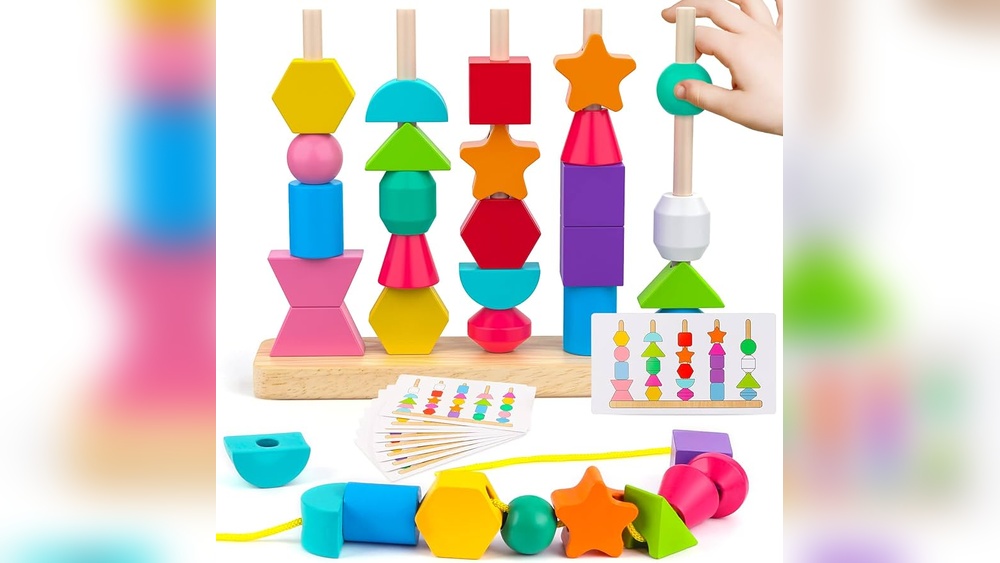
Puzzle and pattern toys require kids to fit pieces in the correct order. These toys help children recognize shapes and sequences. They learn to follow steps to complete the picture or pattern. This process builds logical thinking and memory. Simple jigsaw puzzles or pattern blocks are great examples.
Building Blocks And Construction Sets
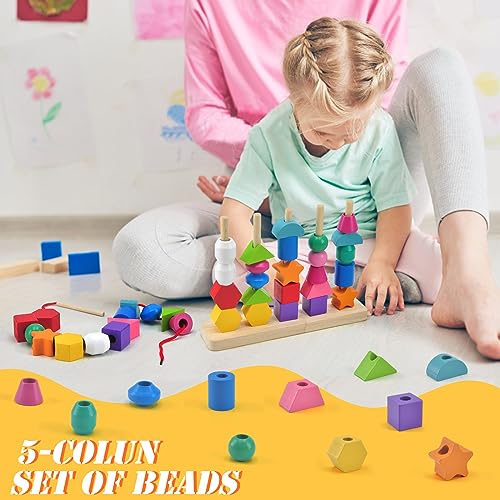
Building blocks and construction sets ask kids to stack or connect pieces in sequence. Children must plan the order to create their structure. This play improves their ability to organize and follow steps. Sets like LEGO or wooden blocks encourage creativity and sequencing skills.
Storytelling And Card Games
Storytelling and card games involve placing events or cards in the right order. Kids learn how stories flow from beginning to end. Card games often require remembering and organizing cards by sequence. These toys boost language skills and help children understand cause and effect.
How Toys Build Cognitive Skills
Toys play a big role in building cognitive skills in children. They help kids think clearly and understand the world around them. Through play, children learn to plan, remember, and solve problems. These skills are important for their growth and success in school and life.
Playing with toys that require order and steps helps children learn sequencing. This practice sharpens their brain and improves how they process information. Toys give kids a hands-on way to practice skills that support learning and thinking.
Improving Memory And Attention
Toys that involve patterns or steps help children focus. They need to pay attention to details to follow the order correctly. This practice strengthens their memory by repeating sequences. Kids learn to remember what comes next, which improves their short-term and working memory.
Attention grows as children concentrate on the task. They learn to block out distractions and stay on track. These skills help in classroom learning and everyday activities.
Enhancing Problem-solving Abilities
Toys that challenge kids to figure out the next step build problem-solving skills. Children learn to think ahead and plan their moves. They test ideas and see what works best. This process teaches trial and error and encourages flexible thinking.
Through play, children gain confidence in solving problems. They learn to break tasks into smaller parts and find solutions. These skills prepare them for more complex challenges as they grow.

Credit: www.amazon.com
Social And Emotional Benefits
Toys that teach sequencing do more than build thinking skills. They also help children grow emotionally and socially. Playing with these toys offers chances to practice working with others and feeling good about their own success. This helps kids build strong social skills and a healthy sense of self.
Encouraging Cooperation And Sharing
Sequencing toys often require kids to take turns and share. This teaches patience and respect for others. Children learn to listen and follow group rules. Working together on a task helps build friendships. Kids discover how to solve problems as a team. These moments improve their ability to cooperate in daily life.
Boosting Confidence And Independence
Completing a sequence gives kids a sense of achievement. This success boosts their confidence and pride. They feel capable and ready to try new things. Playing alone with sequencing toys also promotes independence. Kids learn to trust their own choices. This strong foundation supports their growth in many areas.
Tips For Choosing The Right Sequencing Toys
Choosing the right sequencing toys helps children build important thinking skills. These toys teach kids how to put events or objects in order. This skill supports reading, math, and problem-solving. Picking toys that fit a child’s needs makes learning fun and effective.
Age-appropriate Selection
Select toys that match the child’s age and skill level. Younger children need simple sequences with clear steps. Older kids can handle more complex patterns and longer sequences. Check the toy’s label for age recommendations. Toys that are too hard may frustrate, while too easy may bore the child.
Incorporating Variety And Challenge
Choose different types of sequencing toys to keep learning fresh. Use puzzles, card games, or building sets that require order. Gradually increase the difficulty to challenge the child’s skills. Variety helps children understand sequencing in many ways. Challenging toys boost confidence and improve focus over time.
Integrating Sequencing Toys In Daily Play
Integrating sequencing toys into daily play helps children build important skills. These toys guide kids to understand order and patterns. Daily playtime becomes a chance to learn and explore. Parents and teachers can use these toys to make learning natural and fun.
Using sequencing toys regularly helps children practice organizing steps. This practice boosts memory and thinking skills. It also improves problem-solving and attention to detail. Kids enjoy these hands-on activities, which keep their minds active and engaged.
Creating Fun Learning Routines
Set a specific time each day for sequencing toys. This routine makes learning a habit. Use simple toys like pattern blocks or story cards. Let children predict what comes next. Praise their efforts to keep motivation high.
Mix new toys with old favorites to hold interest. Turn playtime into a joyful moment, not a task. Short sessions work best for young children. Repeating routines helps kids feel confident and ready to learn more.
Balancing Structured And Free Play
Offer both guided and free play with sequencing toys. Structured play teaches clear steps and rules. Free play allows children to explore and create their own sequences. This balance helps develop creativity and logical thinking.
Watch how children use the toys on their own. Let them try different ways to arrange pieces or cards. Encourage questions and discussions about the order of events. This approach supports deeper understanding and personal growth.
Measuring Progress And Skill Growth
Measuring progress and skill growth helps parents and teachers see how well kids learn sequencing. Toys make this process clear. They show small steps of improvement. These steps build confidence and encourage more learning.
Watching changes over time helps identify strengths and areas needing support. Tracking milestones gives a clear picture of a child’s development. It helps adults plan better activities to boost skills.
Observing Behavioral Changes
Watch how children play with toys. Notice if they follow steps in the right order. See if they repeat sequences without help. Look for signs of focus and patience. These show growing understanding of sequencing.
Children who improve in sequencing often show less frustration. They try new challenges with toys. They enjoy finishing tasks correctly. These behaviors mean skills are getting stronger.
Tracking Milestones And Achievements
Set simple goals for kids using toys. For example, building a tower in a certain order. Celebrate when they complete these goals. Keep a record of each success. This shows clear progress over time.
Use charts or checklists to track milestones. Note when children can complete more complex sequences. This helps measure skill growth step-by-step. It also motivates kids to keep learning.

Credit: skillmaticsworld.com
Frequently Asked Questions
How Do Toys Improve Sequencing Skills In Kids?
Toys encourage children to follow steps in order, enhancing their sequencing abilities. This skill is crucial for problem-solving and daily tasks.
What Types Of Toys Best Teach Sequencing?
Puzzle games, building blocks, and card sequence games are excellent. They require kids to organize pieces or steps logically.
At What Age Do Kids Benefit From Sequencing Toys?
Children as young as two can start with simple sequencing toys. Benefits increase as their cognitive skills develop through early childhood.
Can Sequencing Toys Aid Academic Learning?
Yes, sequencing toys build foundational skills for reading, math, and writing. They improve memory, attention, and logical thinking essential for school.
Conclusion
Toys play a big role in helping kids learn sequencing skills. They make learning fun and easy to understand. Kids practice putting things in order and see how one step leads to the next. This helps them think clearly and solve problems better.
Playing with toys also builds memory and attention. Parents and teachers can use simple toys to support learning every day. Small steps lead to big progress in a child’s growth. Sequencing becomes a natural skill through play and practice.
