
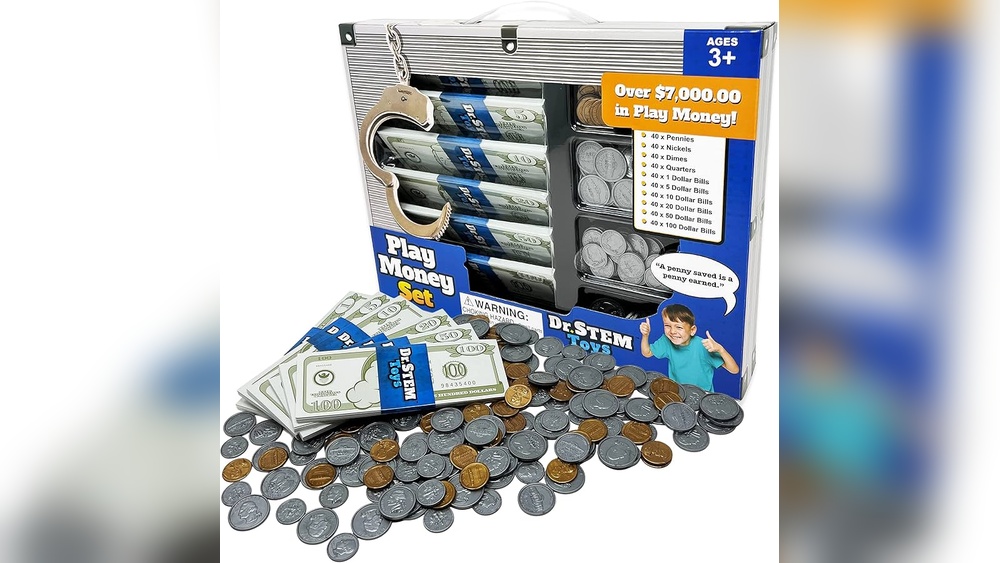
Have you ever noticed how a simple toy can teach your child more than just fun? Toys are powerful tools that help your kids learn responsibility in ways you might not expect.
When your child cares for a toy, follows rules during play, or shares with friends, they’re practicing skills that build their sense of duty and confidence. Curious how this works and how you can use toys to boost your child’s growth?
Keep reading to discover practical tips and surprising benefits that will make you see toys in a whole new light.

Credit: www.walmart.com
Role Of Toys In Teaching Responsibility
Toys do more than entertain. They teach kids important life skills. Responsibility is one of these skills. Through play, children learn to care for their belongings. They also practice following rules and routines. These experiences help children grow into responsible individuals.
Playing with toys offers a safe way for kids to try new tasks. They understand the value of taking care of things. Toys encourage children to think about their actions. This builds a sense of trust and duty over time.
Encouraging Care And Maintenance
Toys teach kids to care for their belongings. Cleaning and organizing toys become part of playtime. Children learn that toys last longer if handled gently. This habit helps build respect for personal property.
Fixing broken toys also teaches responsibility. Kids feel proud when they repair or keep toys neat. This care shows them the importance of looking after things. It builds good habits that extend beyond play.
Promoting Routine And Commitment
Toys help children follow daily routines. Setting playtime and cleanup times creates structure. Kids learn to commit to tasks regularly. This practice builds discipline and time management skills.
Having favorite toys makes kids want to keep them safe. They develop a routine around using and storing these toys. This ongoing commitment teaches children to be reliable. It prepares them for future responsibilities in life.

Credit: www.amazon.com
Choosing The Right Toys
Choosing the right toys plays a big role in teaching kids responsibility. Toys that fit a child’s needs and skills encourage them to care and manage. This helps children learn to be responsible step by step. The right toys also keep kids interested and eager to learn. This makes the process fun and effective.
Age-appropriate Options
Select toys that match the child’s age and abilities. Young kids need simple toys with big parts. These are safe and easy to handle. Older children enjoy toys that challenge their skills. Age-appropriate toys help kids feel confident. They learn responsibility without feeling frustrated or bored.
Choosing the right size and complexity avoids accidents. Toys that are too hard can cause stress. Toys that are too easy may not teach much. Age-appropriate toys support steady growth in responsibility.
Interactive And Educational Toys
Interactive toys encourage kids to take care of something. Dolls, pets, or plants teach daily care and attention. Educational toys help children learn rules and follow instructions. These toys promote thinking and problem-solving skills.
Kids learn to manage tasks and understand consequences. This builds responsibility naturally. Toys that respond to a child’s actions keep learning active. Educational toys make responsibility clear and rewarding.
Incorporating Toys Into Daily Tasks
Toys can make daily tasks more fun and teach kids responsibility. Using toys in chores helps children learn important skills. It also keeps them interested and motivated. Kids feel proud when they complete tasks with their toys.
Incorporating toys into daily routines creates a positive habit. It shows children how to care for their things. This practice encourages teamwork and patience. Toys become tools that guide children through daily responsibilities.
Setting Toy-related Chores
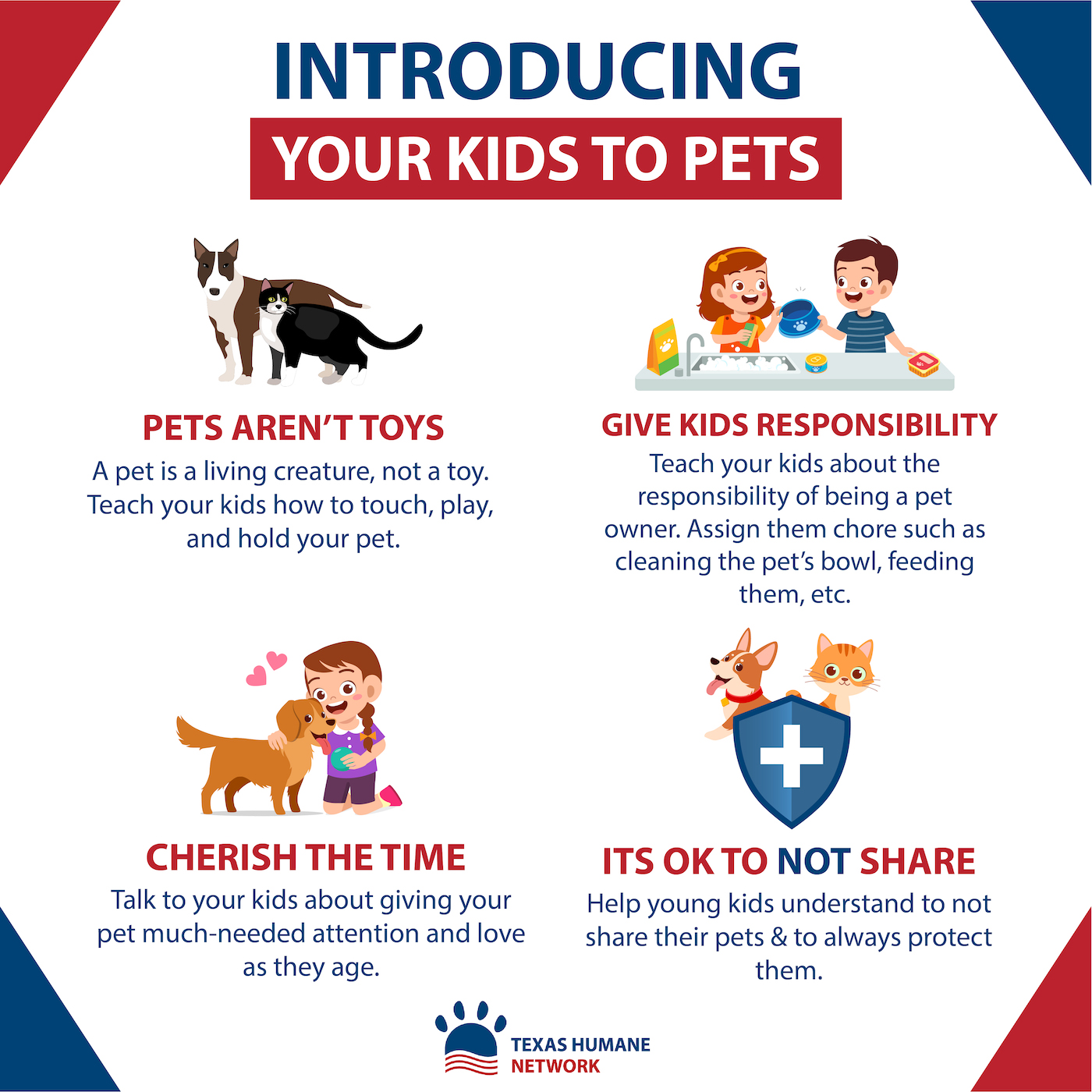
Assign chores that involve toys to teach care and order. For example, ask children to clean and organize their toy box. This task helps them understand the value of keeping things tidy. It also builds a sense of ownership and respect for belongings.
Chores like fixing broken toys or putting batteries in devices teach problem-solving. These small tasks encourage kids to pay attention and be responsible. Setting clear expectations for toy-related chores creates routine and discipline.
Using Toys To Build Time Management
Toys can help children learn how to manage their time wisely. Use timers or clocks with toys to set playtime limits. This teaches kids to finish tasks on time and switch activities smoothly.
Breaking chores into small steps with toy timers makes goals clear. It motivates children to complete tasks quickly but carefully. Time management skills gained through toys prepare kids for school and life.
Credit: texashumanenetwork.org
Guiding Kids Through Toy-related Challenges
Toys often create small challenges for kids. These moments teach them important life skills. Guiding children through toy-related problems helps build responsibility. It also supports their growth in many areas.
Parents and caregivers play a key role. They help children understand how to face difficulties. This guidance shapes a child’s ability to manage tasks and emotions.
Teaching Problem-solving Skills
Toys like puzzles and building blocks require thinking. Kids learn to find solutions step by step. They try different ways until they succeed. This process teaches them to think clearly.
Facing toy challenges improves decision-making. Children learn to plan and test ideas. They also learn to ask for help when stuck. These skills apply beyond playtime.
Encouraging Patience And Perseverance
Many toys do not work on the first try. Kids must wait and try again. This teaches patience, a vital skill in life. They learn that giving up is not the answer.
Perseverance grows with each attempt. Children feel proud when they finally succeed. This builds confidence and a strong sense of responsibility.
Rewarding Responsibility With Toys
Rewarding responsibility with toys helps children learn important life skills. Toys act as positive motivators that encourage kids to take on tasks. They make responsibility fun and tangible. Kids feel proud when they earn a toy for doing chores or completing goals. This builds confidence and a sense of achievement.
Using toys as rewards also teaches kids about consequences. They learn that good behavior and effort bring positive outcomes. This method supports building habits that last into adulthood.
Positive Reinforcement Techniques
Positive reinforcement means giving rewards for good actions. Praise and toys work well together to boost effort. Choose toys that match your child’s interests. This shows you notice their hard work. Reward small steps to keep kids motivated. Consistency helps children connect responsibility with rewards. Celebrate achievements clearly and immediately for best results.
Balancing Rewards And Expectations
Setting clear rules is important. Explain what kids must do to earn toys. Balance rewards so kids do not expect a toy for everything. Teach that some responsibilities are part of daily life. Use toys to reward extra effort or special achievements. This keeps children eager to try harder. Avoid over-rewarding to prevent dependence on gifts.
Parental Role In Fostering Responsibility
Parents play a key role in helping children learn responsibility through toys. Kids watch and copy adults. Parents set the stage for responsible habits. Their actions and words guide children’s behavior around toys and tasks.
Parental involvement shapes how kids care for their toys and complete chores. Consistent support and clear communication build trust and understanding. This creates a safe space for kids to practice responsibility daily.
Modeling Responsible Behavior
Children learn by watching parents closely. When parents take care of their own things, kids notice. Showing respect for possessions teaches kids to do the same. Parents who handle mistakes calmly show how to fix problems responsibly. This helps kids understand the value of being careful and dependable.
Consistent Communication And Support
Talking clearly about expectations helps kids know what to do. Parents should explain the reasons behind rules about toys and chores. Encouraging children with kind words motivates them to try harder. Regular reminders and praise build good habits over time. Supportive parents help kids feel confident in taking responsibility.
Frequently Asked Questions
How Do Toys Teach Kids Responsibility?
Toys encourage kids to take care of their belongings. Managing toys helps them develop routines and accountability. They learn to organize, clean up, and maintain their items, fostering responsibility in daily life.
What Types Of Toys Promote Responsibility In Children?
Interactive and role-play toys like pet care sets or kitchen kits promote responsibility. These toys require ongoing attention and care, teaching kids to manage tasks and understand consequences.
Can Toys Improve A Child’s Decision-making Skills?
Yes, toys involving choices and problem-solving enhance decision-making. Kids learn to weigh options and consequences, which builds critical thinking and responsible behavior.
At What Age Do Toys Best Teach Responsibility?
Children aged 3 to 8 benefit most from responsibility-focused toys. At this stage, they develop basic care skills and understand cause and effect through play.
Conclusion
Toys teach kids to care for their things and follow rules. They help children learn to share and wait for their turn. Playing with toys builds habits like cleaning up after use. These small lessons grow into real responsibility over time.
Parents can guide kids by choosing toys that encourage care. Responsibility learned through play stays with children as they grow. Simple toys can make a big difference in learning important skills. Kids enjoy fun while gaining habits that help in life.
Toys are not just for fun; they teach valuable lessons.
