
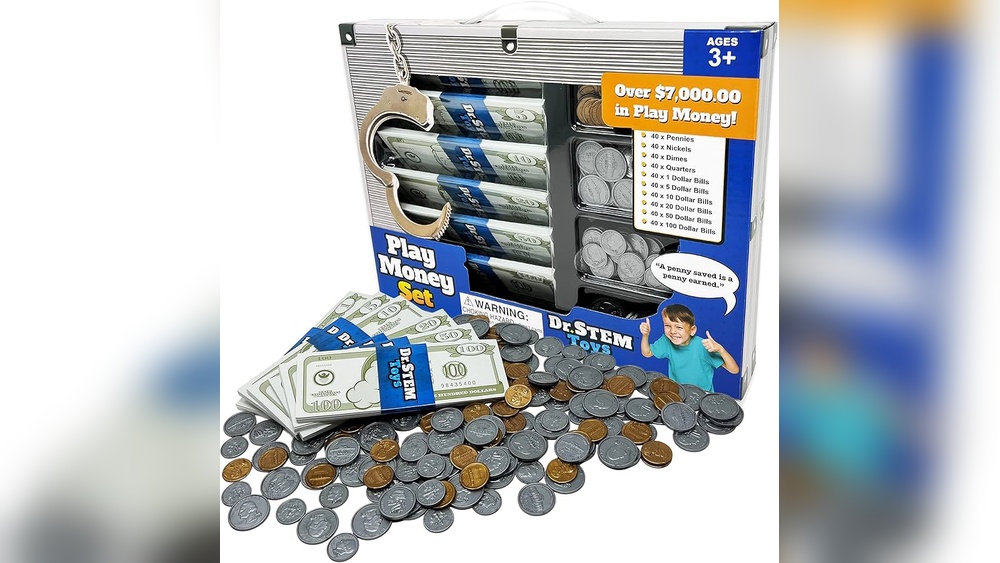
Have you ever noticed how your child’s favorite toy can do more than just entertain? Toys aren’t just for fun—they can be powerful tools that teach your kids responsibility.
When your child cares for a toy, follows simple rules during play, or even cleans up afterward, they are learning important life skills without even realizing it. Imagine turning playtime into a chance for your child to grow into a more responsible and confident person.
Keep reading to discover how the right toys can help your kids develop responsibility in easy and enjoyable ways.

Credit: www.walmart.com
Role Of Toys In Teaching Responsibility
Toys play a key role in teaching kids responsibility. They offer hands-on experiences that help children understand the value of caring for something. Through play, children learn to manage tasks and make choices that affect their toys. This process builds a strong foundation for responsible behavior in daily life.
Using toys as tools, kids practice taking care of their belongings. This practice helps them feel proud and confident. It also teaches important lessons about commitment and consequences in a simple way.
Encouraging Ownership Through Play
Toys give children a sense of ownership. When kids feel responsible for a toy, they treat it with care. This feeling helps them understand what it means to own something. They learn to keep their toys safe and organized. This sense of ownership often extends to other areas of life.
Developing Routine And Care Habits
Playing with toys helps children build care routines. For example, cleaning up blocks after play teaches tidiness. Feeding a toy pet encourages regular habits. These small routines grow into important life skills. Kids learn the importance of consistency and attention.
Fostering Decision-making Skills
Toys also help children practice making decisions. Choosing which toy to play with teaches preference and planning. Deciding how to use a toy encourages problem-solving. These choices build confidence in decision-making. Children learn to think before acting through play.
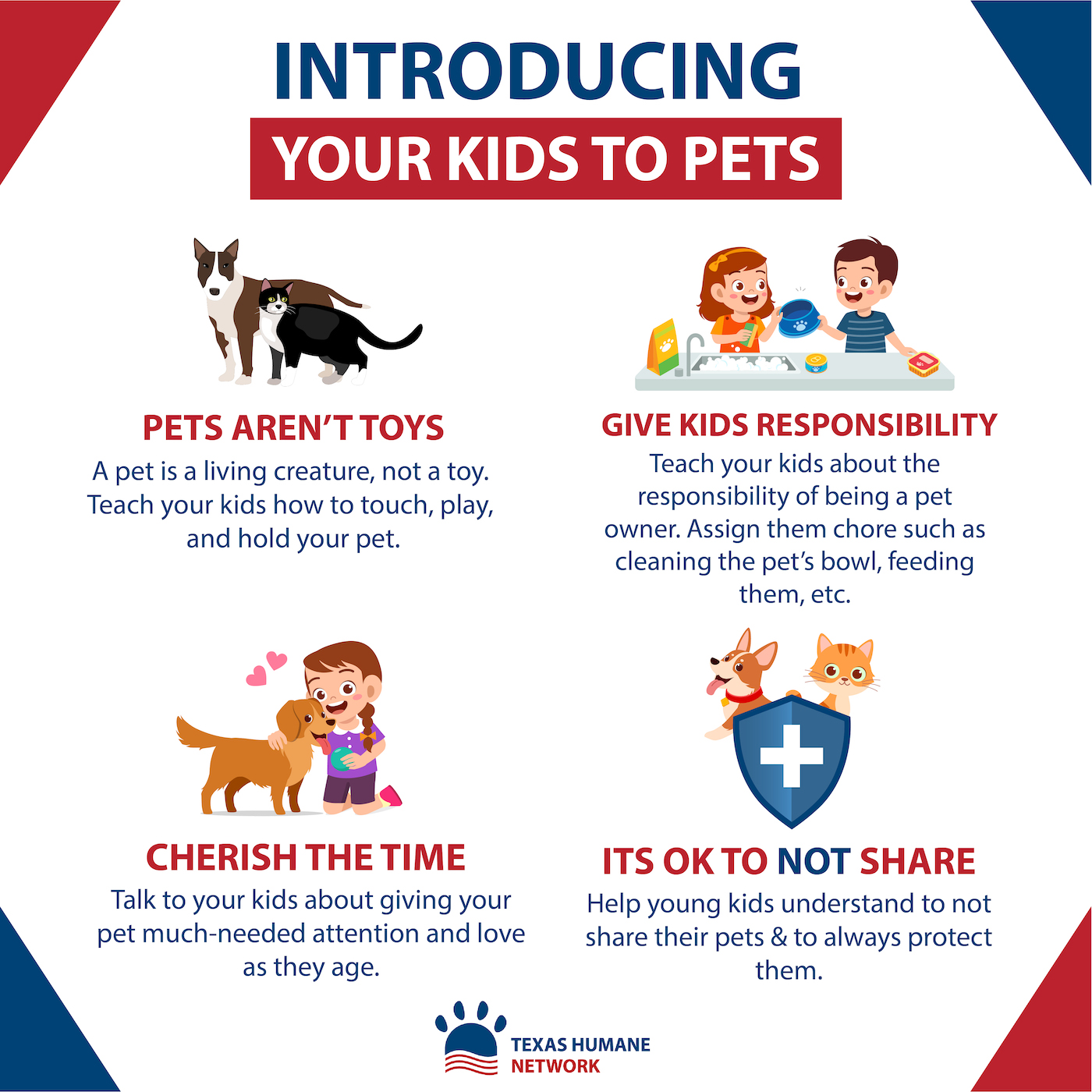
Credit: texashumanenetwork.org
Choosing The Right Toys
Choosing the right toys plays a big role in teaching kids responsibility. Toys can guide children to learn how to take care of things and follow rules. Picking toys that fit their needs and skills helps them stay interested and learn better.
Age-appropriate Options
Toys should match a child’s age and abilities. Too hard or too easy toys can cause frustration or boredom. Age-appropriate toys help kids feel confident and succeed. This builds their sense of responsibility as they learn to manage tasks on their own.
Interactive And Educational Toys
Interactive toys invite kids to take part actively. Educational toys teach skills like counting, reading, or problem-solving. These toys encourage children to focus and complete tasks. They also help kids understand consequences and rewards, key parts of responsibility.
Toys That Promote Sharing And Cooperation
Toys that require teamwork teach kids to share and cooperate. Playing together helps children learn to listen and take turns. These social skills grow their sense of duty toward others. Sharing toys also shows kids how to care for common belongings.
Parental Guidance Strategies
Parental guidance plays a key role in teaching kids responsibility through toys. Parents can guide children step-by-step to care for their toys. This builds good habits and a sense of duty. The right strategies help kids understand what is expected and how to follow through.
Setting Clear Expectations
Parents should explain rules about toy use clearly. Tell kids how to handle toys and where to keep them. Simple instructions like “put toys back after playing” work well. Clear limits help children know what responsibility means. Keep messages short and direct for easy understanding.
Creating Consistent Toy Care Routines
Make a regular schedule for toy cleaning and organizing. Doing this daily or weekly makes it a habit. Kids learn to take small steps to care for their toys. Consistency builds responsibility over time. Use reminders or charts to keep routines on track.
Modeling Responsible Behavior
Children watch their parents closely. Show responsibility by caring for your things in front of them. Put items away and clean up after use. This teaches by example, making lessons stronger. Kids copy what they see more than what they hear.
Incorporating Responsibility In Playtime
Playtime is a great chance for kids to learn responsibility. Toys can teach them how to care, organize, and follow rules. These skills build a strong sense of duty and independence. Simple actions with toys help children understand what it means to be responsible.
Assigning Toy-related Tasks
Give children small jobs connected to their toys. They can put toys away after playing or check if all parts are there. Tasks like these teach kids to take care of their belongings. It also helps them feel proud of their role in playtime.
Using Toys To Teach Consequences
Toys show kids how actions have results. For example, leaving toys outside might make them dirty or broken. This helps children see the effects of not caring for things. They learn that responsibility means thinking about what happens next.
Celebrating Milestones And Progress
Notice and praise when kids do well with their toys. Celebrate when they clean up or share properly. This encourages them to keep practicing responsibility. Positive feedback builds their confidence and motivation to improve.
Overcoming Common Challenges
Teaching kids responsibility through toys is a great idea. Challenges come up often. Parents and teachers must handle them well. Overcoming these challenges helps kids learn better. It builds good habits and confidence.
Dealing With Resistance
Kids may refuse to take care of their toys. They might forget or ignore tasks. Patience is key. Explain why responsibility matters simply. Praise small efforts to encourage them. Use gentle reminders instead of strict commands.
Balancing Fun And Discipline
Toys should be fun, not just chores. Mix playtime with lessons on care. Set clear rules about toy use. Let kids enjoy toys, but also clean up. This balance keeps kids engaged and learning.
Adapting Approaches As Kids Grow
Kids change fast. What works for toddlers may not work for older kids. Adjust tasks and rules as they grow. Give more responsibility step by step. Keep toys age-appropriate to maintain interest.

Credit: www.amazon.com
Frequently Asked Questions
How Do Toys Teach Kids About Responsibility?
Toys encourage kids to care for their belongings. They learn to organize, maintain, and handle toys carefully. This nurtures responsibility through daily routines and playtime habits.
Which Toys Best Develop Responsibility Skills?
Pretend play sets, pet care toys, and building blocks promote responsibility. These toys require planning, nurturing, and cleanup, helping kids understand consequences and care.
Can Toys Improve Kids’ Time Management?
Yes, toys with structured playtime teach kids to allocate and manage time. Timed games and puzzles help build focus and prioritize tasks effectively.
How Does Toy Cleanup Build Responsibility?
Cleaning up toys teaches kids accountability for their environment. It instills discipline, encourages routine, and strengthens organizational skills in a fun way.
Conclusion
Toys teach kids how to take care of things. They help children learn to share and wait their turn. Playing with toys encourages kids to follow rules and complete tasks. These habits build responsibility step by step. Kids also gain confidence by managing their toys.
Responsibility learned through play stays with children as they grow. Choosing the right toys supports this learning well. Parents can guide kids to make the most of playtime. Simple toys can offer big lessons in care and discipline. Teaching responsibility early helps kids succeed later in life.
