
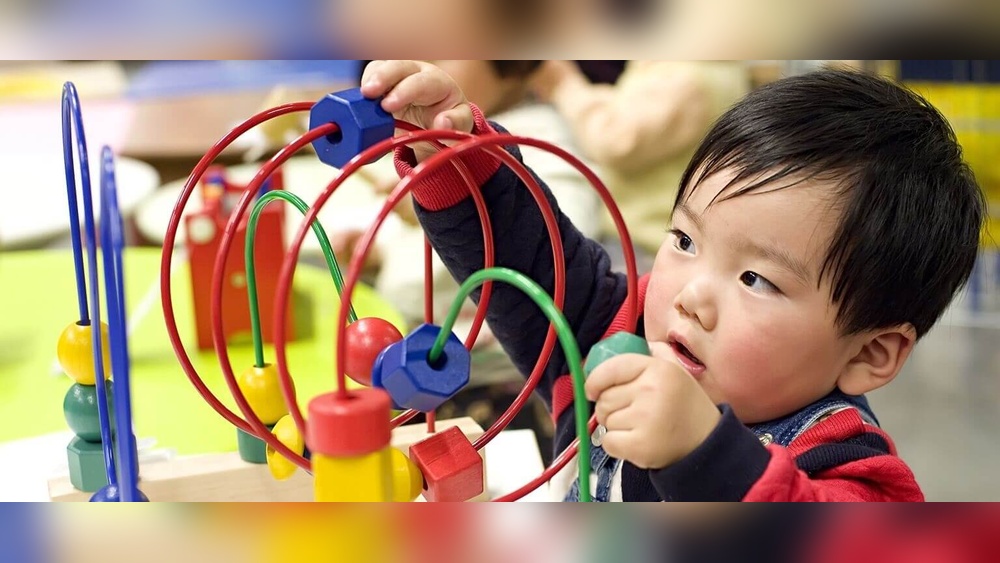
Have you ever noticed how your child keeps trying to fit the last puzzle piece or build the tallest block tower, even after several attempts? That simple act of playing isn’t just fun—it’s teaching your child one of the most important life skills: persistence.
Toys aren’t just for entertainment; they are powerful tools that help your child learn to keep going, even when things get tough. You’ll discover how the right toys can boost your child’s ability to stick with challenges and grow stronger every day.
Keep reading to find out how you can turn playtime into a lesson in never giving up.

Credit: www.amazon.com
Role Of Toys In Skill Building
Toys play a big role in how kids learn new skills. They help children try again and again, building their persistence. Kids face challenges with toys and learn to keep going.
Playing with toys helps kids practice focus, patience, and problem solving. These skills are important for school and life. Toys make learning fun and hands-on, so kids stay interested.
Types Of Toys That Encourage Persistence
Toys that are not too easy or too hard help kids keep trying. Puzzle toys, building blocks, and stacking games ask kids to think and work hard. They learn to finish tasks step by step.
Construction sets and pattern games also need patience. These toys let kids fix mistakes and try new ways. Slowly, children feel proud when they solve problems on their own.
Hands-on Play And Problem Solving
Hands-on play helps kids understand how things work. They use their fingers and minds to explore and solve puzzles. This active learning builds strong brain skills.
When kids face a tricky toy, they plan and test ideas. They learn not to give up after failure. This process teaches persistence naturally and makes kids confident.
Developing Growth Mindset Through Play
Toys offer more than fun. They help children learn important life skills. One key skill is persistence. Persistence means not giving up when things get hard. Playtime with toys teaches kids to keep trying.
Kids learn to face challenges and solve problems. They discover that mistakes are part of learning. This helps build a growth mindset. A growth mindset is the belief that abilities can improve with effort. Toys create a safe space for kids to practice this idea every day.
Challenges And Trial-and-error Learning
Toys often present puzzles or tasks. Children try different ways to solve them. They learn by making mistakes and trying again. This trial-and-error process teaches patience. It shows kids that failure is not the end. Every attempt brings them closer to success.
Building with blocks, completing puzzles, or assembling kits are good examples. These activities encourage kids to keep working until they succeed. They learn that effort leads to improvement. This experience grows their confidence and persistence.
Encouraging Effort Over Outcome
Praise focused on effort helps kids stay motivated. Instead of praising only success, adults should notice hard work. Saying “You worked very hard” is better than “You are so smart.” This approach helps children value trying, not just winning.
When kids enjoy the process, they are more likely to keep playing. This builds persistence naturally. Toys that challenge children without making them feel pressured support this growth. Encouraging effort helps children develop a positive attitude toward learning.
Building Grit With Interactive Toys
Interactive toys offer children a chance to practice persistence daily. These toys challenge kids to keep trying, even when tasks seem tough. Kids learn to face small failures and try again, building grit over time.
Playing with interactive toys helps children develop patience. They discover that success often requires repeated effort. This process strengthens their ability to focus and stay committed.
Long-term Engagement And Focus
Interactive toys hold a child’s attention for longer periods. These toys often involve puzzles or challenges that take time to solve. Kids learn to concentrate and not give up quickly.
Continuous play with these toys improves focus skills. Children practice thinking through problems step by step. This helps build strong habits of attention and endurance.
Rewards And Motivation In Play
Interactive toys provide small rewards that encourage kids to keep going. Rewards can be new levels, sounds, or visual effects. These motivate children to try harder and stay involved.
Through play, kids see that effort leads to positive outcomes. This connection between hard work and reward builds their desire to persist. Motivation grows as they achieve small wins.

Credit: www.liberia.ubuy.com
Parental Role In Toy-based Learning
Parents play a big role in how children learn from toys. Toys alone cannot teach persistence. Children need guidance and support from adults. Parents help kids understand challenges. They show how to try again after failure. This support builds a child’s patience and willpower.
Through play, parents can watch how kids solve problems. They see moments when children want to give up. Parents step in to encourage and cheer them on. This makes learning through toys more effective and fun.
Guiding Without Taking Over
Parents should guide children gently. Let kids try first before helping. This helps children feel proud of their efforts. Avoid solving the toy puzzles for them. Ask questions like “What do you think next?” This makes children think and try new ways. Guidance without control builds confidence and persistence.
Providing Support And Encouragement
Encourage kids to keep trying, even if it is hard. Praise their effort, not just success. Say things like “You kept trying, great job!” This shows that trying is more important than winning. Support helps children feel safe to make mistakes. It teaches them that failure is part of learning.
Educational Toys And Persistence Research
Educational toys do more than entertain children. They help build important skills, including persistence. Research shows these toys encourage kids to try again after failure. They promote patience and problem-solving. This section explores how studies connect toys to resilience and how to choose toys based on evidence.
Studies Linking Toys To Resilience
Researchers find that children who play with challenging toys develop persistence. Puzzles and building blocks require effort and focus. Kids learn to keep trying when pieces don’t fit right. This repeated effort helps build resilience over time.
One study showed that children who used educational toys solved problems better than those who did not. Toys that require planning and patience improve a child’s ability to face difficulties calmly. Persistence grows as kids experience small wins and learn from mistakes.
Choosing Toys Backed By Evidence
Select toys designed to promote persistence. Look for those that involve steps or levels. Toys that allow trial and error teach kids to keep trying. Avoid toys that solve problems too quickly.
Choose toys with clear goals and challenges. Educational sets that grow with the child’s skill keep them engaged longer. This ongoing challenge encourages kids to push through frustration. Evidence-based toys help children build lasting persistence.

Credit: toylandeu.com
Frequently Asked Questions
How Do Toys Teach Kids Persistence?
Toys encourage trial and error, helping kids learn patience. They motivate children to solve problems and keep trying. This builds resilience and persistence through fun and engaging play.
What Types Of Toys Boost Persistence In Children?
Puzzles, building blocks, and strategy games boost persistence. These toys challenge kids to think critically and try repeatedly. They promote focus, problem-solving, and determination.
Why Is Persistence Important For Child Development?
Persistence helps kids overcome challenges and build confidence. It fosters a growth mindset and lifelong learning habits. Children with persistence handle setbacks better and achieve goals.
Can Toys Improve Kids’ Problem-solving Skills?
Yes, toys enhance problem-solving by encouraging exploration and experimentation. Children learn to analyze, plan, and adjust strategies. This process strengthens cognitive and persistence skills.
Conclusion
Toys help children learn to keep trying, even when things get hard. They teach patience and problem-solving through play. Kids build confidence by facing challenges with toys. This practice helps them not give up easily. Parents and teachers can support this by choosing the right toys.
Simple, fun activities make learning persistence natural and enjoyable. Persistence learned through play stays with children as they grow. It shapes their future success in school and life. Toys are more than fun—they are tools for growth.
