
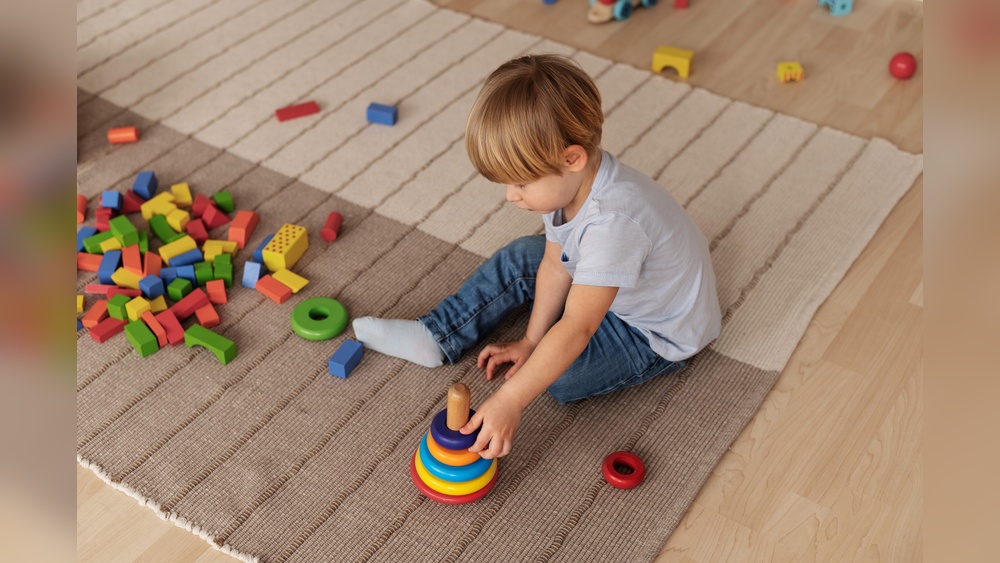
Have you ever wondered why toys are more than just fun for your child? Toys play a powerful role in helping your little one learn new skills every day.
They spark creativity, improve problem-solving, and even boost emotional growth. If you want to see your child thrive while having fun, understanding how toys support learning is key. Keep reading to discover the surprising ways toys can shape your child’s development and why choosing the right ones matters for their future.
Role Of Play In Learning
Play is more than fun for kids. It is a key way they learn about the world. Through play, children explore new ideas and practice skills. Toys are tools that help make this learning easy and exciting. Play encourages children to think, feel, and interact with others. It shapes how they grow in many ways.
Cognitive Development
Toys help children build thinking skills. Puzzles and blocks teach problem-solving and cause-effect. Playing with shapes and colors improves memory and attention. Kids learn to plan and make decisions during play. These skills form the base for learning in school and life.
Emotional Growth
Play allows children to express their feelings safely. Dolls and action figures help kids act out emotions. This builds self-awareness and control over feelings. Children learn to handle joy, fear, and anger. Toys provide comfort and help children feel secure.
Social Skills
Playing with others teaches sharing and cooperation. Group games help kids learn rules and teamwork. Through play, children practice talking and listening. They develop respect and empathy for friends. Toys bring children together and build strong bonds.
Credit: www.lego.com
Types Of Educational Toys
Educational toys come in many types. Each type helps children learn in a special way. These toys encourage skills like problem-solving, creativity, and critical thinking. Choosing the right toy can support a child’s growth and make learning fun.
Building And Construction Sets
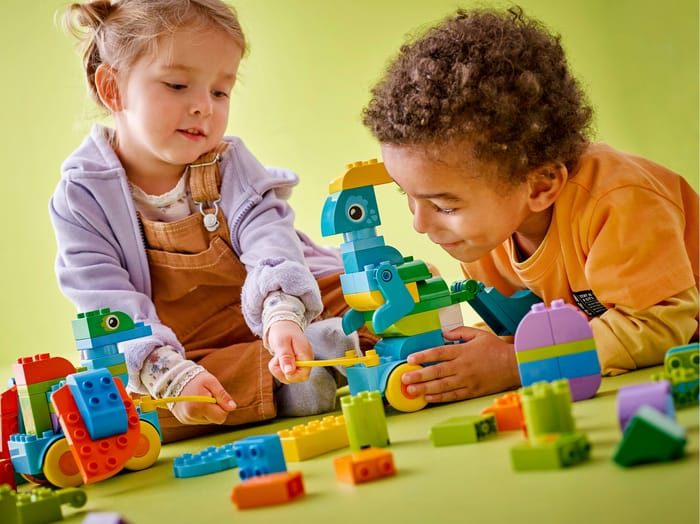
Building sets let kids create structures with blocks or pieces. These toys improve hand-eye coordination and spatial awareness. They also teach planning and patience. Kids learn how parts fit and work together. Sets like LEGO or wooden blocks offer endless possibilities.
Puzzles And Brain Teasers
Puzzles challenge a child’s mind to find solutions. They boost memory and attention to detail. Brain teasers develop logic and reasoning skills. Completing puzzles gives kids a sense of achievement. Simple jigsaw puzzles or more complex riddles fit different ages.
Creative Art Supplies
Art supplies encourage imagination and self-expression. Drawing, coloring, and crafting improve fine motor skills. These activities help kids explore colors and shapes. Art toys also support emotional development. Basic crayons, paints, or modeling clay inspire creativity.
Interactive Electronic Toys
Electronic toys offer interactive learning experiences. They teach letters, numbers, and language through sounds and lights. These toys often respond to a child’s actions. Interactive toys keep kids engaged and curious. Examples include educational tablets and talking robots.
Skills Boosted By Toys
Toys play a big role in children’s learning. They do more than just entertain. Toys help kids build important skills. These skills support their growth and success in school and life. Let’s explore some key skills that toys help develop.
Problem-solving Abilities
Toys like puzzles and building blocks challenge kids to think. They learn to find solutions and try different ways. This builds their problem-solving skills step by step. Kids learn patience and persistence through play. They understand how to handle challenges better.
Fine Motor Skills
Toys that require hand use improve fine motor skills. Examples include drawing tools, small blocks, and threading beads. Kids practice precise hand movements and coordination. These skills are important for writing, buttoning clothes, and using utensils.
Language And Communication
Toys such as storybooks, puppets, and talking dolls encourage speaking and listening. Kids learn new words and how to express ideas. Playing with others also helps with social skills and understanding conversations. Language skills grow naturally through interactive play.
Imagination And Creativity
Creative toys like art supplies and dress-up clothes inspire imagination. Kids create stories and explore new ideas. This kind of play improves thinking and problem-solving. Imagination also helps children understand the world around them better.
Choosing The Right Toys
Choosing the right toys plays a big role in how children learn and grow. The right toys help develop skills like thinking, creativity, and problem-solving. It is important to pick toys that match a child’s age and interests. Safety should always be a top priority. Toys that encourage open-ended play can help children use their imagination more. Below are key points to consider when selecting toys for kids.
Age-appropriate Options
Select toys that match the child’s age and stage of development. Younger children need simple toys with big parts. Older kids enjoy more complex toys that challenge their skills. Age-appropriate toys prevent frustration and keep playtime fun. Labels on toy packaging often show the right age range.
Safety Considerations
Always check toys for small parts that can be choking hazards. Avoid toys with sharp edges or toxic materials. Look for safety certifications on the packaging. Regularly inspect toys for damage or wear. Safe toys protect children and give parents peace of mind.
Encouraging Open-ended Play
Open-ended toys have no fixed way to play. Blocks, art supplies, and dolls inspire creativity and imagination. These toys help children explore different ideas and stories. They support problem-solving and social skills. Open-ended play keeps children curious and engaged longer.
Role Of Parents And Educators
Parents and educators play a key role in how children learn through toys. Their guidance shapes the way kids explore and understand the world. Toys alone do not teach; the support and interaction from adults make learning effective and fun.
Adults create a safe space for play. They encourage curiosity and help children connect play to real-life skills. This support helps children gain confidence and develop important abilities like problem-solving and creativity.
Guided Play Strategies
Guided play means adults join in children’s play with purpose. They ask simple questions and suggest ideas to extend learning. This approach keeps play fun but adds learning moments. Adults watch and listen to know when to step in or step back.
Using guided play, adults help children explore new concepts. They encourage children to try different ways with toys. This helps kids learn at their own pace and understand better.
Balancing Screen Time And Physical Play
Finding a balance between screen time and physical play is important. Screens can offer educational games, but too much can limit movement and social skills. Parents and teachers set rules to keep screen use healthy.
Physical play with toys helps children develop muscles and coordination. It also supports social interaction and creativity. Adults plan daily activities that include both types of play for well-rounded growth.
Fostering Collaborative Play
Collaborative play teaches children teamwork and communication. Adults encourage children to play together with toys that require sharing and cooperation. This builds social skills and empathy.
Adults guide children to solve problems as a team during play. They model polite behavior and help resolve conflicts. Such play prepares kids for real-life relationships and group work.

Credit: www.youtube.com
Long-term Benefits Of Play
Play is more than just fun for children. It helps them grow in many ways. The benefits of play last for a long time. Toys support skills that children use their whole lives. These skills build a strong foundation for success.
Building Confidence
Playing with toys lets children try new things. They learn to solve problems on their own. Each small success boosts their confidence. Confident kids are ready to face challenges. Play teaches them to trust their abilities.
Enhancing Academic Readiness
Toys help children develop important skills for school. They learn to focus and follow directions. Play improves memory and language skills. These abilities make learning easier in classrooms. Toys prepare kids for reading, writing, and math.
Supporting Lifelong Learning
Play encourages curiosity and creativity. Children learn to explore and ask questions. These habits support learning throughout life. Toys inspire a love for discovery. Lifelong learners adapt better to new situations.

Credit: teachbesideme.com
Frequently Asked Questions
How Do Toys Improve Kids’ Cognitive Skills?
Toys stimulate problem-solving and critical thinking in kids. They encourage exploration and creativity, boosting memory and concentration. Educational toys enhance language and math skills by making learning fun and interactive.
What Role Do Toys Play In Social Development?
Playing with toys often involves sharing and cooperation. It teaches kids empathy, communication, and teamwork. Group play with toys helps children understand social rules and build friendships.
Can Toys Aid Emotional Growth In Children?
Yes, toys help children express feelings and manage emotions. Role-playing toys support emotional understanding and self-regulation. They provide comfort and encourage imagination, fostering emotional resilience.
Which Toys Promote Physical Development In Kids?
Active toys like balls, bikes, and building blocks improve motor skills. They enhance coordination, balance, and strength. Physical play also supports overall health and encourages an active lifestyle.
Conclusion
Toys play a big role in how children learn and grow. They help kids think, solve problems, and use their hands. Playing with toys also improves social skills and creativity. Kids enjoy learning when it feels like fun. Parents and teachers can use toys to support learning easily.
Choosing the right toys makes a difference in a child’s development. Playtime is not just fun; it is a key part of learning. This simple truth shows why toys matter so much in early childhood.
