
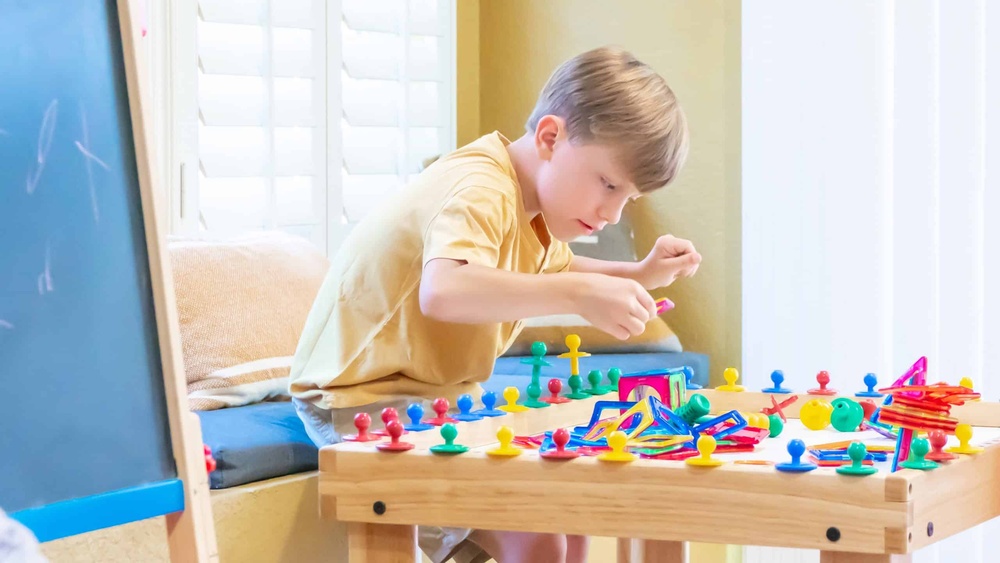
Have you ever noticed how your child lights up when playing with their favorite toy? That simple moment is more powerful than you might think.
Toys do more than entertain—they help your child learn to do things on their own. When your little one plays, they practice making choices, solving problems, and gaining confidence. Imagine giving your child the tools to become more independent every day.
Keep reading to discover how the right toys can unlock your child’s independence and set them up for success.
Credit: www.ebay.com
Role Of Toys In Growth
Toys play a big role in a child’s growth. They help kids learn new skills and become more independent. Through play, children explore the world and understand how things work.
Toys give children chances to try new ideas and solve problems. They also help kids express their feelings and build confidence. The right toys can support many parts of a child’s development.
Stimulating Cognitive Skills
Toys encourage kids to think and learn. Puzzles and building blocks challenge their minds. These toys help children recognize shapes, colors, and patterns.
Playing with toys improves memory and attention. Kids learn cause and effect by trying different actions. This kind of play builds a strong brain foundation.
Encouraging Problem Solving
Toys like mazes and construction sets teach problem solving. Children learn to find answers and make decisions. They try different ways until they succeed.
This process helps kids become independent thinkers. Solving problems with toys builds patience and focus. These skills help in school and daily life.
Boosting Emotional Development
Role-play toys let kids express feelings safely. Dolls and action figures help children act out emotions. This play supports understanding and managing feelings.
Toys also build confidence by giving small successes. Children feel proud when they complete tasks. This emotional growth helps kids trust themselves.

Credit: www.amazon.com
Building Confidence Through Play
Play is a powerful way for children to build confidence. Toys offer chances for kids to try new things on their own. This helps them feel proud and capable. Through play, children learn they can solve problems and make choices.
Confidence grows little by little with each play session. Kids gain trust in their abilities as they explore and experiment. Play creates a safe space where children can succeed at their own pace.
Mastering New Skills
Toys challenge children to learn new skills. Puzzles improve thinking and hand-eye coordination. Building blocks teach balance and creativity. Each skill learned boosts self-belief. Children realize they can do things by themselves.
Celebrating Small Achievements
Small wins matter in play. Completing a puzzle or finishing a drawing feels great. These moments build a child’s confidence step by step. Positive feelings encourage kids to try harder tasks. Success builds a strong foundation for independence.
Fostering Self-expression
Toys allow children to show their feelings and ideas. Dolls, art supplies, and role-play sets help kids express themselves. This freedom to share thoughts builds inner strength. Self-expression helps children understand who they are and trust their voice.
Types Of Toys That Promote Independence
Toys play a big role in helping kids grow independent. Different types of toys teach different skills. Some toys help kids learn new things. Others encourage creativity or physical strength. Choosing the right toys can support a child’s independence every day.
Educational Toys
Educational toys teach kids to think and solve problems. Puzzles, building blocks, and shape sorters are great examples. These toys help kids learn to focus and make decisions alone. They build confidence by letting kids explore ideas on their own. Educational toys encourage curiosity and self-learning.
Creative Toys
Creative toys let kids use their imagination. Art supplies, clay, and dress-up clothes help kids express themselves. These toys teach kids to make choices and try new things. Creative play boosts confidence and independence. Kids learn to enjoy their own ideas without help.
Physical Activity Toys
Physical activity toys keep kids active and strong. Bikes, jump ropes, and balls help develop coordination and balance. These toys teach kids to take risks safely and solve movement challenges. Physical play builds self-reliance and courage. Kids learn to trust their body’s abilities.
Encouraging Self-directed Play
Encouraging self-directed play helps children build independence. It lets kids explore and learn on their own. This type of play boosts creativity and problem-solving skills. Kids feel confident when they make their own choices during play. Adults can support this by creating the right environment and offering gentle guidance.
Setting Up Play Environments
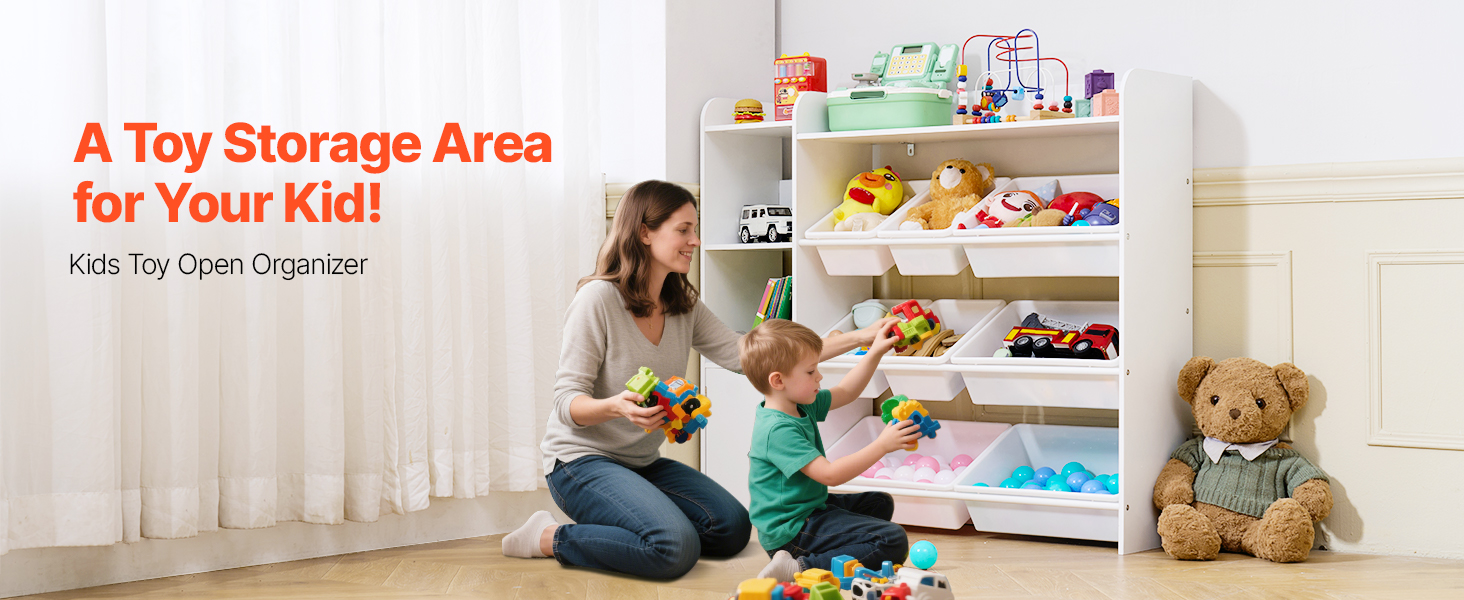
Arrange play areas that are safe and inviting. Use low shelves to display toys clearly. Keep toys organized by type or theme. This helps children find what they want easily. A calm space reduces distractions and supports focus. Let kids access toys without needing help. A well-set environment invites children to start play independently.
Allowing Choices
Offer a variety of toys to choose from. Choices encourage children to decide what interests them. Let kids pick toys that suit their mood or skill level. Avoid overwhelming them with too many options. Simple choices build decision-making skills. Children gain control over their play and feel more independent.
Balancing Guidance And Freedom
Give children freedom to explore and make mistakes. Step in only when safety is a concern or help is needed. Ask open-ended questions to spark thinking. Offer ideas but do not take over play. This balance supports learning without limiting creativity. Children learn to trust their own ideas and actions.
Parental Role In Toy-based Development
Parents play a key role in helping kids grow through toy play. Toys are more than fun. They teach skills and build confidence. Parents guide children to use toys in ways that boost independence. This support shapes how children learn and explore on their own.
Selecting Age-appropriate Toys
Choosing the right toys is important. Toys that match a child’s age offer the best challenges. They help kids learn without getting frustrated. Age-appropriate toys encourage safe play and skill growth. Parents should check labels and think about the child’s abilities and interests.
Observing Play Patterns
Watching how children play gives parents clues. Play patterns show what skills the child is developing. Parents can see if the child is curious, focused, or needs help. This observation helps parents choose toys that fit the child’s current stage. It also guides how they support learning.
Supporting Without Taking Over
Parents need to help but not control play. Giving kids space to explore builds independence. Parents can offer ideas and encouragement. But they should avoid solving all problems for the child. This balance teaches kids to think, try, and solve on their own.

Credit: www.amazon.com
Frequently Asked Questions
How Do Toys Encourage Kids To Make Decisions?
Toys let kids explore choices and solve problems. This builds confidence and decision-making skills. Independent play with toys helps children learn to trust their judgment and develop autonomy early on.
Can Toys Improve A Child’s Self-confidence?
Yes, toys that challenge kids boost their self-confidence. Success in play teaches children they can achieve goals. This positive reinforcement fosters independence and motivation to try new tasks.
What Types Of Toys Promote Independence?
Open-ended toys like blocks, puzzles, and art supplies encourage creativity and problem-solving. These toys require kids to think independently, make choices, and develop skills without constant adult help.
How Do Toys Develop Problem-solving Skills In Kids?
Toys provide scenarios where kids must find solutions. This practice enhances critical thinking and independence. Problem-solving toys help children learn persistence and how to approach challenges calmly.
Conclusion
Toys play a big role in helping kids grow independent. They encourage creativity and problem-solving skills. Kids learn to make choices and try new things. Playing alone builds confidence step by step. Simple toys teach focus and patience too. Independence starts with small actions every day.
Giving kids space to explore helps them thrive. Toys are more than fun—they are tools for growth. Let children enjoy playtime as a chance to be themselves. Independence grows best with support and freedom combined.
