
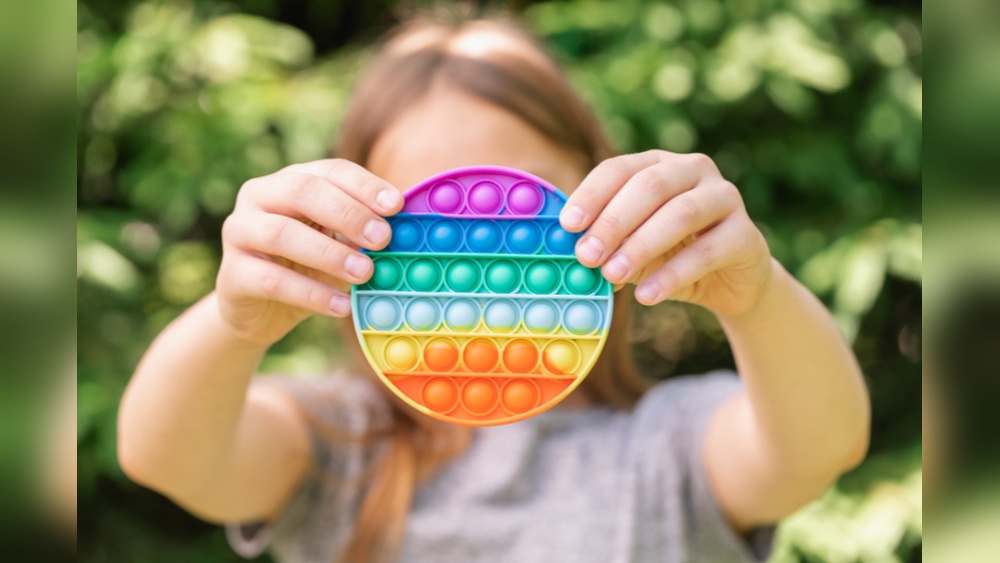
Do you ever wonder how your child can stay focused for longer periods? The right toys might hold the secret.
Toys are not just for fun—they play a big role in helping kids develop concentration and attention skills. When your child engages with the right kind of playthings, they learn to tune out distractions and stay absorbed in what they’re doing.
Imagine your child diving deep into a game or puzzle, sharpening their focus without even realizing it. Keep reading to discover how certain toys can boost your child’s ability to concentrate and why this matters for their growth.

Credit: allaroundaba.com
Role Of Toys In Focus Development
Toys play a vital role in helping children learn how to focus. Through play, kids practice paying attention to details and following rules. This practice strengthens their brain’s ability to concentrate for longer periods. Focus is a skill that improves with use, and toys create the perfect environment for this practice.
Playing with toys also encourages children to solve problems and make decisions. These activities require careful thought and concentration. As children engage with different types of toys, they build better attention skills that help in school and daily life.
How Play Enhances Attention
Play captures a child’s interest and keeps their mind active. It helps children learn to ignore distractions and stay on task. When kids play, they make choices and focus on completing activities. This process trains their brain to sustain attention for longer.
Repeated play helps children develop patience and persistence. They learn to try again and finish what they start. This practice builds the habit of focused attention that benefits learning and growth.
Types Of Toys That Boost Focus
Simple puzzles and building blocks require concentration and problem-solving. These toys encourage children to plan and think ahead. Sorting games and matching cards help kids pay attention to details.
Interactive toys that respond to actions keep children engaged. These toys hold a child’s interest and improve their ability to focus. Toys that involve steps, like board games, teach kids to follow rules and stay attentive.
Cognitive Benefits Of Focused Play
Focused play offers many cognitive benefits for children. It helps their brains grow stronger and sharper. Concentrating on toys or activities improves mental skills that are important for school and daily life.
Playing with toys in a focused way trains kids to pay attention for longer times. This kind of play builds important brain functions. It helps children remember details and solve problems better.
Improving Memory And Concentration
Toys that require focus help kids improve memory. They learn to recall shapes, colors, and steps in a game. This practice makes their short-term and long-term memory stronger.
Concentration grows as children focus on tasks without getting distracted. Toys like puzzles or building blocks encourage kids to keep attention. This skill helps children perform better in school tasks.
Stimulating Problem-solving Skills
Focused play challenges kids to think and find solutions. Toys that involve fitting pieces together or completing patterns push their thinking. This kind of play sharpens critical thinking and creativity.
Problem-solving through play teaches children how to plan and test ideas. They learn from mistakes and try again. These skills help kids handle real-life challenges with confidence.
Selecting Toys For Attention Growth
Selecting toys for attention growth helps children build focus naturally. Toys that match a child’s needs can keep them engaged longer. Thoughtful choices support brain development and improve concentration skills. Parents and caregivers play a key role in choosing the right toys. The goal is to find toys that hold interest without causing frustration.
Choosing the best toys requires understanding the child’s age and abilities. Toys should invite curiosity and encourage problem-solving. This balance helps children stay motivated to learn and explore. The right toy can turn playtime into a powerful learning moment.
Age-appropriate Toy Choices
Toys must fit the child’s age to support focus. Younger kids need simple toys with clear goals. Bright colors and easy shapes attract their attention. Older children can handle complex toys with steps to follow. Age-appropriate toys prevent boredom and help build skills step-by-step. This approach makes play both fun and educational.
Balancing Fun And Challenge
Toys should be fun but also challenge the mind. A toy that is too easy loses a child’s interest fast. Too hard, and the child may feel frustrated and give up. The best toys offer tasks just right for the child’s level. This balance encourages kids to keep trying and focus longer. It helps them develop patience and problem-solving skills.

Credit: www.amazon.com
Incorporating Toys Into Learning Routines
Toys can play an important role in a child’s learning routine. They make learning fun and help kids focus better. Using toys during study time can improve attention and memory. Toys also encourage kids to think and solve problems.
Incorporating toys into learning routines creates a balance of work and play. This helps children stay interested and motivated. It also builds habits of paying attention for longer periods. Choosing the right toys can support specific learning goals.
Creating Engaging Play Sessions
Start by setting a clear goal for each play session. Choose toys that match the child’s learning needs. Use puzzles, building blocks, or memory games for focus practice. Keep sessions short but exciting to hold attention. Change toys regularly to avoid boredom. Allow children to explore and discover on their own. Guide them gently without taking over the activity.
Encouraging Consistent Focus Practice
Make play sessions a daily habit. Consistency helps children build strong focus skills. Use the same toys over several days to deepen learning. Praise kids for their effort and attention. Gradually increase session length as focus improves. Include quiet times after play to help kids rest. Encourage children to set small goals during play. This teaches patience and concentration.
Parental Role In Focused Play
Parents play a big role in helping children focus during playtime. Their support and guidance shape how kids learn to pay attention. Focused play helps children build important skills. Parents can create the right setting and offer the right kind of help. This way, kids enjoy play and learn to concentrate better.
Guiding Without Over-directing
Parents should guide children gently during play. Too many instructions can make kids lose interest. Let children explore toys on their own first. Offer help only when they ask or seem stuck. This balance encourages kids to focus and think independently. It builds their confidence and keeps play fun.
Setting Up Distraction-free Environments
Choose a quiet place for playtime. Turn off TVs, phones, and other noisy devices. Keep toys organized to avoid clutter and confusion. A calm space helps children focus on their activity. It reduces distractions and improves their attention span. Creating this environment shows kids that playtime is special and important.

Credit: www.amazon.com
Frequently Asked Questions
How Do Toys Improve Kids’ Concentration Skills?
Toys engage children in tasks that require attention and patience. This helps them practice focusing on a single activity for longer periods. Interactive and educational toys especially boost concentration by challenging kids to solve problems or follow instructions.
What Types Of Toys Help Develop Focus?
Puzzles, building blocks, and memory games are excellent for enhancing focus. These toys require problem-solving and sustained attention. They encourage kids to think critically and stay engaged, which strengthens their ability to concentrate over time.
Can Playing With Toys Reduce Distractions In Children?
Yes, playing with focused activities helps children learn to ignore distractions. Toys that need careful handling or thought teach kids to block out irrelevant stimuli. This practice improves their overall attention span in daily tasks.
At What Age Do Toys Best Develop Focus?
Toys that develop focus can be introduced as early as toddler age. Simple puzzles and stacking toys help young children practice concentration. As kids grow, more complex toys continue to build their focus and cognitive skills.
Conclusion
Toys play a key role in helping kids stay focused. They make learning fun and keep children interested. Simple toys encourage children to pay attention and solve problems. Playing with toys builds patience and improves concentration skills. Parents and teachers can use toys to support kids’ focus every day.
Choosing the right toys helps children grow their attention span naturally. Small steps lead to big improvements in focus over time. Kids enjoy learning best when they play and stay engaged. Toys are more than just fun; they help minds grow strong.
