
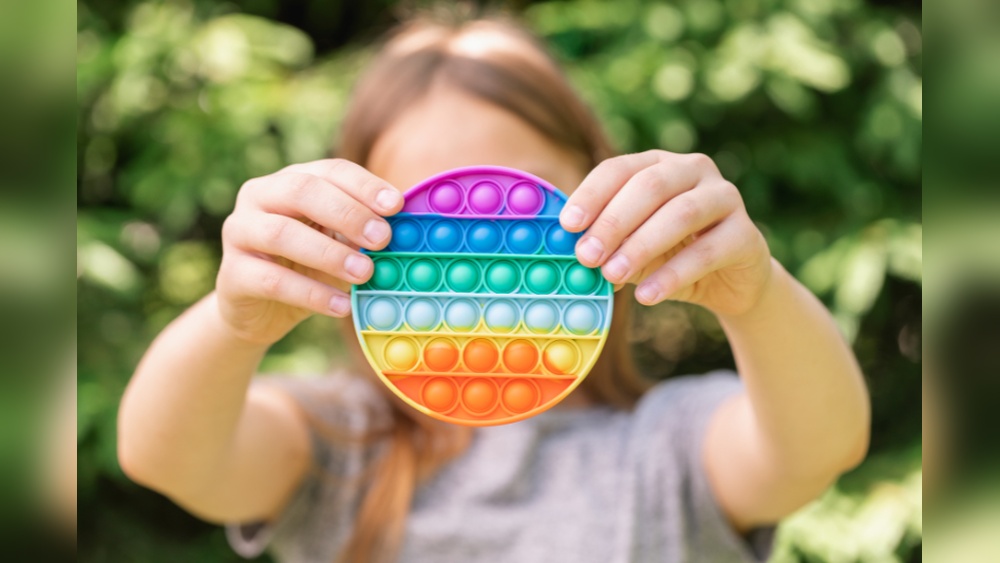
Have you ever noticed how your child gets completely absorbed in playing with their favorite toy? That deep focus isn’t just fun—it’s a powerful way their brain learns and grows.
Toys do more than entertain; they help your child develop attention and concentration skills that will benefit them for life. If you want to discover how the right toys can boost your kid’s ability to focus and why this matters for their future success, keep reading.
This simple insight could change the way you think about playtime forever.
Credit: www.pirouette-editions.fr
Role Of Toys In Focus Development
Toys play a key role in helping kids build focus. Through play, children learn to pay attention and stay engaged. Toys can guide their eyes, hands, and minds toward one task at a time. This practice is important for developing strong concentration skills.
Focus is not just about sitting still. It is about training the brain to notice details and ignore distractions. Toys that challenge kids help their brains grow and improve attention span. This focus supports learning and everyday activities.
Types Of Toys That Enhance Attention
Puzzle toys encourage kids to think carefully and solve problems. Building blocks require children to plan and create, boosting concentration. Toys with patterns or colors keep children curious and focused.
Simple toys like stacking rings or sorting shapes help kids practice matching and organizing. These activities demand attention to detail and patience. Toys that involve steps or rules also teach kids how to focus on instructions.
How Play Shapes Cognitive Skills
Play improves memory, reasoning, and problem-solving skills. When children play with toys, they practice thinking and learning. This active thinking helps their brains develop strong focus and attention.
Playing also teaches kids to control their impulses and wait for results. This self-control is a key part of focus. Through play, children learn to keep their minds on tasks longer and work through challenges.
Boosting Attention Through Play
Play is more than fun for kids. It helps their brains grow and focus improve. Toys and activities guide children to pay attention longer. They train the mind to stay on tasks. This skill builds early and supports learning at school. Play creates a natural way to boost attention.
Engaging Activities That Improve Concentration
Activities that hold interest help kids focus better. Puzzles, building blocks, and sorting games demand attention. These toys challenge children to think and plan steps. Repeating these tasks strengthens their ability to concentrate. Quiet play times also teach patience and calmness. Children learn to keep their mind on one thing.
Benefits Of Hands-on Learning Tools
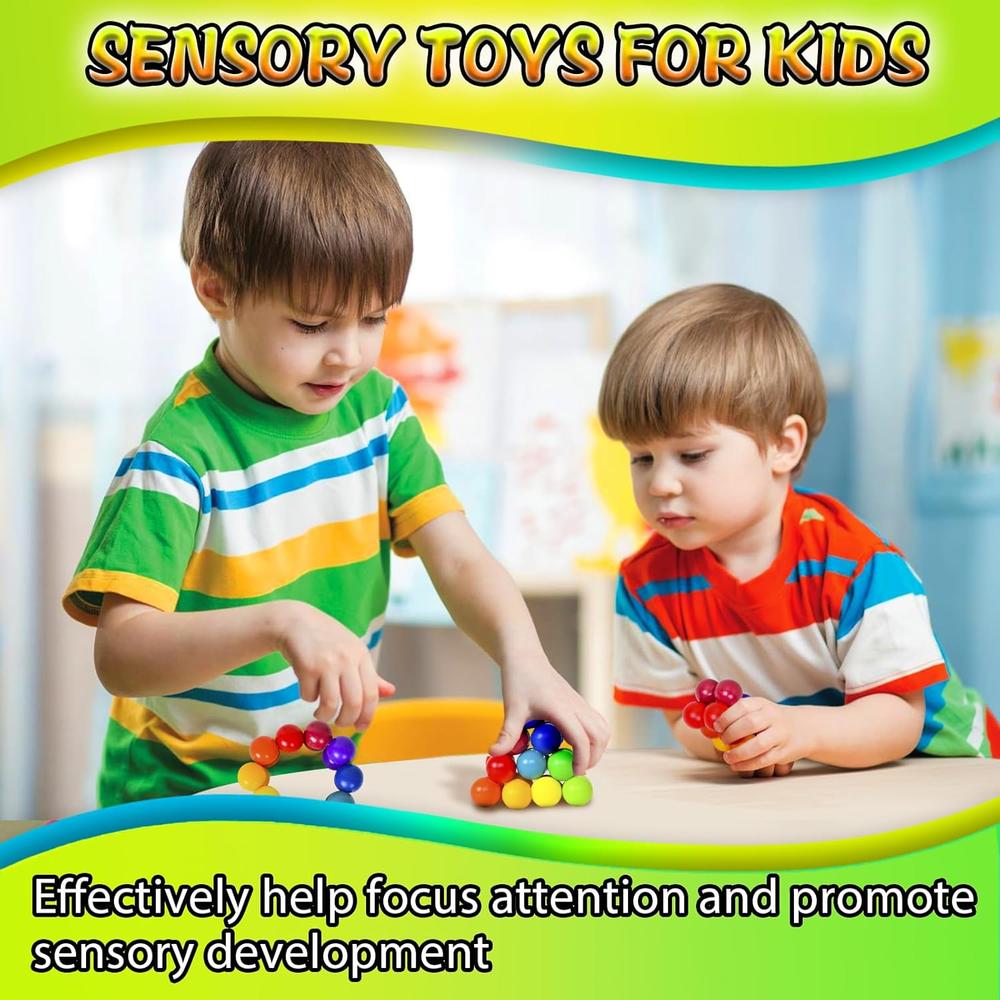
Hands-on toys let children explore with touch and sight. Manipulating objects improves hand-eye coordination and focus. These tools make learning active, not passive. Kids remember information better when they use their hands. Sensory toys help children notice details and patterns. This leads to longer attention spans and better understanding.
Toys That Support Learning Skills
Toys play a key role in helping children learn important skills. They make learning fun and keep kids interested. Toys that support learning skills help improve focus and brain function.
Choosing the right toys can help children build memory and develop problem-solving skills. These toys challenge the mind and encourage creativity. They help kids stay engaged and practice thinking.
Building Memory With Educational Toys
Memory games and puzzles are great for young minds. Toys like matching cards or sequence games boost memory skills. They teach kids to remember shapes, colors, and patterns. Repetition in these toys strengthens brain connections. This helps children focus and recall information better.
Educational toys that require remembering steps or rules improve attention span. They encourage kids to concentrate on the task at hand. This focus can carry over to other learning areas.
Encouraging Problem-solving And Creativity
Building blocks and construction sets inspire problem-solving. Kids learn to plan and find solutions while they play. Toys that allow open-ended play invite creativity and new ideas. Children explore different ways to build and create.
Creative toys help kids think outside the box. This skill is important for solving real-world problems. Problem-solving toys keep children engaged and focused for longer periods. They train the brain to analyze and adapt.

Credit: www.amazon.com
Choosing The Right Toys For Focus
Choosing the right toys plays a big role in helping kids focus better. The right toys keep children interested and encourage them to pay attention for longer. Selecting toys that match a child’s needs can improve their concentration skills over time.
It is important to think about the child’s age and abilities. Toys should challenge kids just enough without causing frustration. This balance helps children stay engaged and motivated to play and learn.
Age-appropriate Options
Toys designed for specific age groups support focus and development. For toddlers, simple puzzles or stacking blocks work well. These toys improve hand-eye coordination and patience.
For older kids, toys like building sets or memory games are better. They require more thinking and problem-solving. Age-appropriate toys avoid boredom and keep kids interested.
Balancing Fun And Skill Development
Toys must be fun to hold a child’s attention. Kids learn best when they enjoy the activity. Choose toys that combine play with skill-building.
For example, a toy that involves sorting shapes teaches both focus and problem-solving. Balance toys with clear goals and entertaining features. This mix helps kids develop focus naturally.
Tips For Parents To Maximize Toy Benefits
Toys play a big role in helping kids improve their focus. Parents can boost these benefits with the right strategies. Simple changes at home make playtime more effective. This helps children enjoy toys while learning concentration skills.
Following some easy tips can create a better play experience. These tips help kids stay interested and develop focus naturally. Parents guide children in using toys in a way that supports growth.
Creating Focus-friendly Play Environments
Choose a quiet space for play. Reduce noise and distractions like TV or loud music. Keep the area tidy to help kids find toys easily. Use soft lighting to create a calm mood. Let children have enough room to move and explore.
Organize toys by type or skill to keep kids focused. Rotate toys regularly to maintain interest. Avoid overwhelming children with too many options at once. This keeps their attention on one activity at a time.
Incorporating Routine And Structure
Set regular playtimes every day. Kids feel secure with predictable routines. Use timers to signal when play starts and ends. This helps children learn to focus during set periods.
Encourage short, focused play sessions at first. Gradually increase the time as kids improve. Praise children for staying focused and completing tasks. This builds positive habits and motivation.

Credit: www.amazon.com
Frequently Asked Questions
How Do Toys Improve Kids’ Concentration Skills?
Toys challenge children to focus on tasks and solve problems. This active engagement enhances their attention span and concentration. Play encourages kids to develop patience and persistence, crucial for sustained focus. Through play, kids learn to block distractions and stay attentive longer.
What Types Of Toys Boost Kids’ Focus The Most?
Puzzles, building blocks, and strategy games are excellent for improving focus. These toys require planning, problem-solving, and attention to detail. Interactive and educational toys also stimulate cognitive skills, promoting sustained concentration during playtime.
Can Playing With Toys Reduce Attention Problems?
Yes, regular play with focus-enhancing toys can help reduce attention issues. Toys that engage multiple senses help improve brain function and attention control. Consistent play helps children practice maintaining focus in a fun, stress-free way.
How Does Imaginative Play With Toys Aid Focus Development?
Imaginative play encourages kids to create scenarios and follow storylines, boosting their concentration. It develops their ability to organize thoughts and maintain attention on complex tasks. This creative engagement strengthens mental focus and cognitive flexibility.
Conclusion
Toys play a big role in helping kids focus better. They keep children interested and encourage thinking. Playing with toys builds patience and attention span. Kids learn to solve problems step by step. This practice helps them stay on tasks longer.
Choosing the right toys can support learning and growth. Simple play can lead to strong focus skills. Giving kids time to play is very important. Toys are more than just fun—they help minds grow.
