
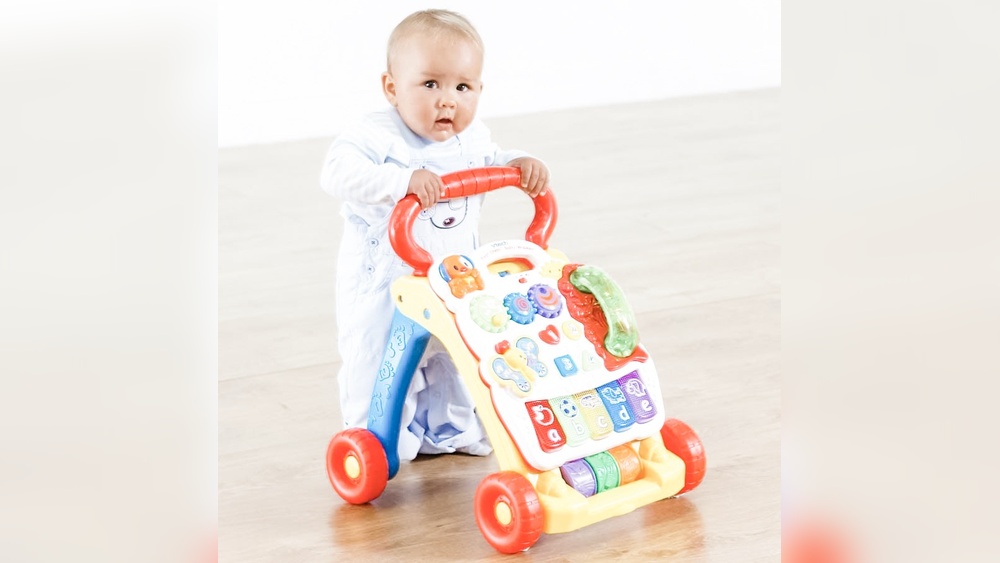
Have you ever wondered how something as simple as a toy can shape your baby’s brain? Toys do more than just keep your little one busy—they are powerful tools that help your baby learn about the world around them.
From building motor skills to sparking creativity, the right toys can boost your baby’s growth in surprising ways. Keep reading to discover how you can choose toys that truly support your baby’s learning and give them the best start possible.

Credit: www.amazon.com
Role Of Toys In Early Learning
Toys play a vital role in a baby’s early learning. They help develop skills that support growth. Babies learn about the world through play. Toys provide a safe way to explore new ideas and sensations. Each toy offers different chances to practice skills. Through play, babies build their senses and curiosity. They also develop motor skills and problem-solving abilities. Toys are not just for fun; they are tools for learning.
Stimulating Senses
Toys help stimulate a baby’s senses. Bright colors catch their eyes and hold attention. Soft toys offer different textures to touch and feel. Sounds from rattles or music toys teach hearing skills. Some toys have different smells or tastes for sensory exploration. These experiences help babies understand their environment better. Sensory play supports brain development and awareness.
Encouraging Exploration
Toys invite babies to explore and discover. Blocks and shapes encourage problem solving and creativity. Push and pull toys motivate movement and balance. Babies learn cause and effect by pressing buttons or moving parts. Exploration builds confidence and independence. Toys create a fun way to try new things. This curiosity strengthens learning and mental growth.

Credit: www.expressable.com
Types Of Toys For Development
Toys play a big role in a baby’s growth. Different toys help develop different skills. Choosing the right toy helps babies learn and explore. Here are some key types of toys for development.
Sensory Toys
Sensory toys help babies use their senses. They include toys with different textures, colors, and sounds. Babies learn by touching, seeing, and hearing these toys. Examples are soft balls, rattles, and textured books. Sensory toys improve brain connections and awareness.
Motor Skill Toys
These toys encourage movement and coordination. Babies practice grasping, crawling, and walking with them. Toys like stacking blocks, push toys, and balls help develop fine and gross motor skills. Motor skill toys build strength and control.
Cognitive Toys
Cognitive toys stimulate thinking and problem-solving. Puzzles, shape sorters, and simple cause-and-effect toys belong here. Babies learn to recognize shapes, colors, and patterns. These toys boost memory and attention.
Social Interaction Toys
Social toys promote sharing and communication. Dolls, toy phones, and playsets encourage interaction with others. They help babies understand emotions and social rules. These toys support language and social skills.
Toys And Motor Skills
Toys play a big role in helping babies develop motor skills. These skills are important for everyday tasks like eating, dressing, and playing. Different toys encourage babies to use their hands and bodies in ways that build strength and coordination. Motor skills are divided into two main types: fine motor and gross motor. Each type grows with the help of specific toys.
Fine Motor Development
Fine motor skills involve small movements using the fingers and hands. Toys like stacking blocks, shape sorters, and puzzles help babies practice these skills. Holding, grasping, and manipulating small objects improve hand-eye coordination. Babies learn to control their fingers and develop precision. These skills prepare them for writing, buttoning clothes, and using utensils.
Gross Motor Development
Gross motor skills use larger body movements. Toys such as push toys, ride-ons, and balls encourage babies to crawl, walk, and balance. These activities strengthen muscles in the arms, legs, and torso. Moving the whole body helps with posture and coordination. Babies gain confidence as they explore movement through play.
Toys And Cognitive Growth
Toys play a key role in a baby’s brain growth. They help babies learn about the world around them. Playing with toys encourages thinking and understanding. Babies explore shapes, colors, and sounds. This exploration builds strong brain connections. Toys also help babies learn new skills step by step.
Different toys challenge babies to think and solve problems. They also support babies as they learn to speak and understand words. Through play, babies develop important skills needed for later learning and everyday life.
Problem Solving Skills
Toys like puzzles and blocks teach babies how to solve problems. Babies try different ways to fit pieces together. This process helps them learn cause and effect. Toys encourage babies to think and try again. Babies learn patience and persistence. These skills help babies face challenges confidently.
Language Development
Talking toys and books help babies learn new words. Babies listen and repeat sounds. This practice builds their vocabulary. Toys with letters and pictures encourage babies to name objects. Simple songs and rhymes improve babies’ listening skills. Early language skills help babies communicate better as they grow.
Social And Emotional Benefits
Toys do more than entertain babies. They help develop social and emotional skills. These skills are important for making friends and feeling happy. Playing with toys teaches babies about sharing, waiting, and caring. It also helps them express feelings and understand others.
Sharing And Cooperation
Toys encourage babies to share with others. Sharing helps babies learn patience and kindness. When babies play together, they learn to take turns. This teaches cooperation. Babies also see how their actions affect others. Playing with toys helps build friendships and trust.
Emotional Expression
Toys help babies show their feelings. Soft dolls or stuffed animals provide comfort. Babies use toys to act out emotions like joy or frustration. This helps them understand their feelings better. Playing with toys also reduces stress and builds confidence.

Credit: woodtoe.com
Choosing The Right Toys
Choosing the right toys plays a big role in a baby’s growth. The right toys help develop skills like motor control, problem-solving, and language. Selecting toys that match a baby’s needs and abilities supports learning and keeps playtime fun and safe.
Age-appropriate Options
Babies grow fast. Toys that fit their age help them learn better. For newborns, soft toys and rattles work well. These encourage touch and sound recognition.
Older babies enjoy toys that they can hold and move. Blocks, stacking cups, and simple puzzles improve hand-eye coordination. Always check the toy’s label for age recommendations.
Safety Considerations
Safety is the top priority when choosing toys for babies. Avoid toys with small parts that can cause choking. Look for non-toxic materials that are safe to chew on.
Check toys for sharp edges or loose pieces. Toys should be easy to clean to keep germs away. Safe toys protect babies while they explore and learn.
Incorporating Toys Into Daily Play
Toys play a big role in a baby’s learning and growth. Using toys during daily play helps babies explore and understand the world. It makes learning fun and supports key skills like thinking, moving, and talking. Parents and caregivers can make playtime more meaningful by adding toys in simple ways.
Creating Engaging Playtime
Choose toys that fit your baby’s age and interests. Soft blocks, colorful balls, and simple puzzles work well. Change toys often to keep your baby curious. Use toys to tell stories or sing songs. This helps your baby connect sounds and objects. Make eye contact and smile to encourage your baby’s attention. Play on the floor where your baby can move freely. Let your baby touch and explore each toy. This builds fine motor skills and hand-eye coordination.
Balancing Screen And Toy Time
Limit screen time for babies under two years old. Screens do not help babies learn like real toys do. Toys offer hands-on play and real-world learning. Use toys for active play and screen time for quiet moments only. Watch your baby’s reactions to toys and screens. Notice what keeps your baby engaged and happy. Switch between toys and quiet play to keep things fresh. This balance supports healthy brain and body growth.
Frequently Asked Questions
How Do Toys Boost A Baby’s Brain Development?
Toys stimulate a baby’s senses and encourage exploration. They improve cognitive skills by promoting problem-solving and memory. Playing with toys also enhances motor skills and hand-eye coordination. These activities create strong neural connections, aiding brain growth and learning.
What Types Of Toys Help Babies Learn Best?
Toys that are colorful, textured, and interactive help babies learn best. Soft blocks, rattles, and stacking cups encourage sensory exploration and fine motor skills. Toys with sounds and lights also engage babies and stimulate their auditory and visual senses.
When Should Babies Start Playing With Educational Toys?
Babies can start playing with simple educational toys from birth. Newborns benefit from soft, high-contrast toys that stimulate sight and touch. As they grow, more complex toys that encourage grasping and problem-solving become ideal for learning and development.
How Do Toys Improve A Baby’s Motor Skills?
Toys encourage babies to reach, grasp, and manipulate objects. This practice strengthens muscles and improves hand-eye coordination. Crawling and walking toys also promote gross motor skills. Regular play with toys helps babies develop physical abilities essential for daily activities.
Conclusion
Toys play a big role in how babies learn and grow. They help babies explore colors, shapes, and sounds. Playing with toys also builds baby’s thinking and motor skills. Babies learn cause and effect while having fun. Choosing simple, safe toys encourages curiosity and creativity.
Toys turn learning into play, making it easier for babies to understand. Every baby benefits from hands-on play experiences. So, provide toys that invite discovery and joy. Watch your baby learn step by step, one toy at a time.
