
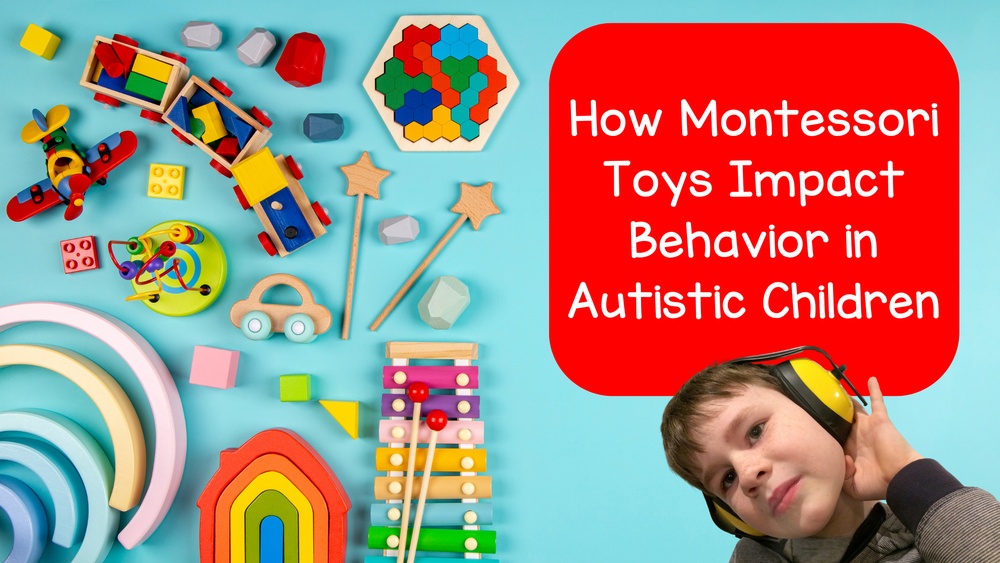
Have you ever wondered how the toys your child plays with shape their behavior? The toys they choose aren’t just fun distractions—they can influence how they think, act, and even feel.
Understanding this connection can help you guide your child toward positive habits and healthy development. Keep reading to discover surprising ways toys impact your child’s behavior and what you can do to make the most of playtime.
Types Of Toys And Their Impact
Toys play a big role in shaping how kids behave and learn. Different types of toys affect children in different ways. Some toys help with learning, while others encourage creativity or physical activity. Understanding the impact of various toys can help parents choose the best ones for their children.
Educational Toys And Cognitive Skills
Educational toys help kids develop thinking and problem-solving skills. Puzzles, building blocks, and math games boost memory and focus. These toys encourage children to learn while playing. They also improve language and math abilities. Educational toys set a strong foundation for school success.
Action Figures And Aggression
Action figures often encourage role-playing and storytelling. Kids act out scenes from their favorite shows or movies. Sometimes, this play involves fighting or battles. This can increase aggressive behavior temporarily. But it also helps children express emotions safely. Supervision and guidance are important with these toys.
Creative Toys And Imagination
Creative toys like art supplies and dress-up clothes inspire imagination. Kids create their own stories and worlds. This kind of play builds creativity and problem-solving skills. It also improves social skills when children play together. Creative toys allow children to explore feelings and ideas freely.
Electronic Toys And Attention Span
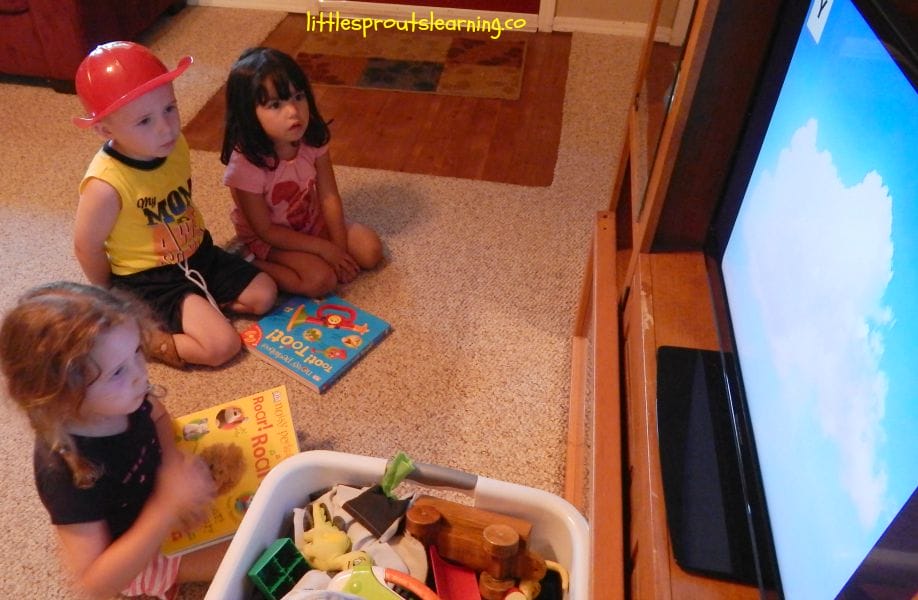
Electronic toys capture kids’ attention with lights and sounds. They provide quick rewards and fast feedback. This can make it hard for kids to focus on slow tasks. Too much screen time may reduce attention span. Moderation and choosing age-appropriate toys help balance playtime.
Credit: littlesproutslearning.co
Social Development Through Play
Play is key to a child’s social growth. Through play, children learn how to interact with others. They discover sharing, teamwork, and understanding feelings. Toys play a big role in shaping these skills. Social development through play builds a strong foundation for future relationships.
Role Of Cooperative Toys
Cooperative toys invite children to work as a team. These toys require kids to help each other to reach a goal. Playing with cooperative toys teaches children patience and respect. It also helps them solve problems together. These skills are important for social success.
Toys That Encourage Sharing
Toys that need sharing help kids learn kindness. Sharing toys teaches children to wait for their turn. It also shows them how to care about others’ feelings. This practice builds empathy and cooperation. Children who share toys often make more friends.
Impact On Communication Skills
Playing with others using toys boosts talking skills. Children describe what they want or need during play. They learn to listen and respond to friends. This back-and-forth helps build strong communication. Better communication leads to better social connections.
Emotional Effects Of Toys
Toys play a big role in shaping a child’s emotions. They help kids express feelings and understand the world. Emotional growth is important for building strong relationships and self-confidence.
Different toys bring out different feelings. Some toys give comfort, while others teach empathy or help reduce stress. Let’s explore how toys affect kids’ emotions.
Comfort Toys And Security
Comfort toys offer a sense of safety. A soft teddy bear or blanket can calm a child during tough times. These toys become a friend in moments of fear or sadness.
Children often carry comfort toys to feel secure in new places. This helps them face challenges with less anxiety. Such toys build emotional stability and trust.
Toys Influencing Empathy
Role-playing toys like dolls or action figures teach empathy. Kids imagine others’ feelings and situations. This practice helps them understand kindness and care.
Playing with others using these toys also builds social skills. Children learn to share, listen, and cooperate. Empathy grows through these simple, everyday interactions.
Stress Relief Through Play
Play is a natural way for kids to reduce stress. Toys that encourage creativity, like building blocks or art supplies, help release tension. Kids focus on fun, forgetting worries.
Active toys also use up energy, helping children feel calm afterward. Regular play lowers stress hormones and lifts mood. Toys support mental health in a gentle way.

Credit: www.compleatkidz.com
Gender Stereotypes And Toy Choices
Toys play a big role in shaping how children see themselves and others. They often reflect ideas about what boys and girls should like or do. These ideas are called gender stereotypes. They can limit a child’s creativity and growth. Understanding how toys affect these views helps parents and teachers guide children better.
Choosing toys based on gender can keep old stereotypes alive. Boys might get cars and action figures. Girls often receive dolls and kitchen sets. These choices send messages about what is “normal” for each gender. Kids learn to fit into these roles without much thought.
How Toys Shape Gender Roles
Toys teach children about roles in society. Boys playing with building blocks learn problem-solving and strength. Girls playing with dolls learn care and nurturing. These lessons shape how children think about themselves. They start to believe some tasks suit only boys or girls.
Early play affects future interests and skills. Boys may avoid art or cooking. Girls may shy away from science or sports. This limits what children try and enjoy. Toys create a pattern of what is expected from each gender.
Breaking Stereotypes With Inclusive Toys
Inclusive toys help break down gender barriers. They encourage all children to explore different skills. For example, a doll can teach empathy to boys. A toolset can inspire girls to build and create. These toys show no activity is just for one gender.
Using diverse toys supports equal opportunities. Children learn to respect different interests and talents. They grow more confident to choose what they like. This helps create a world where everyone feels free to be themselves.
Screen Time And Digital Toys
Screen time and digital toys have become a big part of children’s daily lives. Many kids enjoy playing with tablets, smartphones, and electronic games. These digital tools can be fun and educational. Yet, they also change how kids behave and focus. Understanding their impact helps parents and teachers guide healthy play habits.
Effects On Attention And Behavior
Digital toys often demand constant focus and quick reactions. This can make kids more alert but also more restless. Long screen time may shorten their attention spans. Some children might find it hard to sit still or concentrate on other tasks. Overuse of digital devices can lead to irritability or mood swings. Watching fast-moving images may overstimulate the brain. This changes how children respond to real-world situations.
Balancing Digital And Traditional Play
Mixing digital play with traditional toys supports healthy development. Physical toys like blocks and puzzles improve motor skills and creativity. Outdoor games build social skills and fitness. Parents should set clear limits on screen time. Encourage children to explore both digital and hands-on activities. This balance helps kids learn self-control and enjoy varied experiences. It also reduces the risk of negative effects from too much screen use.
Credit: theearlychildhoodacademy.com
Parental Role In Toy Selection
Parents play a key role in choosing toys for their children. The right toys help kids learn and grow. The wrong toys can cause frustration or bad habits. Parents must think about the child’s needs and interests. They guide playtime by picking toys that teach good skills and behavior. This helps children enjoy play and build positive habits early.
Choosing Age-appropriate Toys
Toys must match the child’s age and ability. Younger kids need simple toys that are safe and easy to use. Older kids benefit from toys that challenge their thinking and skills. Age-appropriate toys prevent frustration and keep kids engaged. Parents should check labels and choose toys designed for their child’s stage. This choice supports healthy growth and learning through play.
Encouraging Positive Play Patterns
Parents can guide how children play with toys. They should encourage sharing and taking turns. Toys that promote creativity and cooperation help develop social skills. Parents can join playtime to model good behavior. Praise and gentle correction steer kids toward positive habits. This guidance shapes how children interact with others and use their toys.
Frequently Asked Questions
How Do Toys Influence Children’s Social Skills?
Toys encourage sharing, cooperation, and communication among kids. Playing with peers fosters empathy and teamwork. Role-playing toys enhance understanding of social roles and relationships.
Can Educational Toys Improve Cognitive Development?
Yes, educational toys stimulate problem-solving, memory, and critical thinking. They promote curiosity and learning through interactive play. These toys support brain growth and academic readiness.
What Is The Impact Of Violent Toys On Behavior?
Violent toys may increase aggression and desensitize kids to violence. They can affect emotional regulation negatively. Parental guidance is crucial to balance play experiences.
How Do Toys Affect Emotional Development In Children?
Toys help express feelings and manage emotions safely. Comfort toys provide security and reduce anxiety. Creative toys encourage imagination and self-expression.
Conclusion
Toys shape how children think and act every day. They help kids learn new skills and express feelings. Choosing the right toys can support positive behavior and creativity. Watching how children play reveals a lot about their moods and needs.
Playtime is more than fun; it’s a key part of growth. Parents and caregivers play a big role in guiding this play. Understanding toys’ impact helps create a happy, healthy childhood. Small moments with toys build strong minds and hearts.
Play smart. Choose wisely. Help kids grow.
