
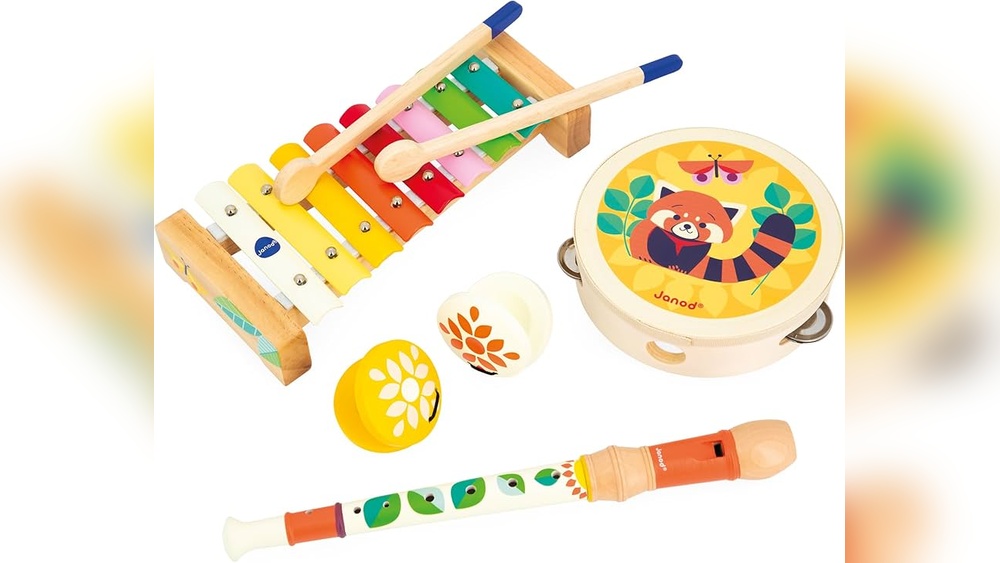
When you pick out a toy for your child, you want to be sure it’s safe. But have you ever wondered how those safety rules for toys are made?
Understanding how toy safety standards are set can help you feel confident about the toys your child plays with every day. You’ll discover the step-by-step process behind these important rules and learn what keeps your little one protected. Keep reading to find out how experts work behind the scenes to make playtime safe and fun for your family.

Credit: www.ubuy.com.jo
Toy Safety Authorities
Toy safety authorities play a crucial role in protecting children worldwide. They create rules and standards to keep toys safe. These organizations check if toys meet safety requirements before reaching kids. Their work helps prevent accidents and injuries from unsafe toys.
Global Regulatory Bodies
Global regulatory bodies set safety rules used in many countries. They study risks related to toys and create universal standards. The International Organization for Standardization (ISO) is one such body. It develops guidelines that manufacturers follow to ensure toy safety. Another example is the World Health Organization (WHO). It provides data and advice on child safety worldwide.
National Safety Agencies
Each country has agencies that enforce toy safety laws locally. These agencies test toys sold within their borders. They also recall products that fail safety tests. The U.S. Consumer Product Safety Commission (CPSC) is a key example. It sets safety standards and monitors toy recalls. In Europe, the European Committee for Standardization (CEN) plays a similar role. National agencies work closely with manufacturers to protect children.

Credit: www.amazon.com
Key Safety Criteria
Key safety criteria form the foundation of toy safety standards. These rules protect children from harm. They guide manufacturers in making safe toys. Understanding these criteria helps parents choose the right toys.
Material Quality And Toxicity
Materials used in toys must be safe and non-toxic. Harmful chemicals can cause serious health problems. Toys should not contain lead, phthalates, or other dangerous substances. Testing ensures materials meet strict safety limits. Only high-quality, child-safe materials pass these tests.
Choking Hazards And Small Parts
Toys for young children must avoid small parts. Small pieces can cause choking or breathing problems. Safety rules define which toys can have small parts. Age recommendations help prevent choking accidents. Manufacturers test toys by simulating a child’s mouth size.
Mechanical And Physical Properties
Toys must be strong and durable. Sharp edges, points, or loose parts are not allowed. Toys undergo stress tests to check durability. They must not break easily or cause cuts. Mechanical safety ensures children can play without injury.
Testing Procedures
Testing procedures are vital in setting toy safety standards. They ensure toys are safe before reaching children. Experts use many methods to check toys carefully. These tests show if toys can cause harm or break easily.
Laboratory Testing Methods
Laboratory testing involves controlled environments to study toys. Machines simulate play conditions. Tests check parts, materials, and overall design. These methods help spot hidden dangers. Experts analyze every detail for safety.
Impact And Stress Tests
Impact tests measure how toys handle drops and hits. Stress tests check if toys resist bending or twisting. These tests ensure toys stay intact during rough play. They prevent choking hazards from broken pieces.
Chemical Analysis
Chemical analysis checks for harmful substances in toys. Experts test paints, plastics, and fabrics for toxins. This process protects children from poisons and allergies. Safe chemical levels keep toys healthy to use.

Credit: www.lego.com
Labeling And Certification
Labeling and certification play a key role in toy safety. They help parents and caregivers identify safe toys quickly. These labels show that toys meet strict safety rules. Certification means a trusted group has tested the toy. This process reduces risks of injury or harm.
Clear labels give important safety details. They include warnings and instructions. Certification marks prove a toy passed tests for chemicals, choking hazards, and durability. Understanding these labels helps buyers make smart choices. It also encourages makers to follow safety laws.
Safety Marks To Look For
Safety marks show a toy meets official safety standards. Common marks include CE, ASTM, and EN71. The CE mark means the toy meets European safety rules. ASTM is a US standard for toy safety. EN71 covers many safety areas in Europe.
These marks confirm testing in labs for hazards. They check for sharp edges, small parts, and toxic materials. Seeing these marks on a toy gives confidence it is safe to use.
Age Appropriateness Labels
Age labels tell the suitable age range for a toy. They help prevent accidents with toys that are too advanced for kids. For example, toys with small parts are not for children under 3 years old.
Age labels guide buyers to choose toys that fit a child’s development. They also warn about choking hazards and other risks. Following these labels keeps playtime fun and safe.
Role Of Manufacturers
Manufacturers play a key role in setting toy safety standards. They must make sure their products are safe for children. This means following rules and guidelines set by safety organizations and governments. Their work helps prevent accidents and injuries from unsafe toys.
Manufacturers also work with testing labs to check toys for hazards. They design toys to avoid choking, sharp edges, and toxic materials. Their commitment to safety helps build trust with parents and caregivers.
Compliance Responsibilities
Manufacturers must understand and follow all safety laws. They keep up with changes in regulations and update their products accordingly. Each toy must pass safety tests before it reaches stores. Proper documentation and labeling are part of their duties. This shows the toy meets legal safety requirements.
Quality Control Measures
Manufacturers use quality control to spot problems early. They inspect materials and parts during production. Regular tests ensure toys meet safety standards every time. Faulty toys are removed before shipping. This process helps keep children safe and reduces recalls.
Parental Tips For Safe Toy Selection
Choosing safe toys is important for every parent. Safe toys protect children from harm and support healthy play. Parents need to know how to pick toys that meet safety rules. This helps avoid accidents and injuries.
Parents can learn simple ways to find safe toys. Understanding safety labels and checking toys carefully makes a big difference. These steps help parents feel confident about their choices.
Recognizing Certified Toys
Certified toys meet official safety standards. Look for labels like ASTM, CE, or CPC on the packaging. These marks show the toy has passed safety tests. Certified toys have fewer risks like choking or toxic materials. Choosing certified toys is a smart way to protect children.
Inspecting Toys Before Purchase
Check toys for small parts that can come loose. Avoid toys with sharp edges or points. Look for sturdy construction and safe materials. Test moving parts to ensure they won’t pinch fingers. If a toy breaks easily, it is not safe. Always read the age recommendations on the box.
Frequently Asked Questions
What Organizations Set Toy Safety Standards?
Toy safety standards are set by organizations like ASTM International, CPSC (Consumer Product Safety Commission), and ISO. These bodies establish guidelines to ensure toys are safe for children worldwide. They involve experts, manufacturers, and regulators in creating effective safety protocols.
How Are Toy Safety Standards Developed?
Toy safety standards are developed through research, testing, and expert collaboration. They consider choking hazards, toxic materials, and mechanical risks. The process includes public reviews and updates to keep standards current and effective in protecting children.
Why Are Toy Safety Standards Important?
Toy safety standards protect children from injuries and health risks. They ensure toys meet minimum safety requirements before reaching consumers. This reduces accidents, recalls, and promotes trust in toy manufacturers.
How Often Are Toy Safety Standards Updated?
Toy safety standards are updated regularly, often every few years. Updates reflect new research, technology, and injury data. This ensures ongoing protection and addresses emerging safety concerns.
Conclusion
Toy safety standards protect children from harm. Experts test toys for choking, chemicals, and sharp edges. Rules change to match new risks and technology. Parents and makers both play a role in safety. Following these standards helps keep playtime fun and safe.
Understanding how rules are set makes smart choices easier. Safe toys mean happy kids and peace of mind for families.
