
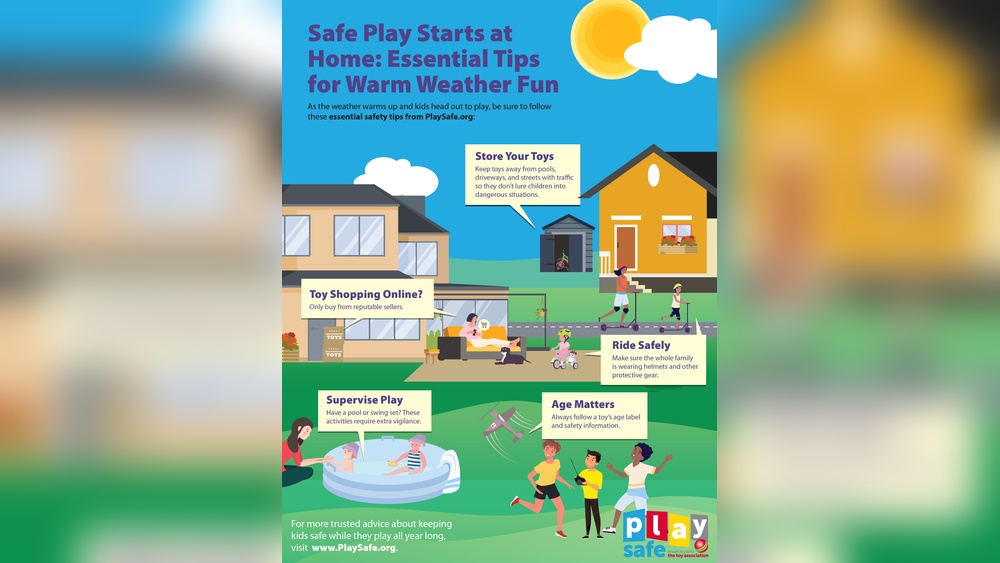
Are your kids’ toys taking over your home? You want a space that’s safe, tidy, and easy to enjoy—but clutter and scattered toys can make that feel impossible.
What if you could store toys in a way that protects them and keeps your home organized? You’ll discover simple, effective tips to store toys safely at home. These ideas will save you time, reduce stress, and keep your little ones happy and safe.
Keep reading to transform your space and bring order back to your home.
Choose The Right Storage Containers
Choosing the right storage containers is key to keeping toys safe and organized at home. The right containers protect toys from dust, damage, and spills. They also make it easier for kids to find and put away their toys. Picking containers that fit your space and needs saves time and stress.
Types Of Storage Bins
Storage bins come in many types. Plastic bins are durable and easy to clean. Fabric bins are lightweight and foldable for small spaces. Wooden boxes add a nice look and are very sturdy. Each type suits different toys and rooms. Choose bins that match the toy size and weight.
Benefits Of Clear Containers
Clear containers let you see toys inside without opening them. This saves time during cleanups and playtime. Kids can spot their favorite toys quickly. Clear bins also help parents check if toys are missing or broken. They keep everything visible and neat at the same time.
Using Labels Effectively
Labels make toy storage simple and clear. Write the name or draw a picture of the toy on each bin. This helps kids know where to put toys back. Use large, easy-to-read labels. Change labels as children grow or toy collections change. Labeling creates order and reduces mess.

Credit: vicentetorns.com
Maximize Closet And Shelf Space
Closets and shelves are great for storing toys safely at home. Using these spaces well keeps toys organized and easy to find. It also helps keep rooms tidy and safe from tripping hazards.
Small changes can make big differences. Proper storage saves space and protects toys from damage. Here are some ways to maximize closet and shelf space for toy storage.
Installing Adjustable Shelves
Adjustable shelves let you change shelf height to fit different toys. Tall toys like dolls need more space. Small toys fit on shorter shelves. This flexibility uses closet space better.
Use sturdy materials for shelves to hold heavy toys. Adjustable shelves keep toys neat and easy to reach. Kids can help put toys away with simple shelf access.
Utilizing Hanging Organizers
Hanging organizers use vertical space inside closets. They have pockets or compartments for small toys. These organizers save shelf space for bigger items. Soft toys and action figures fit well in hanging pockets.
Install hooks or rods to hang organizers securely. Hanging storage keeps toys visible and easy to grab. It also keeps floors clear and safe.
Creating Zones For Different Toys
Zones divide closet or shelves by toy type. Cars in one area, blocks in another. This system helps kids find toys fast. It also makes cleanup easier and faster.
Label zones with words or pictures for easy ID. Use bins or baskets to keep toys in zones. Zone storage keeps everything in order and safe.
Create Accessible Storage Solutions
Creating accessible storage solutions helps keep toys organized and easy to find. Kids feel more independent when they can reach their toys. Easy access also encourages quick clean-up and less mess. Safe storage means fewer accidents and broken toys.
Low Shelves For Kids
Low shelves help children reach toys without help. Place shelves at a child’s height, about 2 to 3 feet high. This way, kids can see and grab toys easily. Use sturdy shelves to avoid tipping. Label shelves with pictures or words for easy sorting.
Open Bins Vs. Closed Boxes
Open bins show toys clearly. Kids can find and put toys away fast. Closed boxes keep dust out and hide clutter. Choose clear plastic boxes to see inside without opening. Use lids that snap on securely to keep toys safe. Mix open bins and closed boxes for different toy types.
Portable Storage Options
Portable storage like rolling carts or boxes on wheels helps move toys between rooms. Kids can carry toys to play areas and put them away after. Use lightweight containers with handles for easy carrying. Portable storage makes cleanup faster and keeps toys together.
Credit: www.safekids.org
Incorporate Multi-functional Furniture
Multi-functional furniture offers smart solutions for toy storage. It saves space and keeps toys organized. This type of furniture combines usefulness with storage. You can keep your home tidy without extra bins or shelves.
Choosing pieces that serve more than one purpose helps maintain order. Kids can easily access their toys. After playtime, the furniture hides toys out of sight. This method simplifies cleaning and reduces clutter.
Storage Ottomans And Benches
Storage ottomans and benches provide hidden space for toys. They work as seats and storage units. You can place them in living rooms or play areas. The soft top makes them comfortable for sitting. Inside, there is enough room for books, blocks, or dolls.
These pieces keep toys out of the way but close by. Kids learn to store toys after use. It encourages good habits and keeps rooms neat.
Beds With Built-in Drawers
Beds with built-in drawers offer extra storage under the mattress. These drawers hold toys, clothes, or bedding. It uses space that usually goes unused. This furniture is perfect for small rooms or shared spaces.
Children can easily reach toys stored below. It helps keep the floor clear and prevents trips. The bed stays tidy, making the room look clean and organized.
Tables With Toy Compartments
Tables with toy compartments combine play and storage in one. The compartments store puzzles, art supplies, and small toys. These tables keep items within reach during playtime. Clean up is fast and simple.
They work well in playrooms or bedrooms. These tables encourage kids to keep toys in order. It makes the space functional and clutter-free at the same time.
Maintain Safety In Toy Storage
Storing toys safely is important for every home. Proper toy storage keeps children safe and rooms tidy. It reduces the chance of accidents and injuries. Organizing toys with safety in mind protects kids from common hazards. This section explains key steps to maintain safety in toy storage.
Avoiding Small Parts Hazards
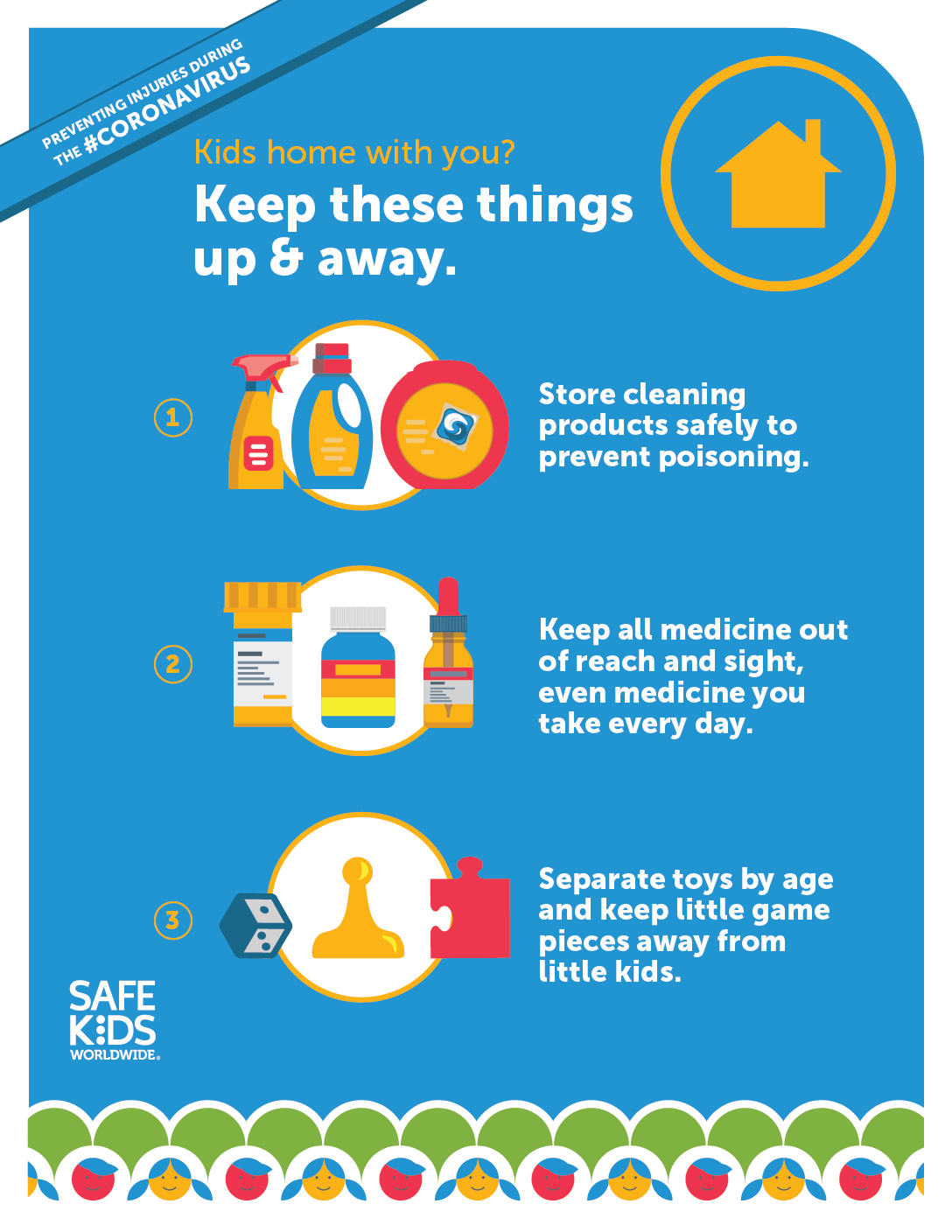
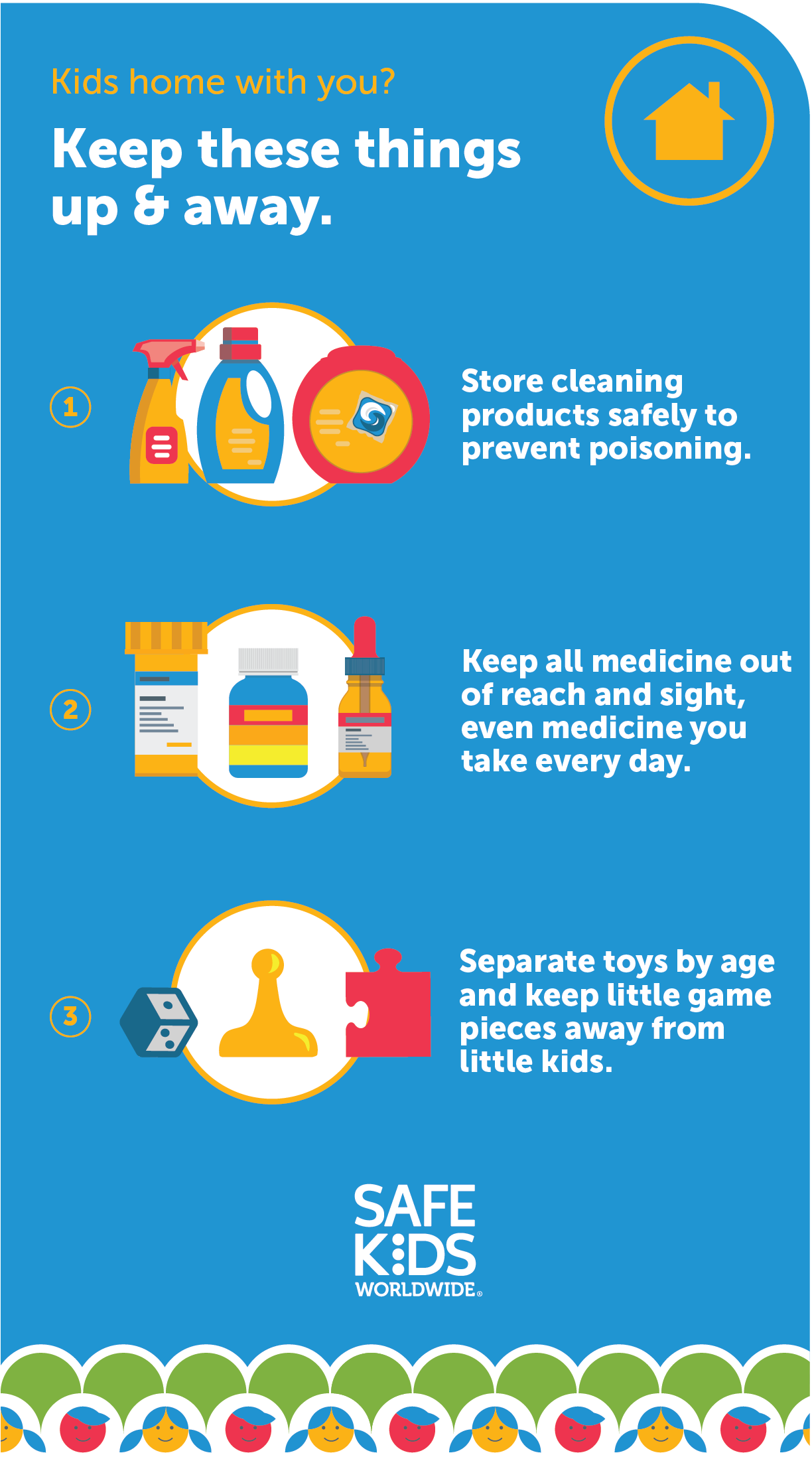
Small parts can cause choking and swallowing risks. Store toys with tiny pieces out of reach of young children. Use clear containers with lids to keep these parts contained. Check toys regularly for broken or loose pieces. Discard or repair damaged toys immediately to prevent accidents.
Securing Heavy Items
Heavy toys and storage bins can fall and hurt children. Place heavy items on low shelves or the floor. Secure shelves to walls to stop tipping. Avoid stacking heavy bins too high. Teach children to ask for help moving heavy toys to prevent injuries.
Safe Placement Of Sharp Toys
Toys with sharp edges or points need careful storage. Store sharp toys in closed containers or boxes. Keep these containers out of children’s direct reach. Regularly inspect toys for broken sharp parts. Replace or fix damaged toys to avoid cuts or scrapes.
Credit: www.safekids.org
Establish Toy Rotation Systems
Establishing a toy rotation system helps keep playtime fresh and your home tidy. Instead of having all toys out at once, rotate them regularly. This keeps kids interested and reduces clutter. A rotation system also makes it easier to store toys safely and neatly.
Benefits Of Rotating Toys
Rotating toys keeps children curious and focused on new activities. It prevents boredom by offering different options over time. This method reduces mess because fewer toys are out at once. Parents find it easier to clean and organize play areas. Toys also last longer without constant use. Overall, rotation helps maintain a balanced and fun play space.
How To Implement Rotation
Start by sorting toys into groups based on type or size. Store some toys out of sight in bins or boxes. Every week or two, swap the stored toys with the ones in use. Keep a list to track which toys are in rotation. Involve children by letting them choose some toys to rotate. Make the system simple and consistent for best results.
Keeping Storage Areas Clutter-free
Use clear bins to easily see stored toys. Label containers with pictures or words for quick identification. Avoid overfilling boxes to prevent damage and mess. Keep storage areas in a quiet, dry place to protect toys. Regularly check and clean storage spaces to maintain order. A clutter-free zone makes toy rotation smoother and safer.
Encourage Kids To Help Organize
Encouraging kids to help organize toys creates a sense of ownership. They learn to care for their belongings and keep their space tidy. Involving children in cleanup builds good habits early. It also makes storing toys safer and more efficient.
Making Cleanup Fun
Turn cleanup into a game or challenge. Set a timer and see how fast kids can put toys away. Use songs or rhymes to keep energy high. Fun tasks motivate children to participate without fuss. This approach makes organizing less of a chore.
Teaching Responsibility
Give children small, clear tasks they can manage. Assign specific storage bins or shelves for their toys. Praise their efforts to boost confidence and responsibility. Kids who feel trusted will take organizing seriously. This builds lifelong skills in caring for their belongings.
Using Visual Storage Guides
Use pictures or labels on bins to show where toys go. Visual guides help kids recognize where each item belongs. This reduces confusion and speeds up cleanup time. It is especially useful for younger children still learning words. Visual aids make organizing simple and clear.
Frequently Asked Questions
How Can I Organize Toys To Save Space?
Use stackable bins and labeled containers to group similar toys. Vertical shelving maximizes space. Clear storage helps kids find toys easily.
What Are The Safest Toy Storage Options For Kids?
Choose storage with rounded edges and no sharp corners. Avoid heavy lids and unstable stacks. Soft bins and low shelves reduce injury risks.
How Often Should I Clean And Sort Toy Storage?
Clean and sort toys monthly to remove dirt and broken items. This keeps storage hygienic and clutter-free. It also helps rotate toys for fresh play.
Can Toy Storage Improve Child’s Playtime?
Yes, organized toys encourage independent play and creativity. Easy access reduces frustration and helps children learn responsibility for their belongings.
Conclusion
Safe toy storage keeps your home neat and children happy. Use bins, shelves, and labels to organize toys easily. Store small parts out of reach to avoid accidents. Regularly clean and check toys for damage and safety. A tidy space helps kids find toys quickly and play safely.
Simple steps make a big difference in your home’s safety. Keep toys stored well to enjoy stress-free playtime every day.
