
Are you tired of hearing constant arguments and cries over toys in your home? It can be exhausting watching your kids fight, and you might feel stuck not knowing how to make it stop.
What if you could bring peace to your family and help your children share happily? This guide will show you simple, effective ways to calm the chaos and turn those toy battles into moments of cooperation. Keep reading, because the solution to a happier, calmer home is closer than you think.
Common Causes Of Toy Fights
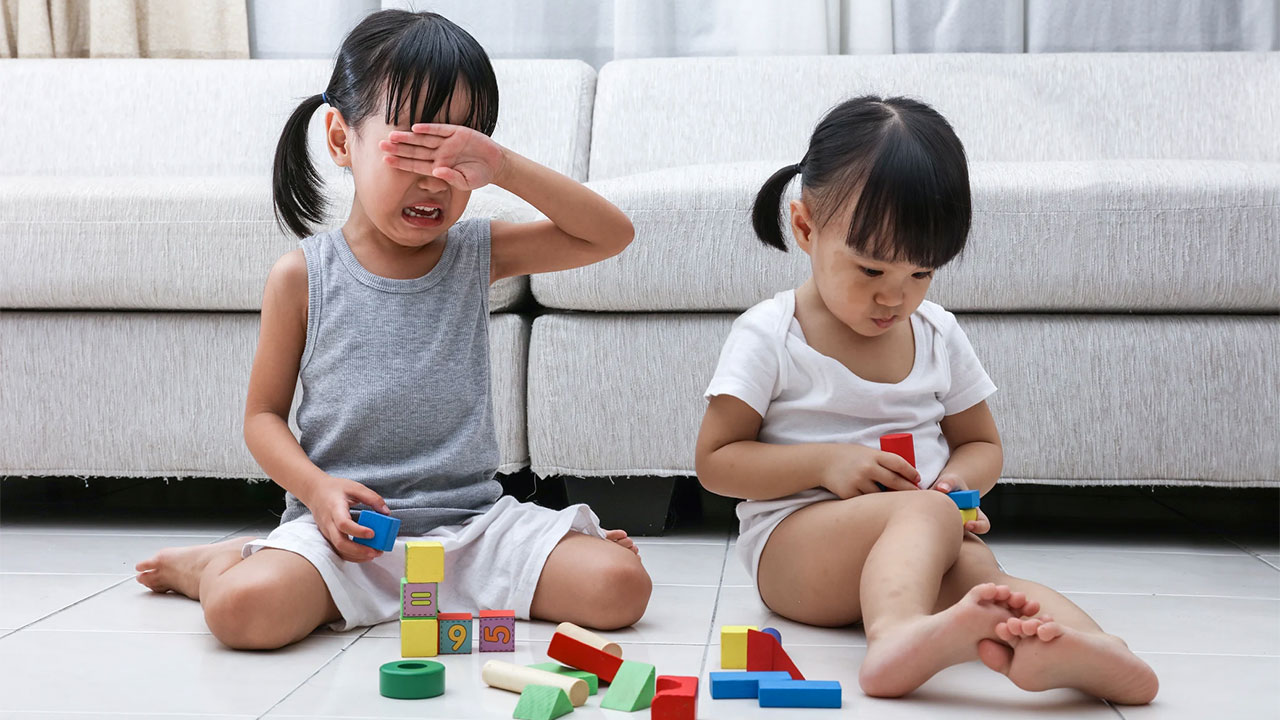
Toy fights are common in homes with children. Understanding why these fights happen helps parents handle them better. Kids fight over toys for many reasons. Knowing these reasons makes it easier to find solutions. Below are some common causes of toy fights among children.
Sharing Challenges
Many children struggle to share their toys. They see toys as theirs alone. Sharing means giving up control, which can be hard. Young kids find it difficult to wait their turn. This often leads to arguments and grabbing. Teaching sharing skills early reduces these conflicts.
Attention Seeking
Sometimes kids fight to get attention from adults. They want parents to notice them. Fighting over toys can bring quick attention. Even negative attention feels better than being ignored. Children use fights as a way to express their needs. Recognizing this helps parents respond calmly.
Age Differences
Children of different ages play differently. Older kids may want more complex toys. Younger kids want simpler, familiar ones. This difference causes fights over which toy to use. Age gaps affect how kids share and communicate. Parents can manage this by providing age-appropriate toys.
Credit: raisingchildren.net.au
Setting Clear Toy Rules
Setting clear toy rules helps children understand what is expected. It reduces arguments and teaches respect. Clear rules create a calm and fair play environment.
Children feel safer knowing the limits. They learn to share and wait their turn. This builds good habits that last a lifetime.
Establishing Sharing Guidelines
Start by explaining why sharing is important. Set simple rules like “Take turns” or “Ask before using.” Make sure all children agree and understand.
Use phrases such as “We share toys so everyone can play.” Praise children when they follow the rules. This encourages good behavior.
Time Limits For Play
Set a timer for each child’s turn with a toy. Limit play to 5 or 10 minutes per turn. This helps children wait and respect others’ time.
Explain the timer before play starts. Use a visible clock or timer so kids see the countdown. This makes the rule clear and easy to follow.
Consequences For Breaking Rules
Decide fair consequences for not following the rules. For example, a short break from toys or losing a turn. Keep consequences simple and consistent.
Tell children the consequences before play begins. Follow through every time rules are broken. This teaches responsibility and fairness.
Encouraging Cooperative Play
Encouraging cooperative play helps kids learn to share and work together. It reduces fights over toys by shifting focus from competition to collaboration. Children develop social skills and enjoy time playing with others. This approach makes playtime fun and peaceful for everyone involved.
Choosing Group Activities
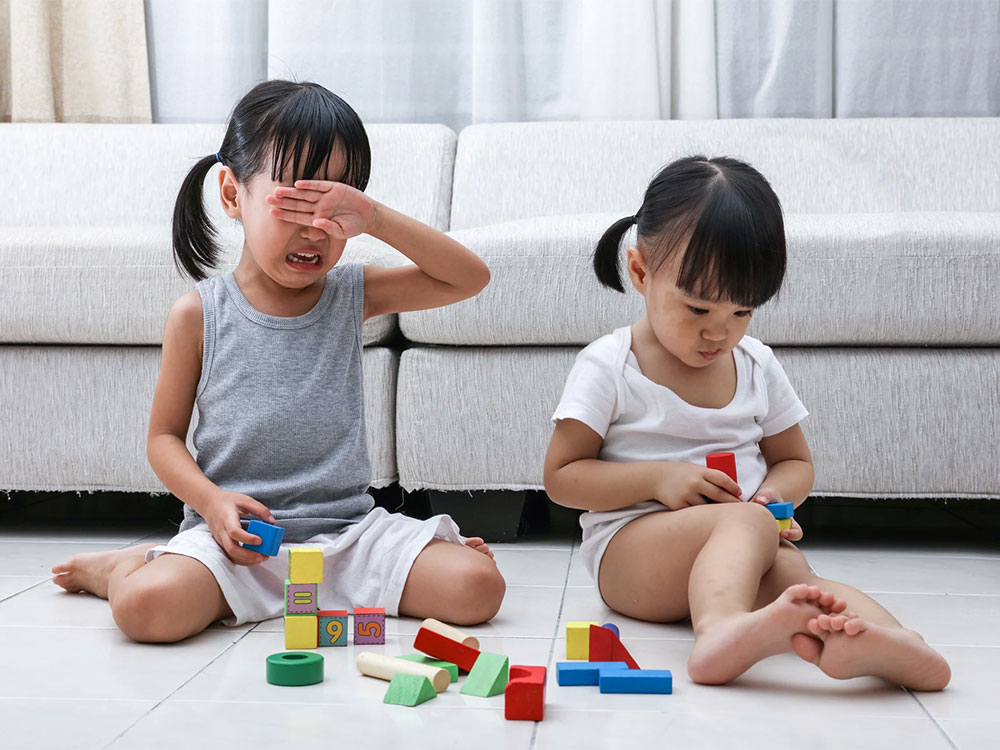
Select activities that need more than one player. Puzzles, building blocks, and art projects work well. Kids learn to talk and solve problems together. Group tasks create a sense of belonging and teamwork. Avoid games that encourage winning or losing.
Promoting Turn Taking
Teach children to wait for their turn politely. Use timers or simple rules to guide the process. Praise kids when they share or wait calmly. Turn taking helps kids respect others and control impulses. It also makes sharing toys fair and fun.
Using Teamwork Games
Pick games where players must cooperate to win. Relay races, treasure hunts, and building challenges fit well. Teamwork games teach communication and joint effort. Children feel proud working as a group. These games build trust and reduce selfish play.
Credit: raisingchildren.net.au
Teaching Emotional Skills
Teaching emotional skills helps children handle conflicts over toys calmly. Kids learn to understand and control their feelings. This skill reduces fights and builds better friendships.
Parents and caregivers play a key role in guiding children through their emotions. This guidance creates a peaceful playtime environment. Emotional skills make sharing easier and more natural for kids.
Recognizing Feelings
Children must name their feelings first. Saying “I am angry” or “I feel sad” helps them express emotions clearly. Recognizing feelings stops emotions from growing too big. It also helps adults understand what the child needs.
Managing Frustration
Frustration often causes kids to fight over toys. Teaching simple ways to calm down is important. Deep breaths, counting to ten, or taking a short break work well. These actions help children think before acting out.
Practicing Patience
Waiting for a turn is hard for many kids. Practice patience by setting clear rules about sharing toys. Use timers or gentle reminders to keep things fair. Children who learn patience enjoy playtime more and argue less.
Organizing Toy Access
Organizing toy access helps reduce fights between kids. Clear rules and easy systems make sharing smooth. Kids feel fair treatment and less stress. Parents gain control and peace at playtime. Simple changes to toy management create big calm.
Rotating Toy Selection
Keep only some toys out at a time. Store others away in boxes or bins. Switch toys every week or two. This keeps play fresh and exciting. Kids appreciate new toys often. Less crowd means fewer fights over toys.
Creating Personal Toy Spaces
Give each child a special spot for toys. Use shelves, bins, or baskets labeled with names. Personal spaces help kids feel ownership. They learn to respect others’ areas too. This reduces arguments over who gets what.
Limiting Number Of Toys Out
Set a clear number of toys allowed outside. Too many toys cause confusion and fights. Fewer toys make it easier to share. Kids focus more on playing and less on arguing. This rule brings calm and order to playtime.
Role Of Parents And Caregivers
Parents and caregivers play a key role in stopping kids from fighting over toys. Their actions guide children on how to share and play nicely. Kids watch adults closely and learn from their behavior. Teaching sharing and kindness starts at home and in daily interactions.
Modeling Positive Behavior
Children copy what they see. Parents should show sharing and patience in front of kids. Use polite words like “please” and “thank you.” Show how to take turns with toys and games. This helps children understand fair play without needing many words.
Intervening When Necessary
Sometimes, fights happen despite teaching. Parents must step in calmly to stop arguments. Separate the children if needed and explain why fighting is not good. Help them find a way to share or take turns. This teaches problem-solving and respect for others.
Reinforcing Good Sharing
Praise children when they share toys nicely. Positive words make kids feel proud and happy. Rewards like a smile or hug encourage sharing again. Repeating this builds good habits over time. Kids learn that sharing brings positive attention and fun.
Using Positive Reinforcement
Using positive reinforcement helps kids learn good behavior naturally. It teaches them to act kindly and share without fights. Praise and rewards make children want to cooperate more.
Positive words and small treats can encourage peaceful play. Kids feel proud when they get noticed for good choices. This builds a happy and calm playtime environment.
Rewarding Cooperation
Notice when kids play well together. Say “thank you” or “great job” to encourage them. Small rewards like stickers or extra playtime work well. Rewards show that sharing and teamwork are valued. This helps kids want to keep cooperating.
Celebrating Sharing Moments
Applaud when children share toys without arguing. Describe what they did right, like “You shared nicely.” It helps them understand what behavior to repeat. Celebrate both big and small sharing acts. This builds a habit of kindness during play.
Encouraging Kindness
Use kind words to teach empathy. Praise actions like waiting turns or helping friends. Kindness makes kids feel good and safe. Encourage hugs, smiles, or gentle touches. These simple acts reduce fights over toys.

Credit: www.shutterstock.com
When To Seek Professional Help
Sometimes, kids fighting over toys is normal. But frequent fights may need extra help. Knowing when to seek professional help can ease stress for parents and children. Experts can offer advice and strategies that work best for your family.
Signs Of Persistent Conflict
Watch for constant arguing over toys. Notice if fights last too long or get physical. Check if children show anger beyond normal limits. Look for repeated refusal to share or cooperate. These signs may need professional attention.
Consulting Child Specialists
Child psychologists and counselors understand kids’ behavior. They can find reasons behind frequent fights. Specialists give parents tools to manage conflicts better. Early consultation prevents problems from growing worse. Professionals also support children’s emotional needs.
Behavioral Support Options
Therapy sessions help kids learn sharing and patience. Group activities teach cooperation with peers. Parents receive coaching to handle conflicts calmly. Support programs improve communication and reduce fights. Behavioral help builds a peaceful home environment.
Frequently Asked Questions
How Can Parents Prevent Kids Fighting Over Toys?
Parents can prevent fights by setting clear sharing rules. Encourage turn-taking and praise cooperative play. Offer alternative toys to reduce conflicts. Teaching empathy helps kids respect others’ feelings during playtime.
What Are Effective Ways To Teach Sharing Among Children?
Use positive reinforcement when kids share. Model sharing behavior yourself. Explain why sharing matters and how it benefits friendships. Practice sharing during playdates and family activities consistently.
When Should Parents Intervene In Toy Disputes?
Intervene if kids become aggressive or upset. Step in to calm emotions and guide fair solutions. Allow minor disagreements to resolve naturally, fostering problem-solving skills. Intervene respectfully to maintain trust and teach conflict resolution.
How Can Creating Toy Rotation Reduce Fights?
Toy rotation limits access to a few toys at a time. This keeps toys fresh and exciting, reducing competition. Rotating toys also encourages children to appreciate sharing and waiting their turn.
Conclusion
Stopping kids from fighting over toys takes patience and clear rules. Teach sharing and taking turns early. Set consistent limits and praise good behavior. Offer choices to help children feel in control. Stay calm during conflicts to guide them better.
Small steps build respect and kindness among siblings. Peaceful playtime becomes possible with your guidance. Keep trying, and your kids will learn to share.
