
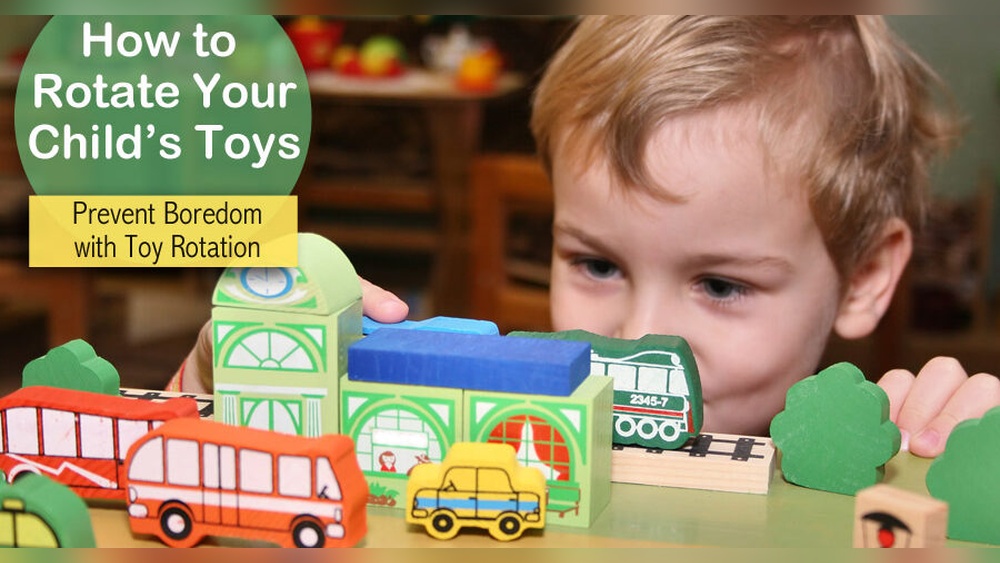
Are your kids losing interest in their toys faster than you can buy new ones? You’re not alone.
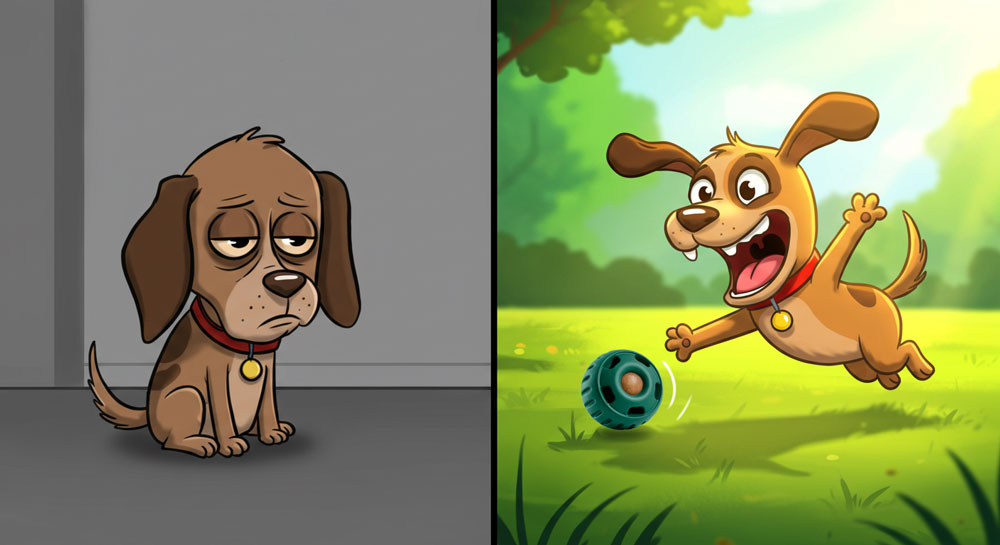
When children see the same toys every day, boredom quickly sets in. But what if there was a simple way to make their playtime exciting again—without spending a fortune? Rotating toys is a clever trick that can keep your kids engaged, spark their creativity, and even reduce the mess.
Keep reading, and you’ll discover easy steps to refresh your child’s playroom and bring back the joy in their playtime.
Credit: mywoof.com
Benefits Of Toy Rotation
Rotating toys brings many benefits for kids and parents. It keeps playtime fresh and exciting. Kids stay interested in their toys longer. Parents enjoy a tidier, more organized home. Toy rotation is a simple way to improve how children play and learn.
Here are some key benefits of rotating kids’ toys regularly.
Boosting Creativity
New toys inspire new ideas. Children use their imagination more with different toys. They combine old and new toys in unique ways. This helps develop problem-solving skills and creative thinking. Rotating toys prevents boredom and sparks fresh play scenarios.
Enhancing Focus
Too many toys can distract children. Fewer toys help kids focus on one activity. They learn to concentrate for longer periods. This builds patience and attention skills. Rotating toys keeps their interest sharp and steady.
Reducing Clutter
Toys left all out create mess and stress. Rotating toys means fewer toys are out at once. This keeps play areas neat and safe. Parents spend less time cleaning up. Kids learn to take care of their toys better.
Signs Your Child Needs New Toys
Children’s interest in toys can change quickly. Toys that once brought joy may no longer excite them. Recognizing signs your child needs new toys helps keep playtime fun and fresh. It also supports their growth and creativity. Watch for these key signals to know when to rotate or add toys.
Lack Of Interest
Your child ignores toys they once loved. They might walk past a toy without touching it. This shows the toy no longer captures their attention. Lack of interest means the toy feels old or boring to them. New or rotated toys can spark excitement again.
Repetitive Play
Your child plays with the same toy or game repeatedly. They use it in the same way every time. This limits their imagination and learning. Repetitive play can mean they need fresh challenges. Introducing new toys encourages different types of play and creativity.
Frustration Or Boredom
Your child shows signs of frustration during play. They may give up quickly or seem bored. Toys that are too easy or too hard cause this feeling. New toys with the right challenge level keep play enjoyable. Rotating toys helps match their growing skills and interests.
Simple Steps To Rotate Toys
Rotating kids’ toys keeps playtime fresh and fun. It stops children from getting bored with the same toys. The process is easy and helps parents manage toys better. Follow these simple steps to rotate toys at home.
Sorting And Categorizing
Start by gathering all the toys in one place. Sort toys into groups like puzzles, dolls, cars, or blocks. Check each toy for damage or missing parts. Remove broken toys to keep playtime safe. Sorting helps you see which toys your child uses most.
Creating Rotation Schedules
Decide how often to switch toys. Weekly or biweekly rotations work well. Choose a few toys to keep out at a time. Set a calendar or reminder to change toys regularly. Rotation schedules keep toys feeling new and exciting.
Storing Unused Toys
Find storage boxes or bins to keep unused toys. Label each box for easy identification. Store boxes in a closet or under the bed. Keeping toys out of sight helps children focus on the toys in use. Proper storage protects toys and keeps rooms tidy.

Credit: www.grimms.eu
Choosing Toys For Rotation
Choosing the right toys for rotation helps keep kids interested and learning. Rotating toys means giving children a fresh set to play with now and then. This simple trick stops boredom and encourages new skills. Picking toys carefully makes rotation more effective. Focus on age, variety, and how the toy can be used. These factors ensure kids enjoy playtime and stay curious.
Age-appropriate Picks
Select toys that fit your child’s age and skill level. Toys too hard cause frustration. Toys too easy lose interest fast. Age-appropriate toys build confidence and promote growth. They help children learn new abilities step by step. Check labels or ask experts to find the right fit. This keeps play safe and fun.
Variety And Challenge
Offer toys that cover different types of play. Mix creative, physical, and problem-solving toys. Variety sparks imagination and keeps children engaged. Include toys with various difficulty levels. Slightly challenging toys push kids to try harder. This helps them develop new skills over time.
Multi-use Toys
Choose toys that can be used in many ways. Blocks, art supplies, and puzzles work well. Multi-use toys inspire creativity and longer interest. Children find new uses and stories with these toys. They promote open-ended play and problem-solving. This supports learning and fun during rotation.
Involving Kids In The Process
Involving kids in the toy rotation process makes it more exciting and meaningful for them. It helps children feel in control and more interested in their toys. Participation also teaches them valuable skills like decision-making and responsibility. Keep their age and interests in mind to make the experience positive.
Letting Them Choose
Allow kids to pick which toys to keep out and which to store. This choice gives them a sense of ownership. They become more eager to play with the toys they selected. It also reduces arguments over what to play with next.
Encouraging Responsibility
Involve children in organizing and putting away toys. Teach them that caring for toys is part of playtime. Responsibility helps kids respect their belongings and keep their space tidy. It builds habits that benefit them later in life.
Making It Fun
Turn toy rotation into a game or challenge. Use timers or treasure hunts to find toys to swap. Celebrate when they help with small rewards or praise. Fun makes the process enjoyable and keeps kids interested in rotating toys.
Tips For Maintaining Toy Rotation
Maintaining a toy rotation system keeps kids interested and excited about their playthings. It prevents boredom and clutter. To keep the rotation effective, follow some simple tips. These help make toy time fresh and fun every day.
Regular Review
Check the toy collection often. Remove toys that are broken or no longer age-appropriate. Add back toys that were hidden for a while. This keeps the selection safe and interesting. Regular reviews help avoid overwhelm for kids.
Adjusting Based On Interests
Notice which toys your child enjoys the most. Change the rotation to include more of these. Take out toys that your child ignores. This makes playtime more engaging. Interests can change fast, so keep adapting.
Balancing New And Old Toys
Mix old favorites with new toys in the rotation. Old toys bring comfort and familiarity. New toys spark curiosity and learning. This balance keeps playtime exciting without overwhelming children.
Creative Alternatives To Toy Rotation
Creative alternatives to toy rotation keep kids interested and excited. These methods add variety without buying new toys. They help develop skills and encourage imagination. Parents can try fun, simple ideas that change how children play.
Diy Toy Projects
Making toys at home is a fun way to add new play options. Simple crafts like paper dolls or cardboard puzzles work well. Kids enjoy creating and then playing with their own toys. This also boosts creativity and fine motor skills.
Borrowing And Swapping
Swapping toys with friends or family offers fresh playthings. It saves money and reduces clutter at home. Children feel excited to explore different toys. This also teaches sharing and social skills in a natural way.
Outdoor Play Options
Taking toys outside changes the play environment completely. Balls, jump ropes, and chalk inspire active play outdoors. Nature itself becomes a toy, with sticks and rocks sparking imagination. Outdoor play helps children stay healthy and happy.

Credit: www.lifewithlessmess.com
Frequently Asked Questions
How Often Should I Rotate Kids’ Toys?
Rotate toys every 1-2 weeks to keep children interested. This schedule prevents boredom and encourages creativity with familiar items.
What Are The Benefits Of Rotating Kids’ Toys?
Rotating toys boosts imagination, extends playtime, and reduces clutter. It keeps toys fresh and helps children focus better on each item.
How Do I Choose Which Toys To Rotate?
Select toys based on age, interests, and variety. Include different types like puzzles, blocks, and creative toys for balanced play.
Can Toy Rotation Improve My Child’s Behavior?
Yes, rotating toys can reduce tantrums caused by boredom. It promotes positive engagement and stimulates cognitive development through new challenges.
Conclusion
Rotating kids’ toys keeps playtime fresh and fun. It helps children stay interested and curious. You can use simple boxes or baskets to store toys. Changing toys every few weeks sparks creativity and learning. This method also saves money by using what you already have.
Kids enjoy surprises when new toys appear again. Parents find it easier to manage clutter too. Try rotating toys regularly to make playtime exciting again. It’s a simple way to reduce boredom and keep kids happy.
