
Toys bring joy and laughter into your home, but they can also pose hidden risks your family might not expect. Imagine the relief of knowing your child can play freely without you constantly worrying about accidents.
You want to keep your little ones safe, but where do you start? This guide will show you simple, practical steps to prevent toy-related injuries right where you live. By the end, you’ll feel confident that your home is a safer place for fun and play.
Keep reading to discover how easy it is to protect your loved ones while still letting them enjoy their favorite toys.
Common Toy Hazards
Toys bring joy to children, but some toys can cause injuries. Knowing common toy hazards helps keep kids safe. Parents and caregivers should watch for risks that toys might have at home.
Choking And Small Parts
Small parts can easily block a child’s throat. Toys with pieces smaller than a child’s mouth are dangerous. Babies and toddlers are at highest risk. Always check the size of toy parts before giving them.
Sharp Edges And Points
Toys with sharp edges can cut or poke skin. Broken toys often have sharp points that hurt children. Look for cracks or broken parts on toys. Avoid toys made with hard, sharp materials for young kids.
Toxic Materials
Some toys contain harmful chemicals or paint. Children might chew or suck on toys, absorbing toxins. Check labels to confirm toys are non-toxic. Choose toys made with safe, child-friendly materials to prevent poisoning.
Electrical Components
Toys with batteries or wires can cause shocks or burns. Loose batteries can be swallowed, causing harm. Inspect toys for damaged wires or loose parts. Only use toys with sealed battery compartments and proper safety marks.
Credit: www.prnpt.com
Safe Toy Selection
Choosing the right toys helps keep children safe at home. Safe toy selection lowers the risk of accidents. It also ensures fun without worry. Parents should focus on key factors before buying toys.
Understanding safety guidelines and toy features is vital. This helps avoid hazards like choking or sharp edges. Careful choices support healthy play and learning.
Age-appropriate Choices
Select toys that match the child’s age and skills. Young kids need simple toys without small parts. Older children can use more complex toys safely. Age labels on packaging guide you. These labels prevent accidents by fitting toys to abilities.
Certified Safety Standards
Check for safety certifications on toy labels. Look for marks from recognized safety groups. Certified toys meet strict rules for materials and design. This reduces risks like toxic chemicals or breakage. Choosing certified toys protects children’s health and safety.
Avoiding Recalls
Stay updated on toy recalls before buying. Recalls happen when toys pose hidden dangers. Use official websites or news to check recalls. Avoid toys that have been recalled or reported unsafe. This step prevents injury from faulty or dangerous toys.
Proper Toy Maintenance
Proper toy maintenance helps keep children safe at home. Well-maintained toys last longer and reduce injury risks. Parents and caregivers must check toys regularly. Cleaning and fixing toys also play a big role. These simple steps create a safer play space.
Regular Inspections
Look over toys often for signs of wear or damage. Broken parts can cause cuts or choking hazards. Check for loose pieces, sharp edges, or cracks. Remove damaged toys immediately. This stops accidents before they happen.
Cleaning And Sanitizing
Clean toys to remove dirt and germs. Use mild soap and water for most toys. Wipe plastic toys with disinfectant wipes. Soft toys can be machine washed if allowed. Clean toys reduce infection risks and keep children healthy.
Repairing Damaged Toys
Fix small breaks or loose parts quickly. Use safe glue or tape made for toys. Replace missing pieces or batteries carefully. If a toy is too damaged, throw it away. Proper repairs prevent injuries and keep toys safe to use.
Credit: www.slhn.org
Safe Play Environment
Creating a safe play environment at home helps protect children from toy-related injuries. It reduces risks and makes playtime fun and worry-free. Careful planning and simple habits can make a big difference.
Organized Storage Solutions
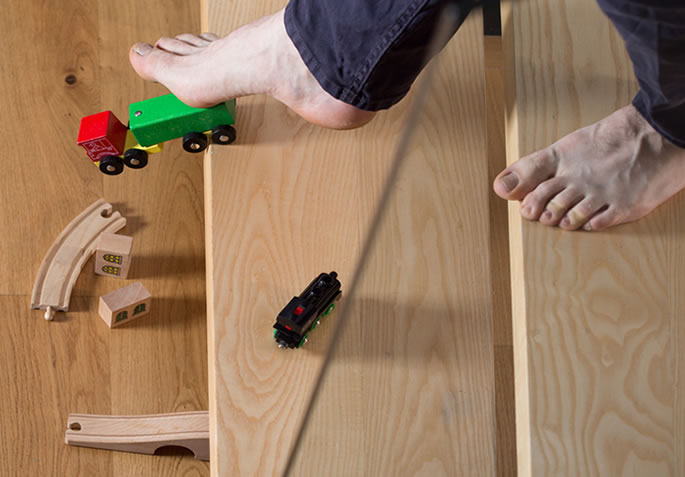
Keep toys in bins, shelves, or boxes. Label each container to make finding toys easy. Store small parts separately to avoid choking hazards. Clear floors prevent trips and falls. Organizing toys daily saves time and keeps the area tidy.
Supervision Guidelines
Always watch young children during play. Stay close and ready to help if needed. Teach older kids to play safely and share toys properly. Check toys for damage before giving them to children. Active supervision lowers the chance of accidents.
Safe Play Areas
Choose spots away from stairs, sharp edges, or hard floors. Use soft mats or rugs to cushion falls. Ensure good lighting so children see clearly. Keep play areas clean and free of clutter. A safe space lets kids explore without danger.
Educating Children On Toy Safety
Teaching children about toy safety helps prevent injuries at home. It builds good habits early. Kids learn how to play safely and avoid harm. Parents and caregivers play a key role in this education.
Clear and simple lessons on toy safety keep children aware and cautious. This awareness reduces accidents and keeps playtime fun and safe.
Teaching Safe Usage
Show children how to use toys properly. Explain which parts are safe to touch and which are not. Demonstrate the correct way to play with each toy. Use clear, simple words children understand. Repeat instructions often to reinforce safe habits.
Recognizing Unsafe Toys
Teach children to spot unsafe toys. Warn about broken parts or toys with sharp edges. Explain that small pieces can be choking hazards. Encourage kids to tell adults if they see damaged toys. This helps stop accidents before they happen.
Encouraging Responsibility
Help children take care of their toys. Teach them to put toys away after playing. Show how to check toys for damage regularly. Praise responsible actions to encourage good behavior. Responsibility makes playtime safer for everyone.
Emergency Preparedness
Emergency preparedness is key to keeping children safe during playtime. Accidents can happen, even with careful supervision. Being ready helps you act quickly and calmly. This reduces the impact of toy-related injuries at home. Knowing basic first aid and how to respond makes a big difference.
First Aid Basics
Learn simple first aid steps for common injuries. Clean cuts with water and apply a clean bandage. Use ice packs for bumps and bruises to reduce swelling. Keep a first aid kit handy in the play area. Teach older children basic safety and first aid skills.
When To Seek Medical Help
Call a doctor if bleeding does not stop quickly. Watch for signs like swelling, pain, or difficulty moving. Seek help if a child hits their head hard. Also get help for deep cuts or broken bones. Better to be safe and get professional advice.
Preventing Recurring Injuries
Check toys regularly for damage or loose parts. Remove broken or unsafe toys immediately. Teach children to play gently and follow safety rules. Store toys properly to avoid trips and falls. Keep the play area clean and free of hazards.

Credit: ndpa.org
Frequently Asked Questions
How Can I Identify Unsafe Toys At Home?
Check for small parts that can choke, sharp edges, and toxic materials. Always read age recommendations and safety labels before buying toys.
What Are The Best Ways To Supervise Children During Play?
Stay close to young children and watch their play closely. Teach older kids safe toy usage and set clear play area boundaries.
How Often Should I Inspect Toys For Damage?
Inspect toys regularly for broken parts, loose pieces, or wear. Repair or discard damaged toys immediately to prevent injuries.
What Safe Storage Methods Prevent Toy-related Injuries?
Use bins with lids, shelves, and baskets to store toys safely. Keep toys off floors to avoid tripping hazards and clutter.
Conclusion
Keeping children safe starts with careful toy choices and adult supervision. Check toys regularly for damage or small parts. Teach kids how to play safely and store toys properly. A safe play area reduces risks and avoids accidents. Small steps prevent big problems.
Protect your children by staying alert and prepared at all times. Safety is a simple habit that creates a happy home.
