
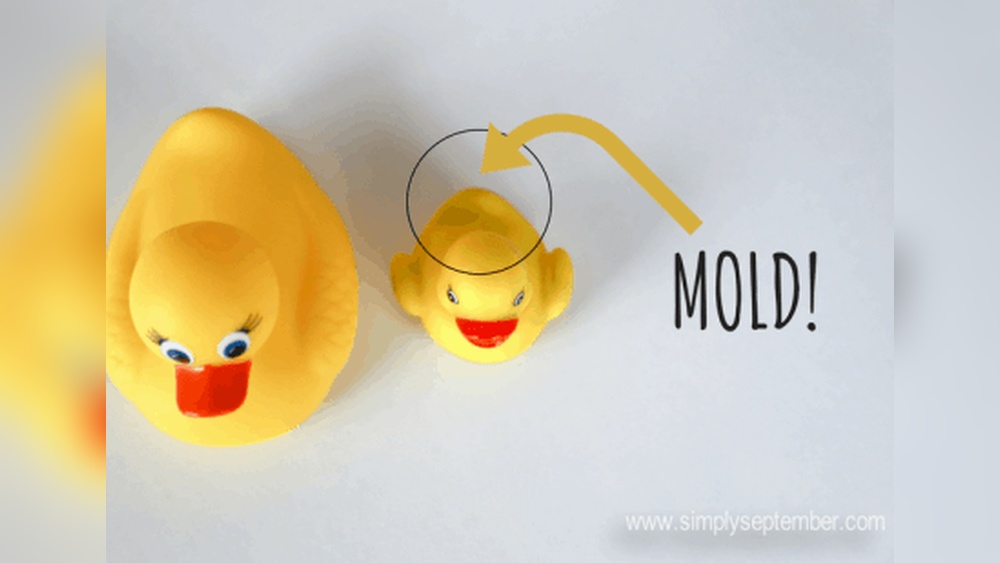
Mold in bath toys is a hidden problem that many parents face. It’s sneaky, grows fast, and can be harmful to your child’s health.
If you’ve ever noticed a funny smell or slimy spots on your little one’s toys, you know how frustrating it can be. But what if you could stop mold before it even starts? You’ll discover simple and effective ways to keep your bath toys clean, safe, and mold-free.
Keep reading to protect your family and make bath time worry-free.
Causes Of Mold In Bath Toys
Mold in bath toys grows because of certain common causes. Understanding these causes helps keep toys clean and safe. Bath toys often get wet and stay damp. This creates a perfect place for mold to grow. Several factors contribute to mold problems in bath toys.
Moisture Traps
Bath toys often have small holes or seams. Water gets trapped inside these tiny spaces. This trapped water does not dry quickly. Damp areas inside toys create a cozy spot for mold. The longer moisture stays inside, the more mold grows.
Warm Environments
Warmth helps mold spores grow faster. Bathrooms are usually warm and humid. This warmth makes bath toys an ideal home for mold. Mold thrives at room temperature, especially in warm water.
Soap Residue
Soap left on toys can feed mold. Soap creates a sticky surface where mold can stick easily. Residue builds up over time if not cleaned well. This residue helps mold grow and spread inside toys.
Credit: cuddledry.com
Choosing Mold-resistant Bath Toys
Choosing the right bath toys can stop mold before it starts. Some toys are made to resist mold better than others. Picking these can keep bath time safe and clean for kids. Focus on materials and design to find the best options.
Material Matters
Look for toys made from non-porous materials. Silicone and hard plastic do not hold water inside. These materials dry quickly and prevent mold growth. Avoid soft rubber or foam that traps moisture. Mold loves damp, hidden places inside toys.
Seamless Designs
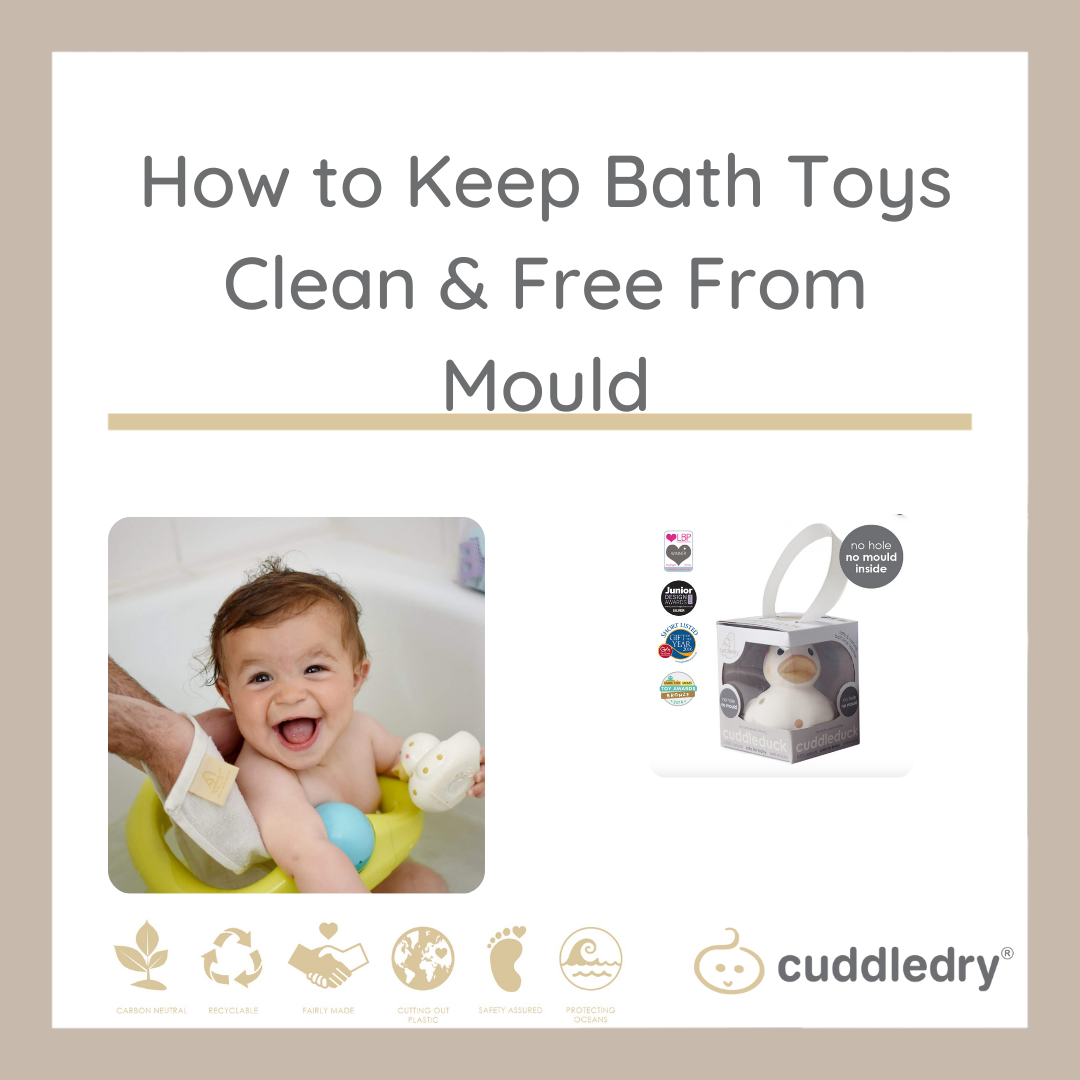
Choose toys with smooth, seamless shapes. No cracks or holes where water can hide. Seams and joints trap water and cause mold. Toys without openings dry faster and stay cleaner. Simple shapes make cleaning easier, too.
Daily Cleaning Practices
Daily cleaning is key to stopping mold in bath toys. Small habits protect your child’s health and keep toys fresh. These simple steps take only a few minutes and make a big difference.
Rinsing After Use
Rinse bath toys with warm water right after bath time. This removes soap and dirt that can feed mold. Make sure to flush inside holes and openings. Clean toys dry faster and stay safe for kids.
Squeezing Out Water
Squeeze out all water from the toys after rinsing. Water left inside creates a perfect place for mold. Press every part of the toy firmly to remove moisture. Repeat squeezing a few times for best results.
Air Drying Techniques
Let bath toys dry completely in open air. Place them in a sunny spot or near a fan. Avoid putting toys in closed spaces or damp areas. Dry toys stop mold from growing and smell fresh longer.
Credit: blog.cincinnatichildrens.org
Deep Cleaning Methods
Deep cleaning bath toys is key to stopping mold growth. Regular cleaning removes dirt and germs trapped inside toys. It keeps bath time safe and fun for kids. Use safe and simple methods to clean toys thoroughly.
Vinegar Soak
Vinegar kills mold and bacteria naturally. Mix equal parts white vinegar and water in a bowl. Soak the bath toys for 30 minutes. After soaking, rinse toys well with clean water. Let them dry completely before use. Vinegar is safe and non-toxic for kids’ toys.
Bleach Solution
Bleach kills mold quickly and deeply. Use one tablespoon of bleach in one cup of water. Soak toys for 5 to 10 minutes only. Rinse toys very well with water after soaking. Dry toys fully in the sun or air. Use bleach only on hard, non-porous toys.
Dishwasher Safe Toys
Some bath toys are dishwasher safe. Place toys on the top rack of the dishwasher. Use a normal wash cycle with hot water. The heat and detergent remove mold and bacteria. Dry toys completely before storing or playing. Check the toy label to confirm dishwasher safety.
Storage Tips To Avoid Mold
Proper storage is key to stopping mold growth on bath toys. Mold loves damp, dark spaces. Keeping toys dry and aired out helps stop mold before it starts.
Simple changes in how you store bath toys make a big difference. Use these tips to keep toys fresh and safe for kids.
Dry Storage Areas
Choose a dry place to store bath toys. Avoid spots near sinks or tubs where water drips. A shelf away from moisture works well. Let toys air dry completely before storing. This stops mold spores from growing.
Avoiding Closed Containers
Do not store bath toys in sealed plastic boxes. Closed containers trap moisture inside. This creates a perfect mold environment. Use open baskets or containers with holes. These allow air to flow and dry the toys faster. Air circulation is essential to prevent mold growth.
Credit: www.mollymaid.com
Signs Of Mold Growth
Mold can grow quickly on bath toys if they stay wet. Knowing the signs helps you spot mold early. This keeps your child’s toys clean and safe. Mold can cause health problems, so watch for clear signals.
Visual Indicators
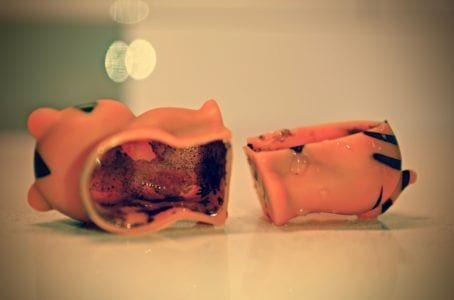
Check bath toys for dark spots or patches. Mold often looks black, green, or white. It can appear fuzzy or slimy on the surface. Look inside holes and seams where water stays. Any discoloration or buildup could be mold.
Odor Detection
Mold gives off a musty, damp smell. If bath toys smell bad after drying, mold may be present. A sour or earthy odor is a strong sign. Clean toys that have an unusual smell right away. This helps stop mold from growing more.
When To Replace Bath Toys
Bath toys bring joy to children’s bath time. Keeping them clean is important. Sometimes, cleaning is not enough. Replacing bath toys protects your child’s health. Knowing when to replace bath toys helps avoid mold problems.
Irremovable Mold
Mold can hide inside bath toys. Some mold cannot be cleaned away. If mold stays after washing, throw the toy out. Mold inside toys can cause allergies or sickness. Do not risk your child’s health by keeping moldy toys.
Wear And Tear
Bath toys get worn out over time. Cracks and holes appear with use. These spots collect water and mold. Toys with damage are hard to clean well. Replace toys when they show signs of wear. New toys keep bath time safe and fun.
Frequently Asked Questions
How Do I Clean Bath Toys To Prevent Mold?
Clean bath toys regularly with warm soapy water. Use a toothbrush to scrub inside crevices. Rinse thoroughly and dry completely before storage to avoid mold growth.
Why Does Mold Grow Inside Bath Toys?
Mold grows inside bath toys due to trapped moisture and warm conditions. These create a perfect environment for mold spores to multiply inside hollow toys.
Can Vinegar Help Remove Mold From Bath Toys?
Yes, vinegar is effective against mold. Soak toys in a vinegar-water solution for 30 minutes. Rinse and dry well to kill mold and prevent regrowth.
How Often Should I Sanitize Bath Toys?
Sanitize bath toys at least once a week. Frequent cleaning reduces mold risk and keeps toys safe and hygienic for children during bath time.
Conclusion
Preventing mold in bath toys keeps children safe and healthy. Clean toys regularly and let them dry completely. Store toys in a dry place after use. Avoid leaving water inside toys for long periods. Small steps make a big difference in mold prevention.
Enjoy bath time without worry by following these tips. Keep toys fresh, clean, and mold-free for happy play. Simple care routines protect your family’s health and comfort. Mold prevention is easy with consistent habits.
