
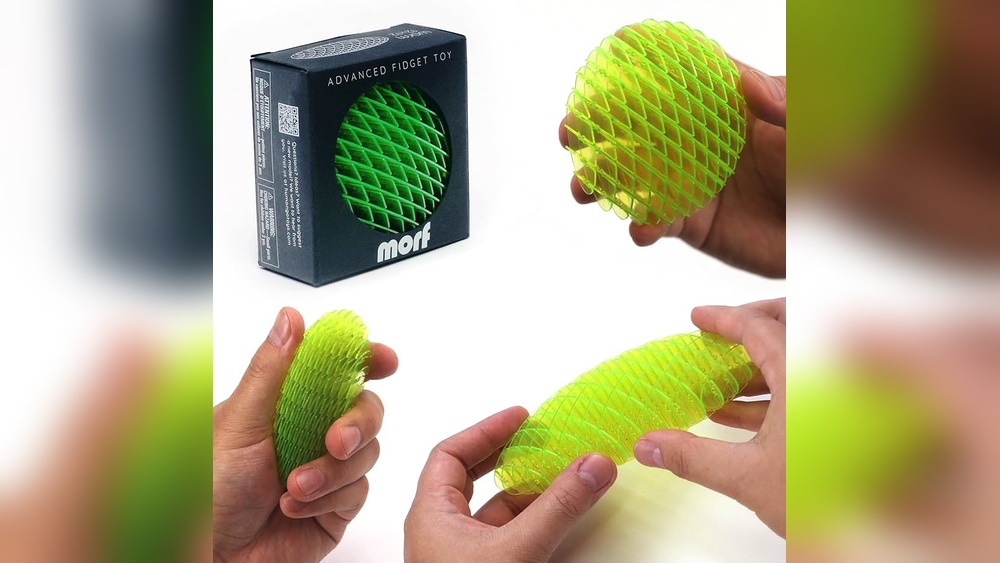
Do you ever notice your child getting easily distracted during playtime? Helping your kids focus while they play with toys can be a game-changer for their learning and creativity.
When your child stays engaged, they develop important skills like problem-solving and patience without even realizing it. You’ll discover simple, effective ways to boost your child’s attention during toy play. Keep reading, and you’ll find easy tips that make playtime more fun and meaningful for both of you.
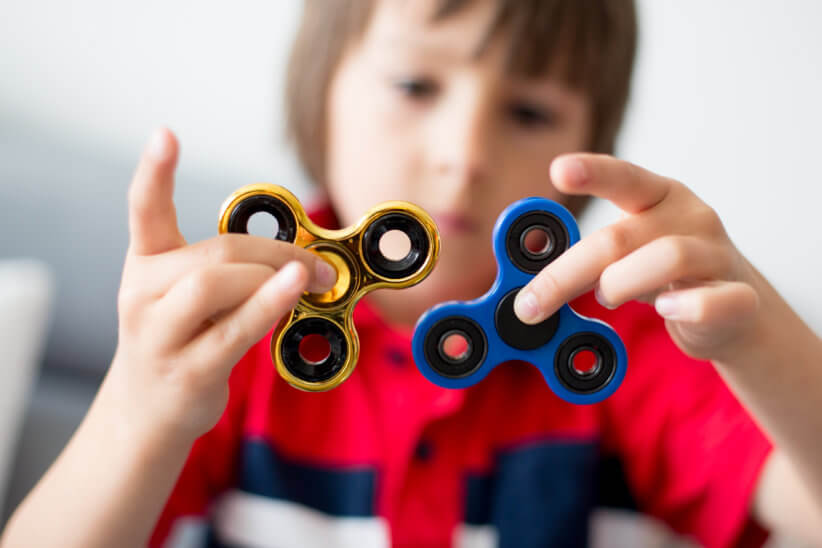
Credit: www.newyorkfamily.com
Create A Calm Play Space
Creating a calm play space helps kids focus better during toy play. A peaceful area lets children enjoy toys without feeling rushed or distracted. It supports their imagination and concentration. Setting up this space takes a few simple steps. These steps will keep the playtime fun and meaningful.
Choose A Quiet Area
Pick a spot in your home that is calm and quiet. Avoid busy rooms like the kitchen or living room. A corner in the bedroom or a small nook works well. This helps kids tune out noise and focus on their toys. A quiet area makes playtime more peaceful and less stressful.
Minimize Distractions
Keep the play space free from loud sounds and screens. Turn off the TV and put away phones or tablets. Remove bright lights or anything that might catch the child’s eye. A distraction-free space helps kids stay on task longer. It also encourages deeper play and learning.
Organize Toys Neatly
Arrange toys in boxes or shelves where kids can see them clearly. Use labels or pictures to help children find toys easily. Keep only a few toys out at a time to avoid overwhelm. A neat space helps kids focus on one toy or activity. It also teaches them to care for their belongings.

Credit: www.amazon.com
Set Clear Play Goals
Setting clear play goals helps kids stay focused and enjoy their toy time. It gives them a simple target to aim for. This makes playtime more fun and less distracting. Kids learn to plan and finish tasks. Clear goals guide their attention and energy in one direction.
Explain Simple Objectives
Start by telling kids what to do with the toys. Use short and clear sentences. For example, say “Build a tower with these blocks” or “Sort the cars by color.” Simple goals are easy to understand. They help kids know exactly what to focus on. Avoid complicated instructions that might confuse them.
Use Timers For Focus
Using a timer sets a clear time limit for play. Kids work better when they know how long to play. Set the timer for a few minutes. This creates a sense of urgency and helps avoid distractions. When the timer rings, kids stop and review what they did. It teaches them to manage time and stay on task.
Celebrate Small Achievements
Recognize each small success during play. Praise kids when they complete a goal. Saying “Great job building that tower” motivates them. It builds confidence and keeps them interested. Celebrating small wins helps kids feel proud. This encourages them to focus and try again with new goals.
Incorporate Structured Play
Structured play helps children focus better during toy time. It gives clear goals and simple rules. This approach guides kids to use toys in a focused way. It also keeps them interested and reduces distractions.
Structured play supports learning and creativity together. It helps kids build skills step by step. Parents and teachers can use this method easily at home or school.
Introduce Themed Activities
Choose a theme for play, like animals or space. Themes give kids a clear idea of what to do. They make playtime exciting and meaningful. Themes also help children use their imagination. Kids stay focused because they have a story to follow.
Use Step-by-step Instructions
Give simple instructions for how to play with toys. Break tasks into small, clear steps. This helps kids understand what to do next. Step-by-step guides reduce confusion and keep children on track. They learn to follow directions and complete tasks.
Rotate Toys Regularly
Change the toys available every few days or weeks. Toy rotation keeps playtime fresh and interesting. It prevents children from getting bored quickly. Rotating toys encourages kids to explore different skills. This method helps maintain their focus during play.
Encourage Mindful Play
Encouraging mindful play helps children focus better during toy time. Mindful play means paying close attention to what they do. It helps kids enjoy toys more and learn deeply. Mindful play also builds patience and creativity.
Ask Open-ended Questions
Ask questions that need more than yes or no answers. Questions like “What is your toy doing?” or “How does this work?” make kids think. This keeps their minds active and focused on play. Open-ended questions also help kids explain their ideas.
Promote Imaginative Storytelling
Encourage kids to create stories with their toys. They can make up adventures or new characters. This type of play grows their imagination and language skills. Storytelling makes playtime more exciting and keeps attention longer.
Guide Attention To Details
Help children notice small parts of their toys. Ask about colors, shapes, or sounds. Noticing details sharpens their focus and observation skills. It also makes the play richer and more meaningful.
Balance Play And Breaks
Balancing play and breaks helps kids stay focused and enjoy their toys longer. Kids need time to rest their minds and bodies. This balance makes playtime more fun and less tiring. Careful planning of breaks supports better attention during play.
Recognize Signs Of Fatigue
Watch for signs like yawning, fidgeting, or losing interest. Kids may also become cranky or distracted. Noticing these signs early helps prevent frustration. Stop play before kids feel overwhelmed or tired.
Schedule Short Breaks
Plan breaks every 20 to 30 minutes during play. Short breaks refresh the mind and body quickly. Use timers or clocks to keep breaks consistent. Breaks help kids return to play with more focus.
Use Physical Activity To Reset
Encourage simple exercises during breaks like stretching or jumping. Moving around helps release built-up energy and tension. Physical activity wakes up the brain and improves mood. After moving, kids feel ready to focus again on their toys.

Credit: allaroundaba.com
Use Positive Reinforcement
Using positive reinforcement helps kids stay focused during toy play. It encourages good behavior and builds their confidence. Kids respond well to praise and rewards. This makes them want to keep paying attention and playing nicely.
Praise Focused Behavior
Praise your child when they concentrate on their toys. Say things like, “Great job playing carefully!” or “You are doing well focusing.” This shows them you notice their effort. It motivates them to keep trying. Simple words of praise can make a big difference.
Offer Small Rewards
Give small rewards to reinforce focus. It could be a sticker, extra playtime, or a favorite snack. Rewards help children connect focus with positive feelings. Keep rewards simple and immediate. This helps kids understand what behavior you want to see.
Maintain Consistent Encouragement
Be consistent in encouraging your child’s focus. Repeat praise and rewards often. Consistency helps kids learn what is expected. It also builds a routine around paying attention. Steady support helps children feel secure and motivated.
Limit Screen Time Before Play
Limiting screen time before toy play helps kids focus better. Screens can tire their eyes and mind quickly. This makes it harder to enjoy and concentrate on toys. Reducing screen use clears their attention for creative play. It also helps them stay calm and engaged.
Set Screen-free Periods
Create specific times without screens before play. For example, no phones or tablets 30 minutes before toy time. This break helps children switch from screen mode to active play mode. Consistent screen-free periods build a healthy habit. Kids learn to enjoy toys without screens distracting them.
Encourage Active Play Instead
Offer fun activities that don’t need screens. Suggest puzzles, building blocks, or outdoor games. Active play wakes up their body and mind. It improves focus and creativity better than passive screen watching. Kids feel more excited and ready to explore toys.
Explain Benefits Of Reduced Screens
Talk simply about why less screen time is good. Tell children it helps their eyes rest and brain grow. Explain that playing with toys helps them learn new skills. Kids understand better when reasons are clear and positive. This encourages them to choose toys over screens.
Adjust Expectations By Age
Adjusting expectations by age helps children stay focused during toy play. Kids at different ages have different attention spans and skills. Knowing what to expect helps adults support kids better. This approach makes playtime fun and productive for every child.
Adapt Play Sessions Length
Young children have short attention spans. Keep play sessions brief, around 10 to 15 minutes. Older kids can play longer, up to 30 minutes or more. Watch the child’s mood to know when to pause or stop. Short breaks help kids stay interested and avoid frustration.
Choose Age-appropriate Toys
Select toys that match the child’s age and skills. Toys too hard or too easy can cause boredom or frustration. Simple puzzles and blocks suit toddlers. Older children enjoy complex building sets or creative kits. Age-appropriate toys keep kids engaged and challenge their minds.
Support Developmental Milestones
Play supports learning new skills. Choose toys that match each child’s milestones. For babies, toys that encourage grasping and movement work well. Preschoolers benefit from toys that develop problem-solving and imagination. Helping kids reach milestones through play builds confidence and focus.
Frequently Asked Questions
How Can I Improve My Child’s Focus During Toy Play?
Create a distraction-free environment and set clear playtime goals. Use engaging toys that match your child’s interests. Encourage short, focused play sessions and gradually increase their duration to build attention span effectively.
What Toys Help Kids Concentrate Better During Play?
Puzzle toys, building blocks, and interactive games enhance focus. These toys challenge the brain and require problem-solving skills. Choose age-appropriate toys that promote creativity and concentration for better engagement.
How Long Should Kids Play With Toys To Maintain Focus?
Start with 10-15 minute play sessions for younger children. Gradually extend playtime as their attention improves. Frequent breaks help prevent boredom and keep focus sharp during toy play.
Can Parental Involvement Boost Kids’ Attention During Play?
Yes, active participation encourages engagement and focus. Join in play, ask questions, and praise efforts. This interaction motivates children to concentrate longer and enjoy the activity.
Conclusion
Helping kids focus during toy play takes patience and small steps. Create a quiet, distraction-free space for play. Offer toys that match their interests and skill levels. Encourage short play sessions and gradually increase time. Praise their efforts to keep them motivated.
Remember, every child learns at their own pace. Consistency and gentle guidance make a big difference. Watching kids enjoy focused play brings joy and growth. Keep trying different ways until you find what works best. Simple changes lead to better focus and happier playtime.
