
Are you tired of your kids throwing toys everywhere? It can be frustrating and even dangerous when toys fly across the room.
You want a peaceful home where your children play safely and listen to your guidance. Luckily, you can teach your kids to stop this behavior without constant yelling or punishment. You’ll discover simple, effective ways to help your children understand why throwing toys isn’t okay—and what to do instead.
Keep reading to find out how to turn chaos into calm, making playtime more fun for everyone.
Reasons Kids Throw Toys
Kids throw toys for many reasons. Understanding why helps parents guide them better. Sometimes, throwing toys is a way to communicate feelings or test reactions. It is a normal part of child development. Recognizing the cause makes it easier to respond calmly and wisely.
Seeking Attention
Children often throw toys to get attention. They notice throwing causes a strong reaction. Even negative attention feels better than none. This act can be a call for help or interaction. Parents should give attention before toys get thrown.
Expressing Emotions
Kids may throw toys to show feelings. Anger, frustration, or excitement can lead to this behavior. They might not know how to use words yet. Throwing becomes a way to release strong emotions. Teaching simple words can reduce this reaction.
Exploring Cause And Effect
Throwing toys helps kids learn about cause and effect. They see what happens when a toy hits the floor. This curiosity is part of learning and discovery. They test limits to understand the world around them. Guiding this curiosity safely is important for growth.
Setting Clear Rules
Setting clear rules helps children understand what is expected. It creates a safe space for playing with toys. Kids feel secure when they know the limits. Clear rules reduce confusion and prevent unwanted behavior.
Consistency is key. Rules must be simple and easy to remember. Repeat the rules often. Use calm and firm language. This approach helps kids learn faster.
Establish Toy Boundaries
Define which toys can be thrown and which cannot. Explain why some toys break easily or hurt others. Create specific areas for throwing soft toys or balls. Use visual cues like colored bins or mats. Boundaries make it easier for kids to follow rules.
Consistent Consequences
Set clear consequences for throwing toys incorrectly. Use time-outs or take away the toy briefly. Always apply the consequence right after the behavior. Consistency helps children connect actions with results. Praise good behavior to encourage positive play.
Offering Alternative Outlets
Offering alternative outlets helps children manage their energy and emotions better. Kids throw toys often because they want to express feelings or get attention. Giving them other ways to express themselves can reduce this behavior. These outlets keep children busy and focused on positive actions.
Physical Activities
Physical activities help children release energy in a good way. Running, jumping, or playing ball can keep their hands busy. These exercises lower frustration and improve mood. Try simple activities like dancing or playing tag. Physical play makes children feel happy and calm.
Creative Expression
Creative expression allows kids to show their feelings safely. Drawing, painting, or building with blocks gives them control. Art helps children communicate without words. It also improves focus and patience. Provide easy materials to encourage creativity every day.
Credit: kidseatincolor.com
Positive Reinforcement
Positive reinforcement helps children learn good behavior by focusing on what they do right. It encourages kids to repeat good actions instead of bad ones. Using kind words and rewards makes children feel proud and motivated. This method helps reduce toy throwing by showing kids that good behavior gets attention and praise.
Praising Good Behavior
Praise is a simple way to encourage children. Say things like, “Great job keeping your toys safe!” or “I like how gently you play.” These short, positive comments teach kids what you want to see. Praise should be immediate and specific to the good action. This helps children connect their behavior with your words. Over time, kids will want to hear praise and behave better.
Reward Systems
Reward systems give children extra reasons to stop throwing toys. You can use stickers, points, or small treats. Set clear rules, like earning a sticker for every hour without throwing toys. When kids reach a goal, they get a reward. This method makes learning fun and clear. Rewards help children understand the benefits of good behavior and keep trying.
Modeling Appropriate Behavior
Children learn a lot by watching adults. They copy actions and words. Modeling good behavior helps them understand what is right. Showing respect for toys teaches kids to care for their things. Staying calm when toys are thrown shows how to handle frustration. This approach encourages better habits without harsh words or punishments.
Demonstrating Respect For Toys
Handle toys gently. Put them away carefully after use. Speak kindly about toys to show their value. Avoid throwing or damaging items yourself. Kids notice these actions and follow your example. Praise your child when they treat toys well. This reinforces positive behavior clearly and simply.
Calm Responses To Misbehavior
Stay calm if your child throws a toy. Take a deep breath before reacting. Use a quiet voice to explain why throwing is wrong. Show patience and understanding instead of anger. This teaches children to manage emotions better. Calm responses reduce stress and encourage listening. Kids learn that calmness solves problems more effectively.
Engaging In Playtime Together
Spending time playing with your child helps reduce toy throwing. Playtime builds trust and teaches kids how to use toys properly. It also makes children feel valued and understood. This connection often leads to better behavior during play.
Parents can guide children to enjoy toys without throwing them. Active participation shows kids the right way to play. It also gives parents chances to praise good actions.
Guided Play Sessions
Choose a quiet spot free from distractions for play. Sit with your child and show how to handle toys gently. Use simple words like “soft” and “careful.”
Demonstrate playing with toys instead of throwing them. Encourage your child to copy your actions. Praise them when they play nicely. This positive feedback helps children learn quickly.
Teaching Sharing And Caring
Explain why sharing toys is important. Use stories or examples that children understand easily. Show how sharing leads to more fun for everyone.
Teach your child to ask before taking toys from others. Help them express feelings with words instead of throwing toys. Practice patience and kindness during playtime. These lessons reduce frustration and throwing incidents.
When To Seek Professional Help
Knowing when to seek professional help is important for parents facing toy-throwing challenges. Some behaviors may be normal but others need expert advice. Timely support can guide both kids and parents through tough moments.
Identifying Persistent Issues
Notice if toy throwing happens very often. Check if it stops after simple warnings or timeouts. Look for signs of anger or frustration that last long. If your child throws toys to get attention too much, this could be a problem. Persistent behavior can affect family life and social skills.
Consulting Child Specialists
Talk to a child psychologist or counselor for advice. They understand child behavior and can find the cause. Specialists suggest ways to manage emotions safely. They also teach parents methods to improve child behavior. Early help can prevent bigger problems later on.
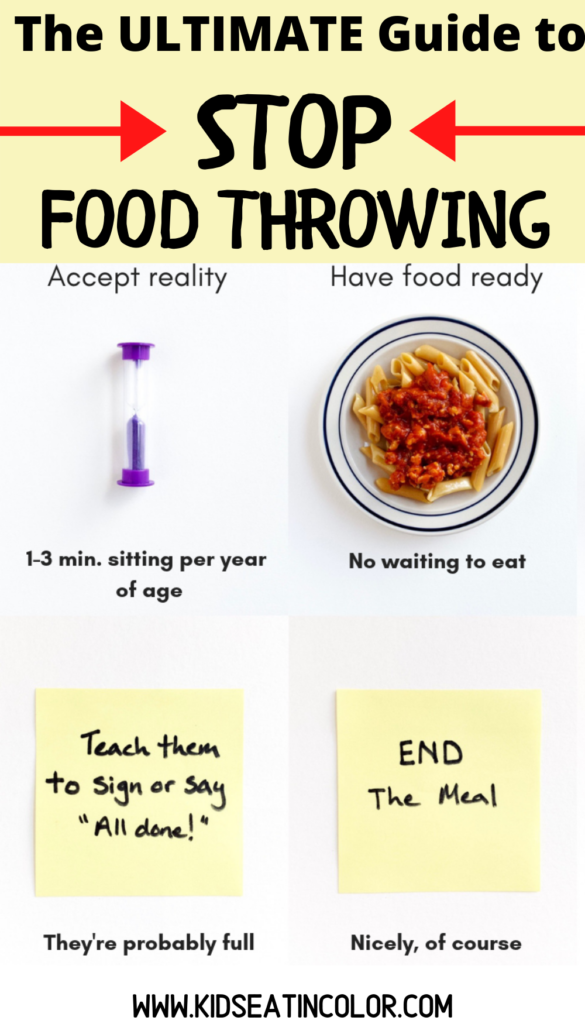
Credit: kidseatincolor.com

Credit: edicionescalyarena.com.mx
Frequently Asked Questions
Why Do Kids Throw Toys Frequently?
Kids throw toys to explore cause and effect. It’s a natural behavior linked to curiosity and seeking attention. Understanding this helps parents respond calmly and teach better ways to express feelings without throwing.
How Can I Stop My Child From Throwing Toys?
Set clear rules and explain consequences calmly. Offer alternative actions like gentle play or using words. Consistency and positive reinforcement help children learn acceptable behaviors quickly.
What Are Effective Consequences For Toy Throwing?
Remove the toy temporarily or end playtime briefly. Use time-outs or loss of privileges if needed. Consequences should be immediate, consistent, and explained clearly to encourage better choices.
Can Teaching Emotions Reduce Toy Throwing?
Yes, helping kids identify feelings decreases frustration and throwing. Teach simple words for emotions and model calm responses. Emotional awareness supports better self-control and communication.
Conclusion
Stopping kids from throwing toys takes patience and clear rules. Offer them gentle reminders about safe play. Praise good behavior to encourage more of it. Set limits and stay calm during playtime. Choose toys that are less likely to break or cause harm.
Remember, consistency helps children learn what is okay. Small steps lead to big changes over time. Keep trying, and soon toy throwing will happen less often.
