
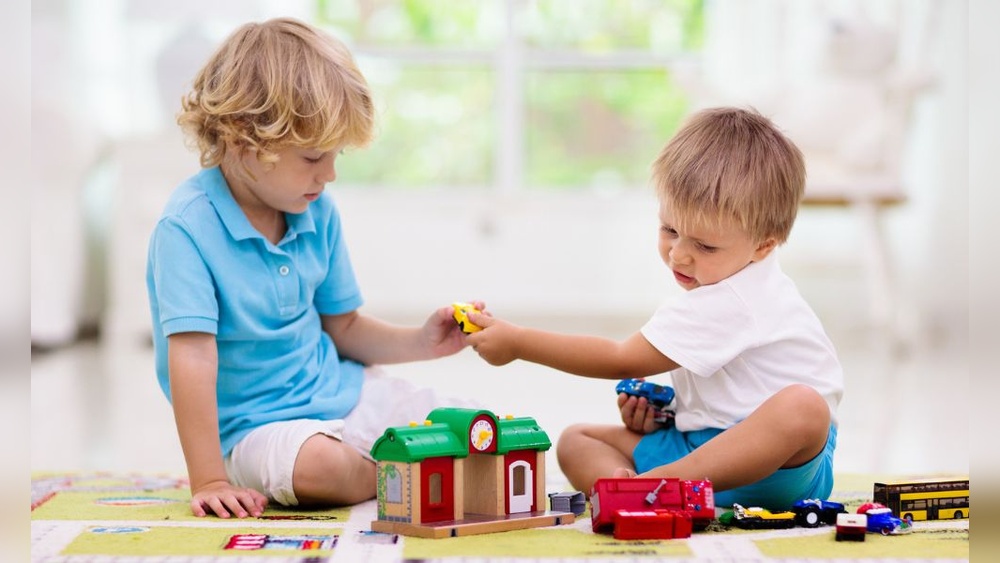
Getting kids to share toys can feel like a never-ending challenge. You want your children to learn kindness and cooperation, but it’s tough when they see their favorite toys as something only for themselves.
What if there was a simple way to encourage sharing without constant battles or tears? You’ll discover easy, practical tips that really work. By understanding a few key ideas, you can turn toy time into a chance for your kids to connect, play happily together, and build important social skills.
Keep reading, and you’ll find the secrets to making sharing a natural part of your family’s playtime.
Benefits Of Sharing
Sharing toys has many positive effects on children. It helps them grow in ways beyond just play. Kids who share learn important lessons that last a lifetime. These lessons help children in school, with friends, and at home. Understanding the benefits of sharing can guide parents and teachers in teaching this skill effectively.
Building Social Skills
Sharing toys teaches children how to interact with others. It encourages taking turns and waiting patiently. Kids learn to communicate their needs clearly. These social skills help children make and keep friends. Sharing helps children feel part of a group. It builds confidence in social settings.
Encouraging Empathy
Sharing helps kids understand other people’s feelings. They begin to see how others feel when they share or don’t share. This makes children more caring and kind. Empathy helps reduce selfish behavior. It encourages children to think about others before themselves.
Reducing Conflicts
When children share toys, fights happen less often. Sharing teaches patience and fairness. Kids learn to solve problems together. This lowers anger and frustration during playtime. Reducing conflicts creates a happier, calmer environment. Sharing makes playtime fun for everyone involved.
Setting Clear Rules
Setting clear rules helps kids understand what is expected during playtime. Rules guide children on how to share toys fairly. Clear rules reduce arguments and make sharing easier. Kids feel safer when they know the boundaries. It creates a calm and fun environment for all.
Establishing Sharing Guidelines
Start by explaining why sharing is important. Use simple words and examples they know. Set specific rules about how long each child can play with a toy. For example, “Each friend gets five minutes with the car.” Make sure kids understand the rules before play begins. Use charts or pictures to show the sharing steps. This helps kids remember the guidelines better.
Consistent Enforcement
Apply the rules every time kids play. Consistency teaches children that rules are serious. Gently remind them if they forget the sharing rules. Praise them when they share well. This builds good habits and encourages sharing. Avoid changing rules often to prevent confusion. Consistent rules help kids feel secure and fair.
Modeling Sharing Behavior
Children learn a lot by watching adults. Modeling sharing behavior helps kids understand how to share toys. When parents and caregivers share, children see the value of kindness and cooperation. This method builds a strong foundation for sharing habits.
Leading By Example
Parents can show sharing in daily life. Offering a snack to a child or sharing tools during a project sets a clear example. Saying phrases like “You can use this after me” teaches respect for others’ turn. Children notice actions more than words. Consistent sharing by adults encourages children to copy this behavior.
Involving Family Members
Sharing can become a family activity. Ask siblings to share toys and praise their efforts. Family games that require taking turns promote sharing naturally. Grandparents and cousins can join and model positive sharing too. This creates a supportive environment where children feel safe to share. The whole family helps reinforce good habits.

Credit: thecaliforniabeachco.com
Creating Sharing Opportunities
Creating opportunities for kids to share toys helps build kindness and cooperation. Sharing feels natural when children play together often. Parents and caregivers can set up moments that encourage sharing without pressure. These moments also teach important social skills in a gentle way.
Organizing Group Play
Group play invites kids to interact and share toys naturally. Gather a few children with different toys to play together. This setup lets kids explore how to take turns and share items. Supervising group play helps guide sharing and solve conflicts quickly. Group activities make sharing fun and part of the game.
Rotating Toys
Rotating toys keeps children interested and reduces possessiveness. Store some toys out of reach and switch them regularly. This rotation makes old toys feel new and exciting again. Kids learn to appreciate sharing since no toy is always theirs. It also teaches patience as they wait for their turn with different toys.
Using Positive Reinforcement
Using positive reinforcement helps children learn to share toys happily. It focuses on rewarding good behavior instead of punishing bad actions. This method encourages kids to repeat kind actions by showing them the benefits of sharing.
Positive reinforcement builds a supportive environment. It makes sharing feel good and natural. Children see sharing as a way to get attention and praise from adults. This motivates them to share more often.
Praising Sharing Moments
Praise is a simple but powerful tool. Compliment children right after they share toys. Say things like, “You did a great job sharing!” or “I like how kind you are.” This shows kids their good behavior matters.
Make praise specific. Focus on what they shared and how they shared it. This helps children understand exactly what behavior is good. It also boosts their confidence and desire to share again.
Reward Systems
Reward systems create clear goals for sharing. Use small rewards like stickers or extra playtime. These rewards act as incentives for children to share toys more often.
Keep the system simple and consistent. Explain the rules clearly. Give rewards soon after children share. This connection helps kids link sharing with positive outcomes.
Rewards should encourage sharing, not replace natural kindness. Praise and rewards together create strong motivation. Kids learn that sharing brings both joy and recognition.
Handling Sharing Conflicts
Handling sharing conflicts between kids can be challenging. Kids often want the same toy at the same time. This can lead to fights and tears. Teaching them how to handle these moments helps build patience and respect. It also makes playtime more fun for everyone.
Calm Intervention
Step in calmly when a conflict begins. Speak softly to avoid raising tension. Separate the kids briefly to cool down. Use simple words to explain fairness. Show that you understand their feelings. Guide them to take turns instead of forcing sharing.
Teaching Problem-solving
Help kids find solutions together. Ask questions like, “What can you do next?” Encourage ideas like swapping toys or playing together. Praise their efforts to solve problems. This builds their confidence and communication skills. Over time, kids learn to share without fighting.
Encouraging Communication
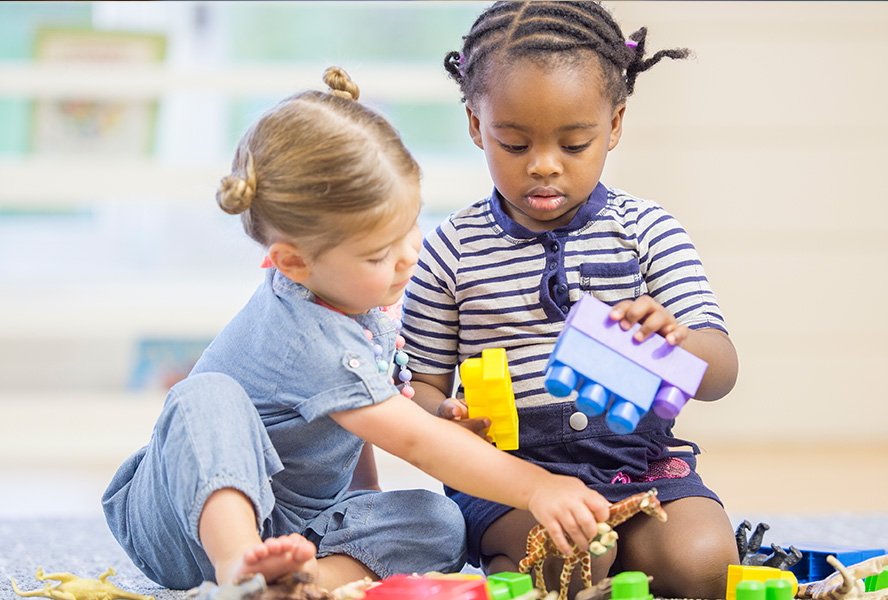
Encouraging communication plays a key role in helping kids share toys. Kids often struggle to express what they want or feel. Teaching them to talk about their feelings helps prevent fights. It also builds respect and understanding between children. When kids communicate well, sharing becomes easier and more natural.
Expressing Feelings
Start by teaching kids to say how they feel. Words like “happy,” “sad,” or “angry” help them explain their emotions. Encourage phrases such as “I feel upset because I want to play.” This teaches kids to share their feelings instead of acting out. It also helps others understand their point of view. Practice with simple sentences and praise their efforts.
Negotiating Turns
Show kids how to ask for turns using polite words. Teach phrases like “Can I have a turn next?” or “I will wait five minutes.” Help them understand the idea of taking turns fairly. Role-play situations where kids ask and answer politely. This makes sharing a positive experience. Kids learn patience and respect for others’ time with toys.
Credit: pathways.org
Adapting To Age Differences
Children of different ages share toys in very different ways. Younger kids may find it hard to share at all. Older children often understand sharing better but may have their own reasons not to. Knowing these differences helps you guide kids better. Adjust your approach based on each child’s age and skill.
Tailoring Expectations
Set clear but simple goals for sharing. Toddlers might only share for a short time. Preschoolers can take turns more easily. School-age kids can discuss sharing rules and fairness. Keep your expectations realistic. Praise small steps to encourage progress. Avoid pushing too hard, which can cause frustration.
Age-appropriate Strategies
Use toys that suit each child’s age. For toddlers, offer duplicate toys to reduce fights. Teach sharing through play, like passing a ball back and forth. With older kids, use timers or charts to track turns. Encourage conversations about feelings when sharing is hard. Show how sharing can create fun and new friendships.

Credit: www.bespokefamily.co.uk
Frequently Asked Questions
How Can I Encourage My Child To Share Toys?
Encourage sharing by modeling kindness and praising sharing behavior. Use clear, positive language to explain why sharing matters. Set up playdates to practice sharing and offer small rewards to motivate cooperation.
What Are Effective Ways To Teach Kids About Sharing?
Use role-playing games to demonstrate sharing benefits. Read books about sharing to children. Reinforce sharing with consistent praise and gentle reminders during playtime.
How Do I Handle Conflicts Over Toy Sharing?
Stay calm and listen to both children’s feelings. Use simple words to explain fairness. Encourage taking turns and suggest alternative toys to reduce conflict.
When Should I Intervene In Toy Sharing Disputes?
Intervene if children become aggressive or upset. Step in to guide sharing and teach problem-solving. Allow minor disagreements to encourage independence and social skills.
Conclusion
Teaching kids to share toys builds kindness and patience. Start with small steps and praise their efforts. Children learn best by watching adults share and care. Make sharing fun, not a rule or demand. Remember, practice and patience help habits grow strong.
Sharing creates happier playtimes and better friendships. Keep encouraging sharing every day, little by little. It helps kids grow into thoughtful, caring people. Small changes lead to big improvements over time. Sharing is a skill anyone can learn and enjoy.
