
Are you tired of cleaning your kids’ toys only to be left with strong, unpleasant smells? You want your children’s playthings to be fresh and safe without filling your home with harsh chemical odors.
The good news is, you don’t have to choose between cleanliness and comfort. You’ll discover simple, effective ways to clean toys without any strong smells. Keep reading to learn how to keep your child’s favorite items sparkling clean and smelling naturally fresh—making playtime safer and more enjoyable for everyone.
Choosing Mild Cleaning Agents
Choosing mild cleaning agents is key to keeping toys fresh and safe. Strong smells can bother children and may cause allergic reactions. Mild agents clean well without harsh odors or chemicals. They protect the toy’s material and your child’s health. Select cleaning products that are gentle yet effective for a worry-free clean.
Natural Ingredients To Use
Natural ingredients offer a safe way to clean toys. Vinegar is a great cleaner that cuts dirt and kills germs. Baking soda helps remove stains and neutralizes odors. Lemon juice works as a natural disinfectant and leaves a light scent. These ingredients are simple and easy to find. Use them diluted with water for gentle cleaning that avoids strong smells.
Avoiding Harsh Chemicals
Harsh chemicals can leave strong odors and damage toys. Avoid bleach, ammonia, and synthetic fragrances. These substances may irritate a child’s skin and breathing. Many store-bought cleaners contain these harsh elements. Always check labels and choose products labeled as mild or non-toxic. This keeps toys safe and free from unpleasant smells.

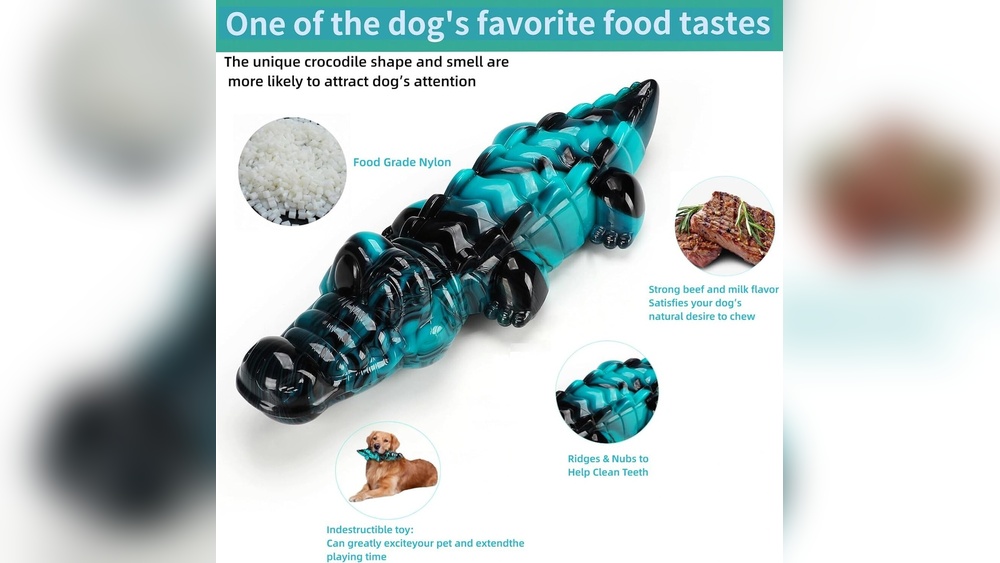
Credit: www.ebay.com
Effective Cleaning Techniques
Cleaning toys without strong smells helps keep children comfortable and safe. Effective cleaning techniques remove dirt and germs gently. These methods avoid harsh chemicals and overpowering scents. You can use simple, natural ways to clean toys well.
Here are some easy and safe ways to clean toys without strong odors. These techniques work for different types of toys and keep them fresh.
Washing With Warm Soapy Water
Warm soapy water is a classic and safe cleaning method. Use mild dish soap and warm water. Dip a cloth or sponge and scrub the toy surface. Focus on corners and crevices where dirt hides. Rinse the toy with clean water to remove soap. Let the toy air dry completely before giving it back to children.
Using Vinegar Solutions
Vinegar is a natural cleaner that kills germs without strong smells. Mix equal parts of white vinegar and water in a spray bottle. Spray the solution on the toy surface and wipe with a clean cloth. For tough spots, soak the toy in the solution for a few minutes. Rinse with water and dry well. Vinegar removes bacteria and leaves only a mild scent that fades fast.
Steam Cleaning Options
Steam cleaning uses hot steam to kill germs without chemicals. It works well for plastic and fabric toys. Use a handheld steam cleaner or steam from a kettle carefully. Move the steam over the toy surface slowly. Avoid soaking the toy with water. Let the toy dry in fresh air. Steam cleaning kills germs and keeps toys safe without any smell.
Drying And Storing Toys
Proper drying and storing of toys keep them clean and safe for children. Wet toys can breed bacteria and cause odors. Storing toys correctly protects them from dust and damage. Follow simple steps to dry and store toys without strong smells.
Air Drying Methods
Air drying is the best way to keep toys fresh. Lay toys flat on a clean towel in a well-ventilated area. Avoid direct sunlight to prevent fading or warping. Hang soft toys on a clothesline or hanger to dry evenly. Make sure toys are fully dry before storing. This stops mold and bad smells from forming.
Safe Storage Practices
Store toys in a cool, dry place to keep them fresh. Use breathable containers like mesh bags or bins with holes. Avoid airtight boxes that trap moisture and odors. Clean storage areas regularly to prevent dust buildup. Keep toys separated by type to avoid damage. Label storage containers for easy finding and organizing.
Cleaning Different Toy Materials
Cleaning toys requires different methods based on the material. Each type of toy needs a gentle approach. Strong smells can be unpleasant and harmful, especially for kids. Using mild, natural cleaners keeps toys safe and fresh. Understanding how to clean various materials helps maintain toys longer.
Plastic And Rubber Toys
Plastic and rubber toys can be wiped down with warm water and mild soap. Use a soft cloth or sponge to avoid scratches. Avoid harsh chemicals or bleach. Rinse toys well to remove soap residue. Let them air dry completely before giving back to children.
Fabric And Plush Toys
Fabric and plush toys need gentle care. Spot clean with a mild detergent and water mix. Use a soft brush or cloth to clean dirty spots. For machine-washable toys, use a gentle cycle in a pillowcase or laundry bag. Air dry or use low heat to keep softness.
Wooden Toys
Wooden toys require careful cleaning to prevent damage. Wipe with a damp cloth and mild soap. Avoid soaking or submerging in water. Dry immediately with a soft towel. Natural oils like olive oil can help keep wood smooth and shiny.
Maintaining Toy Hygiene Regularly
Keeping toys clean is important to protect children from germs. Regular hygiene helps reduce the risk of illness. It also keeps toys looking good and safe to use. A simple routine can make toy cleaning easier and less smelly. Small efforts daily prevent big messes later.
Routine Cleaning Schedule
Set a regular time to clean toys each week. This habit stops dirt from building up. Use mild soap and water to avoid strong smells. Wash soft toys in a gentle cycle or wipe hard toys with a damp cloth. Dry toys completely before storing them. Regular cleaning keeps toys fresh and safe.
Tips For Quick Spot Cleaning
Clean spills and stains as soon as possible. Use a soft cloth with warm water for quick cleaning. Avoid strong-smelling cleaners that can irritate children. For sticky spots, a little baking soda and water works well. Spot cleaning helps keep toys clean between full washes. It saves time and keeps toys ready to play.
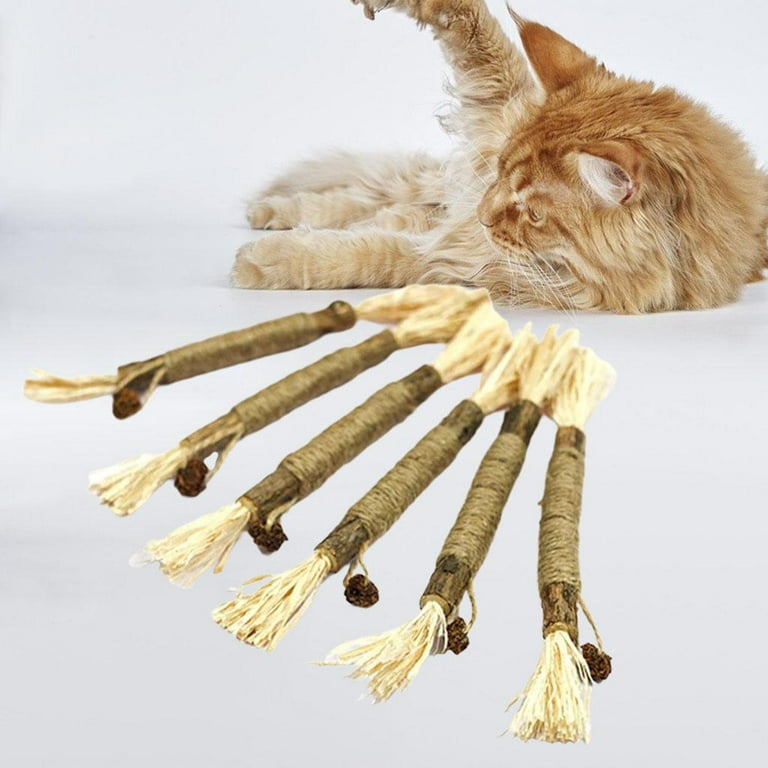
Credit: www.walmart.com

Credit: www.amazon.com
Frequently Asked Questions
How Can I Clean Toys Without Strong Chemical Smells?
Use mild soap and warm water to clean toys. Avoid harsh cleaners or bleach, which cause strong odors. Natural cleaners like vinegar or baking soda work well and leave no lingering smells.
What Natural Ingredients Remove Dirt Without Odors?
Vinegar, baking soda, and mild dish soap clean toys effectively. These ingredients remove grime gently and leave no strong smell, making them safe for children’s toys.
Are There Safe Sprays For Odor-free Toy Cleaning?
Yes, homemade sprays with water and essential oils like lavender or lemon clean toys naturally. These sprays disinfect without harsh chemical smells and keep toys fresh.
How Often Should Toys Be Cleaned To Prevent Odors?
Clean toys weekly or after heavy use to prevent buildup and odors. Regular cleaning stops bacteria growth, keeping toys safe and odor-free for children.
Conclusion
Cleaning toys without strong smells keeps playtime safe and fun. Use gentle, natural cleaners like vinegar or baking soda. Avoid harsh chemicals that irritate noses and skin. Regular cleaning stops germs and keeps toys fresh. Let toys dry completely before giving them back to children.
Simple steps make a big difference in toy hygiene. Your kids will enjoy clean toys without any unpleasant odors. Keep these easy tips in mind for a healthy play environment. Safe, fresh toys help children play happily every day.
